
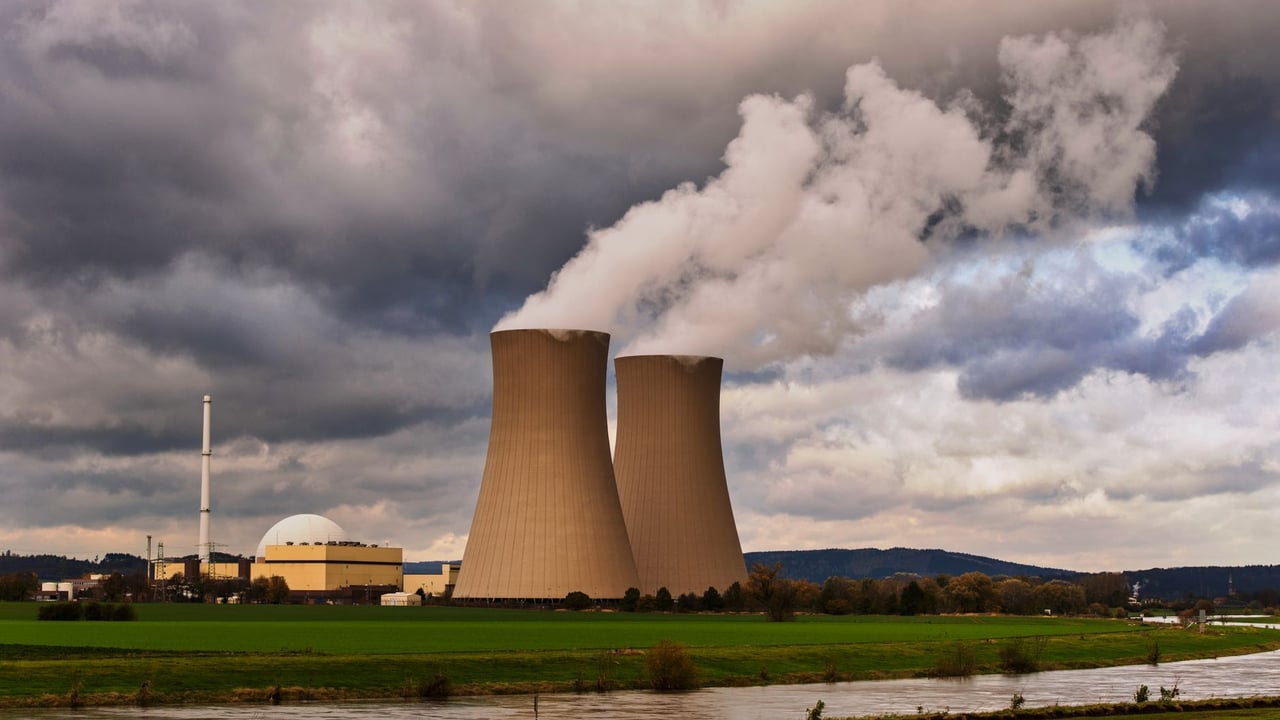

As a brutal heatwave grips the European continent, the infrastructure designed to provide reliable, low-carbon energy is ironically falling victim to the very climate change it is meant to mitigate. Axpo, the Swiss energy giant, announced the temporary suspension of operations at the Beznau nuclear power plant after the Aare River reached critical temperatures. The facility, which holds the title of the oldest active nuclear plant in Europe, was forced to idle its two reactors because the river water used for cooling hit 25 degrees Celsius.
This decision was not merely a matter of technical capacity but one of ecological preservation. Current regulations prohibit nuclear plants from discharging excessively warm water back into rivers when natural temperatures are already high, as the resulting thermal pollution could devastate local aquatic ecosystems. The shutdown comes as the nearby city of Basel recorded temperatures of 38.8 degrees Celsius, shattering 80-year-old records for the month of June and signaling a new normal for Swiss summers.
The energy implications for Switzerland are significant, as nuclear power provides approximately one-third of the nation’s total electricity generation. With the Beznau reactors—in service since 1969 and 1971—temporarily offline, the grid loses a critical baseload component during a period of high demand. Axpo has stated that operations will only resume once river temperatures subside and regulatory approval is granted, leaving the timeline for a restart dependent entirely on the weather.
This phenomenon is not localized to Switzerland. In neighboring France, the energy giant EDF has been forced to take similar measures, curtailing production or shutting down reactors to protect river life. Given that France relies on nuclear power for 70% of its electricity, these climate-induced interruptions pose a strategic challenge to European energy security. The trend highlights a growing vulnerability in traditional thermal power generation as rising global temperatures clash with the environmental limits of freshwater cooling systems.