
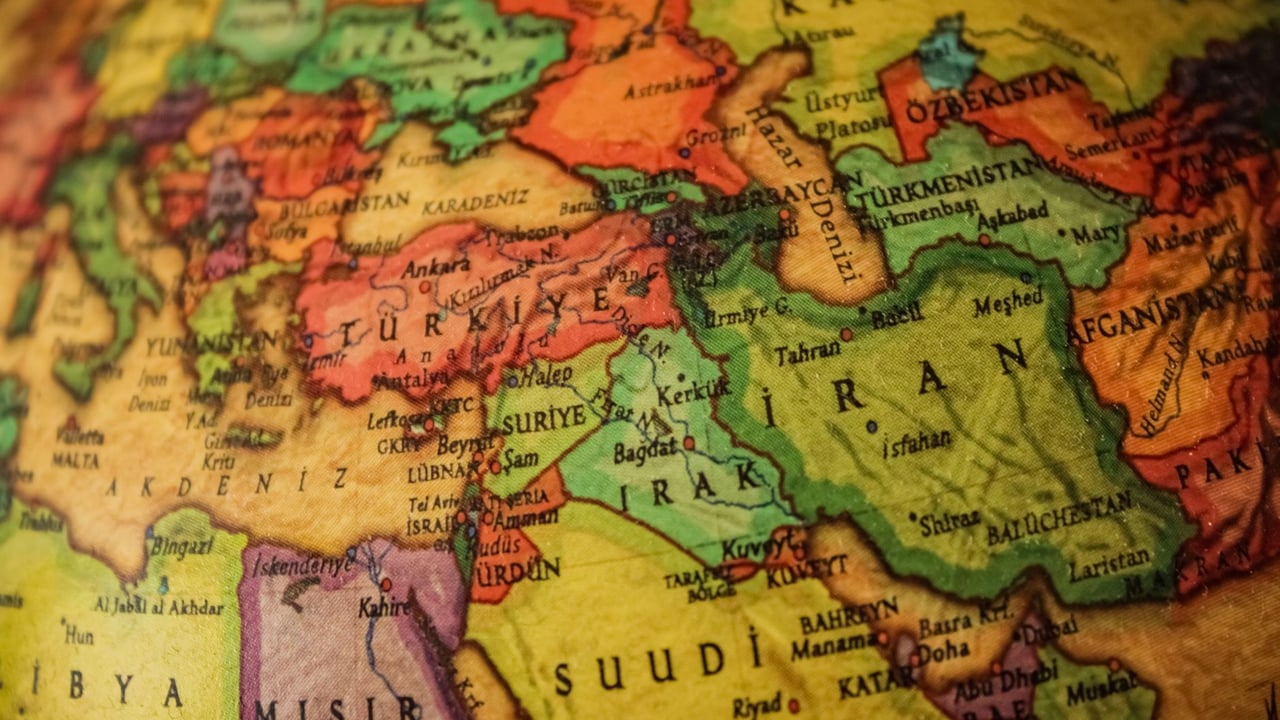

Tensions in the Persian Gulf have reached a volatile new peak following reports of a U.S. military strike in Iran’s strategic Sirik region. Ebrahim Azizi, chairman of the Iranian Parliament’s National Security and Foreign Policy Committee, condemned the action as a flagrant violation of an existing ceasefire and a memorandum of understanding between the two nations. The incident has cast a long shadow over what was previously thought to be a quiet diplomatic channel intended to de-escalate regional hostilities.
The timing of the strike is particularly sensitive, occurring as Washington and Tehran were purportedly engaged in active negotiations. Azizi’s remarks, shared via social media and state news agencies, underscore a deepening sense of betrayal in Tehran. The official asserted that President Donald Trump remains fundamentally incapable of adhering to the basic tenets of international diplomacy or the principles of cessation-of-hostility agreements, describing the U.S. behavior as reckless.
This latest escalation highlights the inherent friction in the "talk and strike" strategy that has come to define the administration’s approach to Middle Eastern geopolitics. By applying military pressure while maintaining a diplomatic facade, the United States appears to be attempting to coerce concessions through kinetic force. However, such tactics risk alienating the remaining pragmatists in Tehran and closing the window for a negotiated settlement regarding regional security or nuclear constraints.
For Tehran, the incident in Sirik is not merely a tactical breach but a strategic signal that past understandings no longer hold weight. Azizi’s warning that Iran will make the U.S. "regret" its actions suggests that a retaliatory cycle may be imminent. As both sides retreat into positions of mutual defiance, the prospect of a sustainable peace in the Strait of Hormuz appears increasingly remote, leaving international observers to brace for a renewed period of escalation.