Clear Skies for Commerce: US Military Shifts Assets from Israel's Main Civilian Hub

Israel and the United States have signed an agreement to relocate 50 U.S. military aircraft from Ben Gurion International Airport to military bases. The move aims to alleviate congestion at the country's main civilian airport while maintaining a 72-hour redeployment contingency for security emergencies.

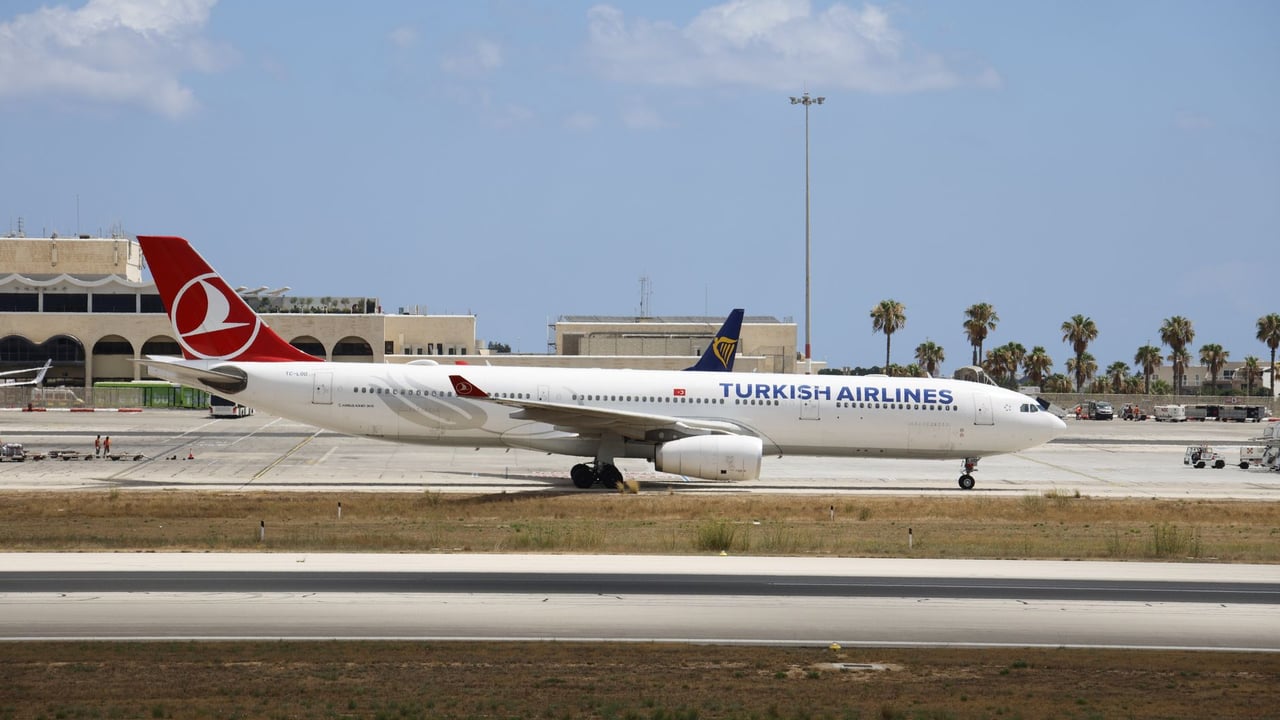
Turkish Airlines airplane taxiing on a sunny airport runway with clear skies.

Key Takeaways

  • 1A total of 50 U.S. military aircraft, including tankers and transports, will vacate Ben Gurion Airport.
  • 2The relocation process targets the moving of 30 aircraft to Israeli airbases by June 30, 2026.
  • 3The move follows Israeli dissatisfaction over the disruption of civilian flight operations and ground resources.
  • 4A contingency clause allows the U.S. military to return to Ben Gurion within 72 hours if security conditions escalate.

Editor's
Desk

Strategic Analysis

The decision to relocate U.S. air assets from Ben Gurion represents a delicate balancing act between national security and economic normalcy. While the presence of American tankers provided a visible security blanket during a period of heightened readiness, the sustained disruption to Israel's aviation sector became a domestic political and economic liability. By shifting these assets to dedicated military bases, both nations are signaling a transition away from an 'emergency' footing toward a more sustainable long-term military posture. The 72-hour return provision is the most critical strategic element, serving as both a deterrent and a safety net that ensures regional strike-support capabilities remain just hours away from the primary transport hub if needed.

China Daily Brief Editorial
Strategic Insight
China Daily Brief

The bustling terminals of Tel Aviv’s Ben Gurion International Airport are set to regain their civilian character following a new agreement between the Israeli Ministry of Transport and the United States military. For months, the presence of dozens of American tankers and transport aircraft has strained the capacity of Israel's primary gateway, creating a logistical bottleneck that rankled local officials and travelers alike.

Under the terms of the newly reached memorandum of understanding, the U.S. will begin an accelerated, phased withdrawal of its fleet from the commercial hub. By June 30, thirty aircraft will be relocated to designated Israeli Air Force bases, with the remaining twenty planes scheduled for departure shortly thereafter.

The friction stemmed from the persistent occupation of commercial parking bays and ground support resources by the heavy American fleet. These military assets, essential for regional refueling and transport operations, had effectively crowded out civil aviation, leading to significant delays and operational disruptions that the Israeli government could no longer ignore.

Despite the tactical relocation, the strategic bond between the two nations remains firm through a built-in contingency clause. The agreement stipulates that should the regional security landscape deteriorate, the U.S. military retains the right to redeploy its aircraft to Ben Gurion within a 72-hour window, ensuring rapid response capabilities are preserved.

Share Article

Related Articles

📰
No related articles found