
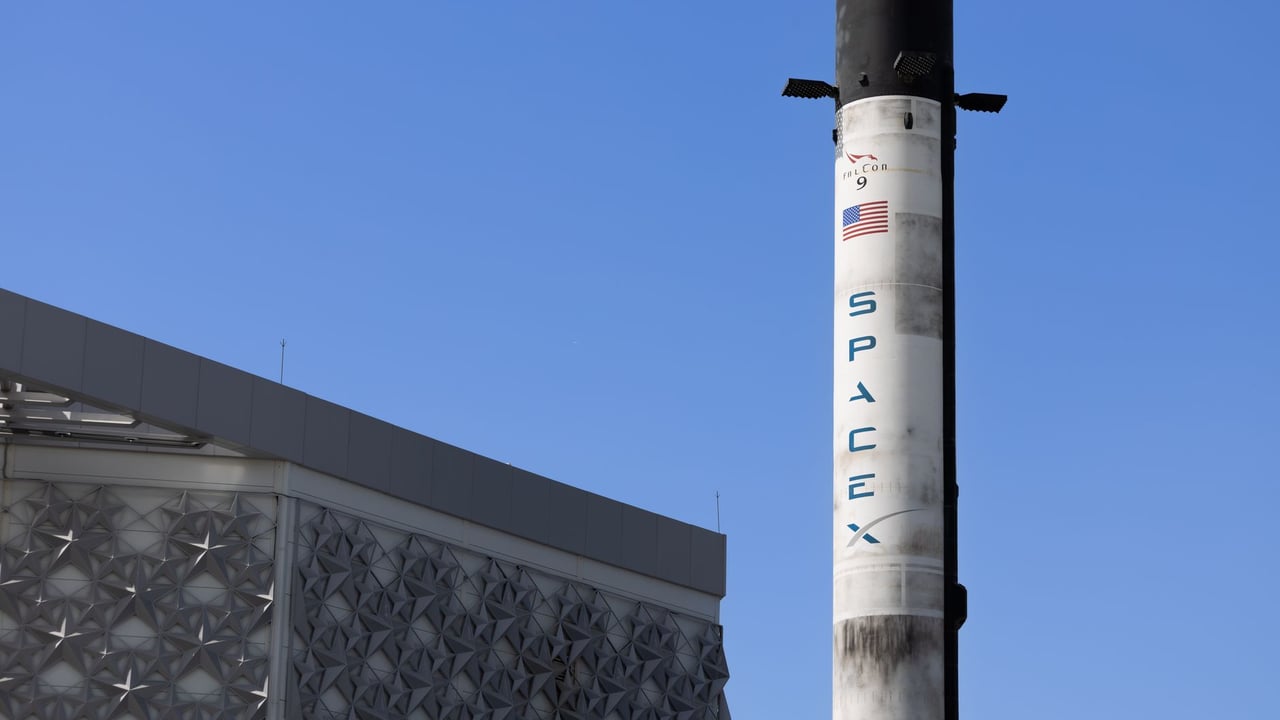

Elon Musk is aggressively expanding his vertically integrated AI empire, with SpaceX’s recent acquisition of Mesh Optical Technologies Corp serving as a critical tactical maneuver. Disclosures from the U.S. Federal Trade Commission confirm the deal, though financial specifics remain closely guarded. Mesh, founded by former SpaceX engineers, specializes in high-speed optical communication—the literal connective tissue required for a solar-system-wide data network.
At the heart of the acquisition is Mesh’s flagship Alpha C1 optical transceiver, capable of 1.6 terabits per second (Tbps) data transfer. This technology is engineered to optimize power efficiency and reliability for AI workloads, which are notoriously energy-intensive. By integrating this into the SpaceX ecosystem, Musk aims to solve the 'bottleneck' of terrestrial data centers, where power availability and cooling costs have become primary constraints on AI development.
Musk has recently confirmed that this strategy centers on 'Starmind,' a massive project involving the launch of up to one million AI computing satellites. These orbital nodes are intended to form a distributed processing cluster, utilizing space’s vacuum for cooling and solar energy for power. This pivot toward 'off-world' computing represents a radical attempt to decouple the growth of artificial intelligence from Earth’s limited electrical grids.
However, the strategy is meeting significant pushback from veteran tech luminaries, most notably SoftBank’s Masayoshi Son. Critics argue that while space offers free cooling and sunlight, the 'hardware-heavy' nature of AI means that chips and infrastructure account for over 90% of costs. Son maintains that the logistical expenses of launching and maintaining high-end hardware in orbit, combined with inevitable communication latency, will likely outweigh any savings in electricity.
Market reaction to SpaceX's pivot has been volatile, with the company’s valuation experiencing a 'rollercoaster' effect in secondary markets. As SpaceX moves toward a potential IPO, the success of Starmind will depend on whether optical communication can truly bridge the gap between orbital efficiency and terrestrial demand. For now, Musk is betting that the future of intelligence lies not on the ground, but in the light.