
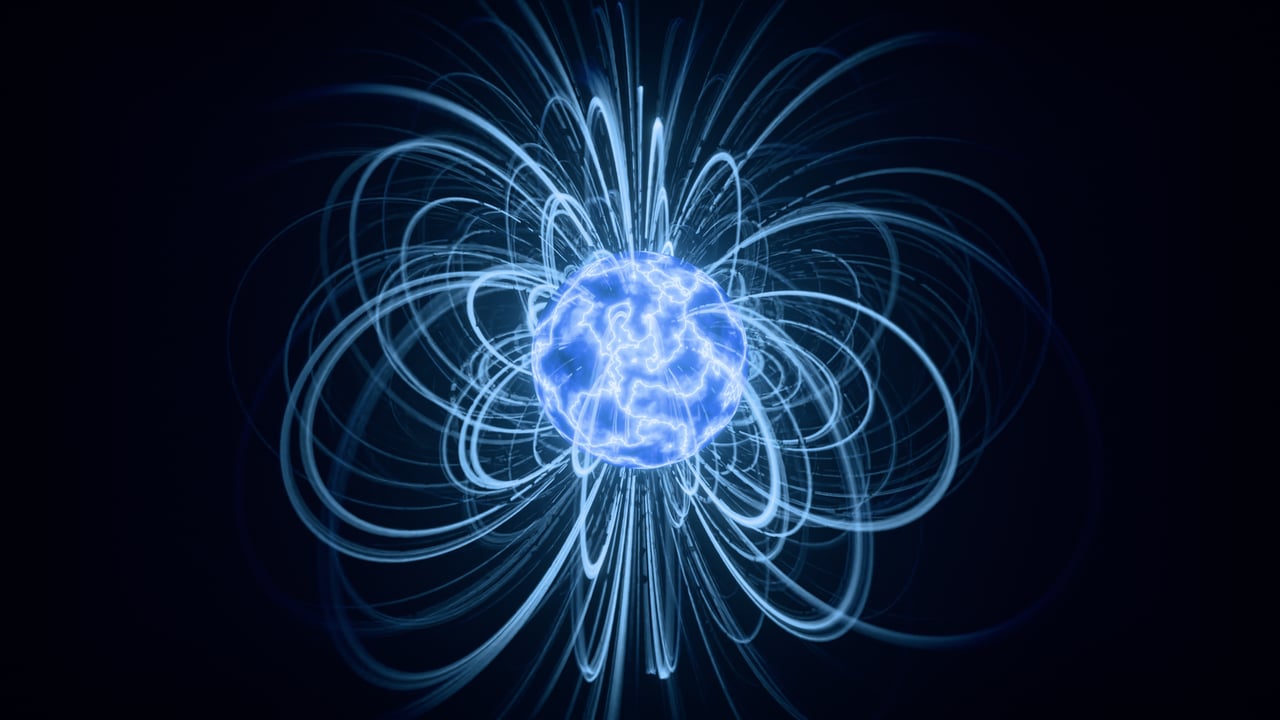

China has achieved a landmark milestone in its pursuit of clean energy as the world’s largest superconducting magnet, a critical component for nuclear fusion, officially passed its final inspection. This indigenous development represents a significant leap for the nation’s "artificial sun" program, aiming to replicate the nuclear processes of the sun to provide near-limitless, carbon-free power. The magnet is designed to create the intense magnetic fields required to confine plasma at temperatures exceeding 100 million degrees Celsius, a fundamental requirement for achieving sustained fusion.
The success of this project highlights China's growing mastery over the complex materials science and precision engineering required for Magnetic Confinement Fusion (MCF). Superconducting magnets act as the "magnetic bottle" that prevents volatile, ultra-hot plasma from touching and destroying the reactor walls. By developing the world’s largest and most powerful version of this technology domestically, Beijing is positioning itself as a primary architect of the next generation of global energy infrastructure.
This breakthrough is not merely a technical achievement but a strategic signal of China's shifting role in the international scientific community. While China remains a key contributor to the International Thermonuclear Experimental Reactor (ITER) project in France, this latest accomplishment underscores its parallel track of domestic innovation. The ability to manufacture such high-spec components independently reduces reliance on foreign supply chains and accelerates the timeline for China’s own fusion engineering test reactors.
As the global race for fusion energy intensifies, the implications for energy security and climate goals are profound. Fusion offers a solution to the intermittency of renewables like wind and solar, providing a steady baseline of power without the radioactive waste profile of traditional fission reactors. With this successful inspection, China moves one step closer to transitioning from experimental science to the engineering reality of a commercial fusion power plant.