
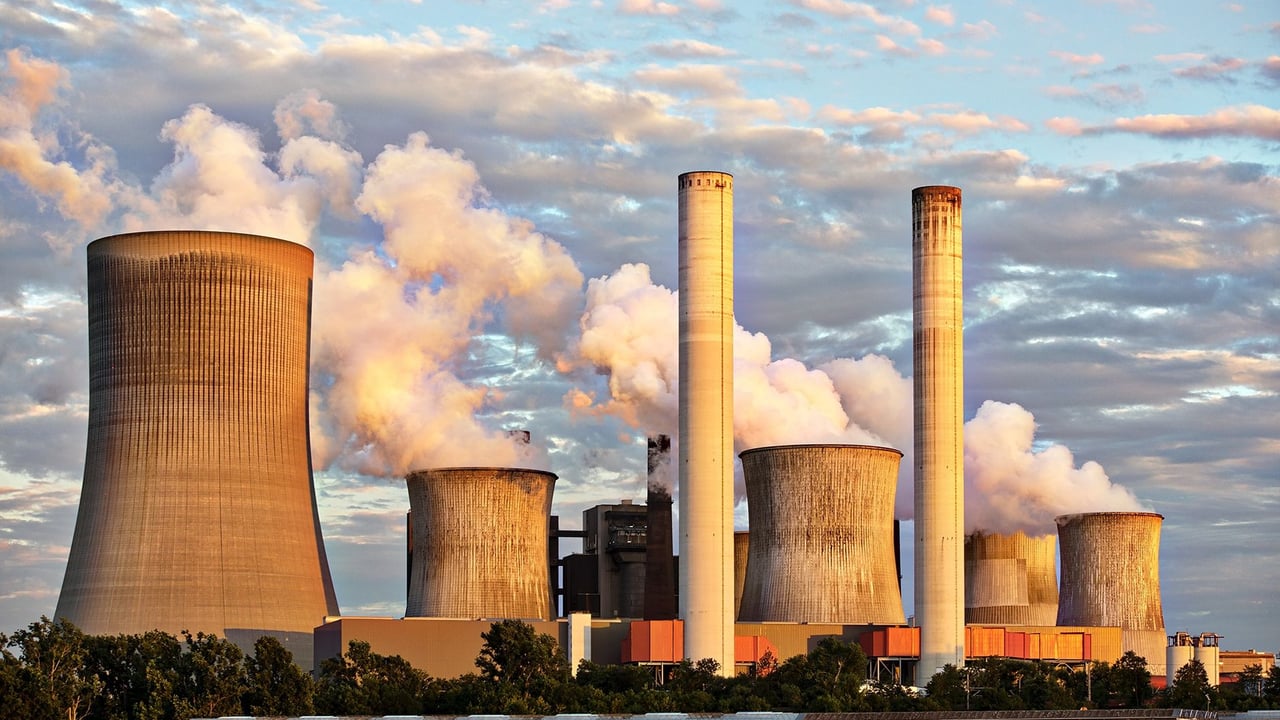

The intensifying heatwaves of the 2026 summer season have claimed an unlikely victim in Switzerland’s energy infrastructure. Axpo, the Swiss energy utility, announced on June 26 that it has suspended operations at the Beznau nuclear power plant. This facility, nestled in northern Switzerland, holds the distinction of being the oldest active nuclear power plant in Europe, having served the region for over half a century.
The shutdown was not triggered by mechanical failure or safety breaches, but by the Aare River. The river’s water, which is critical for cooling the plant's reactors, reached temperatures too high to safely absorb the thermal discharge from the facility. Continuing operations would not only jeopardize the plant’s cooling efficiency but would also inflict severe ecological damage on the river’s aquatic life by further elevating water temperatures.
This incident highlights a growing paradox in the global energy transition. While nuclear power is frequently championed as a stable, carbon-free alternative to fossil fuels, it remains tethered to the environment it seeks to protect. Thermal power plants, whether nuclear or coal-fired, require massive quantities of cool water, a resource that is becoming increasingly scarce and dangerously warm during the height of European summers.
Beznau’s forced hiatus is more than a local energy concern; it is a signal of the systemic vulnerability facing aging European infrastructure. As climate change shifts from a future threat to a present reality, the reliability of legacy energy assets is being called into question. Energy regulators across the continent are now forced to weigh the immediate needs of the power grid against the long-term ecological consequences of a warming planet.