

In 1961, President Dwight D. Eisenhower famously warned that a burgeoning military-industrial complex threatened to seep into every corner of American life, potentially compromising the nation's democratic foundations. Sixty-five years later, that 'monster' has not vanished; it has merely evolved, trading its Cold War-era steel for the sophisticated algorithms of artificial intelligence and the aggressive financial backing of Wall Street.
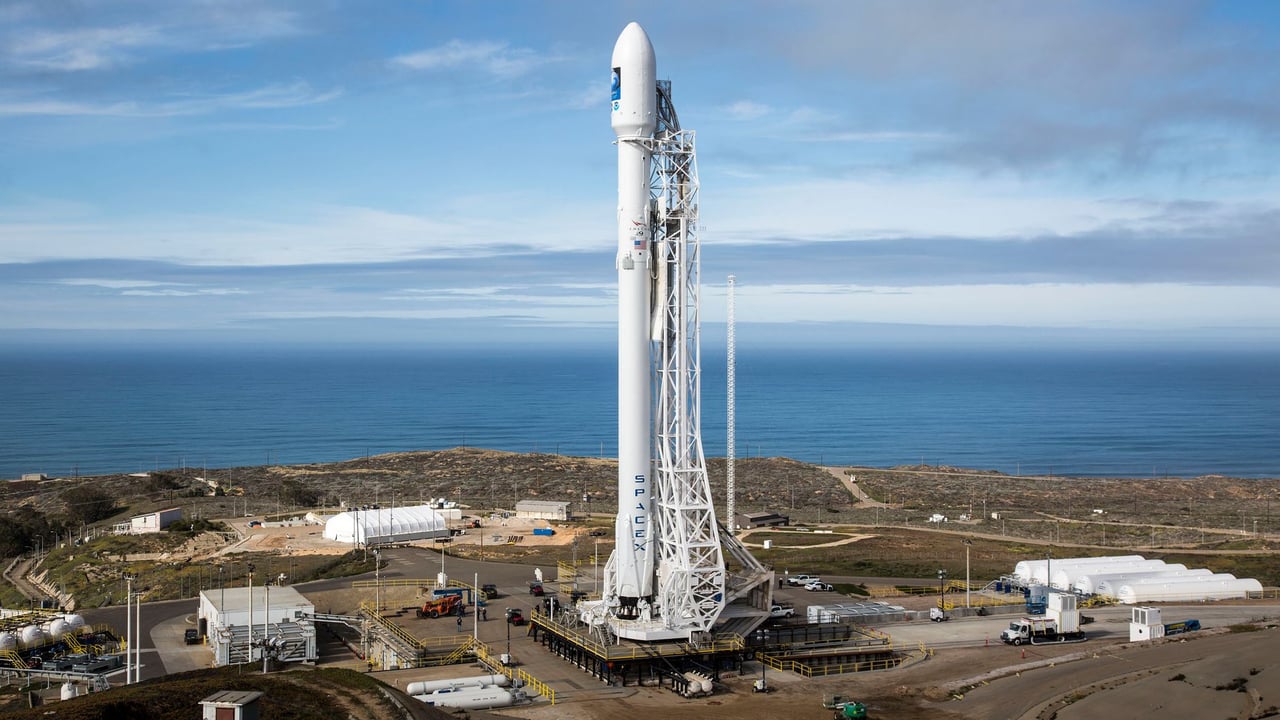
On June 12, 2026, this metamorphosis reached a historic milestone. SpaceX, the aerospace giant founded by Elon Musk, debuted on the Nasdaq under the ticker 'SPCX' in the largest IPO in American history, with its market value quickly eclipsing $2.1 trillion. This event did more than just crown Musk as the world's first trillionaire; it solidified a new 'trinity' of American power: the seamless integration of Silicon Valley, Wall Street, and the Pentagon.
Unlike traditional defense contractors who rely on decades-long development cycles and bureaucratic procurement, this new generation of 'war-tech' firms is fueled by venture capital and defined by software. SpaceX’s Starlink network, which now boasts over 8 million users across 150 countries, has transitioned from a commercial 'cash cow' into the invisible nervous system of the U.S. military. Its strategic utility has been proven on modern battlefields, from orchestrating drone strikes in Ukraine to guiding munitions in the Middle East.
Beyond SpaceX, companies like Palantir and Anduril Industries are rewriting the rules of engagement. Palantir has effectively become the 'digital backbone' of the U.S. Army, with its Maven AI system compressing the 'kill chain'—the time between identifying a target and delivering a strike—from hours to seconds. Meanwhile, Anduril is challenging traditional giants like Boeing by using autonomous systems and high-speed production lines to mass-produce low-cost attrition drones and underwater vehicles.
This shift is supported by a systemic fusion of capital and policy. By 2025, private venture investment in military technology surpassed traditional government research and development funding for the first time. This transition marks a fundamental change in the engine of innovation, moving from a slow-moving government-led model to a fast-paced, market-driven ecosystem where the promise of astronomical IPOs draws the brightest minds in tech toward defense work.
However, this high-tech armor has significant chinks. The astronomical valuations of these firms—with Palantir trading at price-to-earnings multiples exceeding 170—suggest a massive bubble that could burst if military results fail to meet financial expectations. Furthermore, the reliance on AI has already shown flaws, with 'hallucinating' systems misidentifying civilian infrastructure as military targets, raising profound ethical and strategic concerns about the future of automated warfare.