
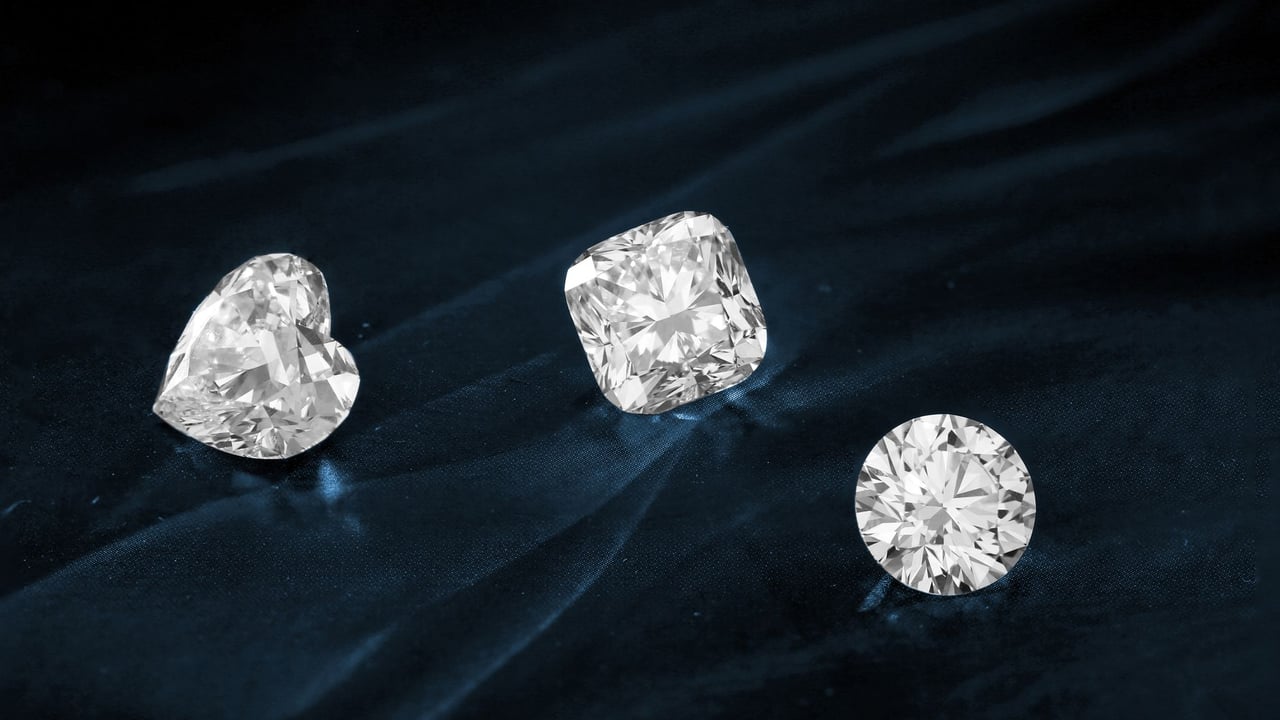

For nearly a century, the diamond industry rested on a carefully curated myth of scarcity, anchored by the De Beers slogan that a diamond is forever. That myth is currently shattering as global diamond prices have plummeted by more than 50% over the last two years. While legacy miners struggle with bloated inventories exceeding $14 billion, a new manufacturing powerhouse in rural China is rewriting the rules of the engagement ring market.
Zhecheng, a small county in China's Henan province, has emerged as the unlikely epicenter of this disruption. Once an agrarian backwater, it now produces approximately 22 million carats of lab-grown diamonds (LGD) annually. By creating a closed-loop supply chain that handles everything from raw synthesis to precision cutting within a 20-kilometer radius, Zhecheng has turned a luxury item into a high-tech commodity.
The impact on Western markets is profound and measurable. In the United States, Chinese-produced lab-grown diamonds now account for 61% of the engagement ring market, a staggering 239% increase over just five years. For the modern consumer, the decision is increasingly driven by a pragmatic calculation of value rather than the romanticized allure of geological age.
Recent market data reveals a telling shift in consumer behavior. While the average spend on an engagement ring in the U.S. has dipped to $4,600, the average stone size has actually increased from 1.7 to 1.9 carats. Consumers are realizing that the same budget that buys a modest 0.3-carat natural stone from a legacy brand can secure a 1-carat, top-tier D-color, VVS1-clarity lab-grown diamond from a domestic Chinese producer.
Emerging brands like Zheguang are leading this charge by focusing on 'customization and parameters' over traditional storytelling. By offering diamonds that are chemically and optically identical to mined stones at less than a quarter of the price, they allow young couples to reallocate their savings. The money once reserved for a brand-name markup is now being spent on home down payments, travel, or the wedding experience itself.
This shift represents a broader democratization of luxury and a rejection of artificial scarcity. Young buyers are increasingly literate in the '4Cs'—carat, color, clarity, and cut—and are unwilling to pay a premium for a history they feel is manufactured by marketing departments. As technology continues to lower the barrier to entry, the diamond is being redefined from an investment asset to a personal aesthetic choice.