The Gilded Correction: Gold’s Volatility Rattles Shenzhen’s Wholesale Hub while Consumers Pivot to 'Joy'

A sharp downturn in international gold prices has caused significant losses for major Chinese wholesalers while sparking a retail shift toward jewelry trade-ins and lifestyle-driven purchases. In Shenzhen's gold hub, merchants are grappling with shrinking asset values even as retail foot traffic remains resilient due to a maturing consumer preference for 'hedonic' gold consumption.

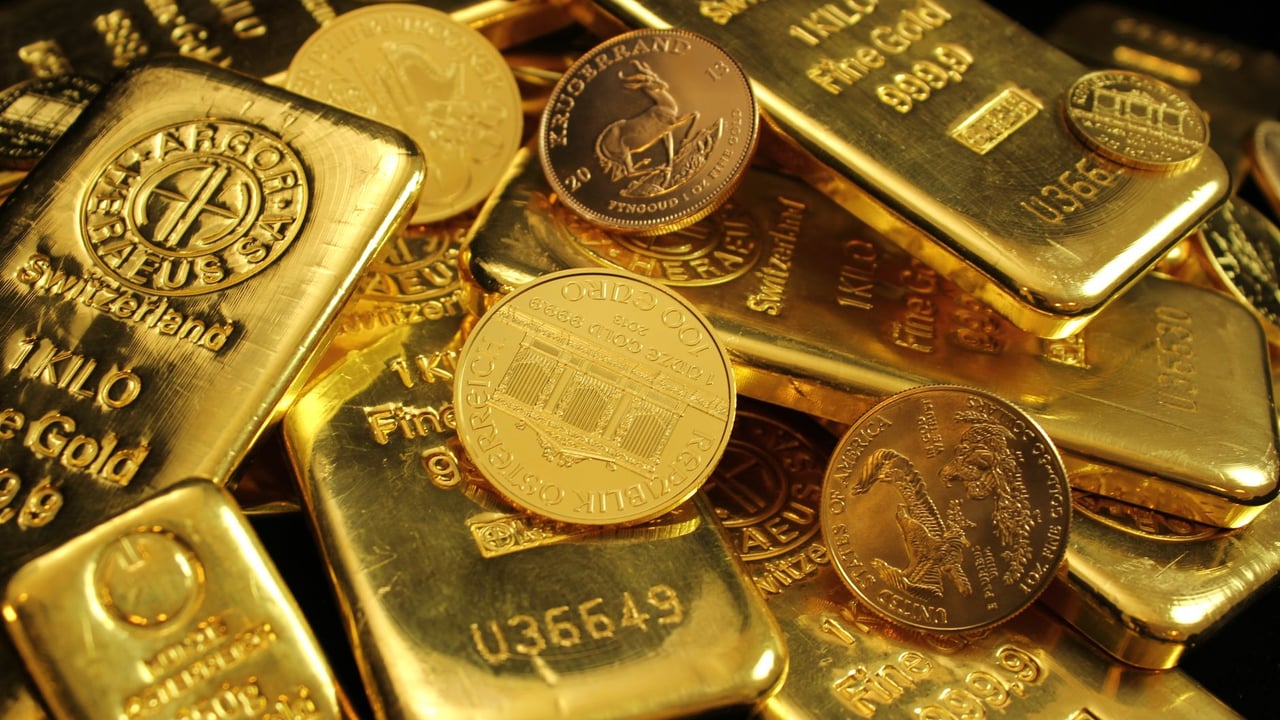
Detailed close-up of gold bars and coins, symbolizing wealth and investment. Perfect for financial imagery.

Key Takeaways

  • 1London gold prices dropped over $1,500 from their annual highs, testing the $4,000 psychological support level.
  • 2Wholesale merchants in Shenzhen's Shuibei market report millions of yuan in losses due to inventory devaluation.
  • 3Retail consumers are leveraging high buyback prices to trade in old gold (purchased as low as 80 RMB/g) for new jewelry.
  • 4A psychological shift is occurring where 'personal enjoyment' is becoming a stronger driver for gold purchases than speculative investment.
  • 5Central banks continue to increase gold reserves, providing a long-term macro floor despite short-term market volatility.

Editor's
Desk

Strategic Analysis

The current volatility in the Chinese gold market serves as a bellwether for a broader shift in middle-class consumption. The 'Maybach-sized' losses reported by Shuibei merchants reveal the vulnerability of the traditional wholesale model in an era of extreme commodity price swings. However, the resilience of retail demand—driven by trade-ins and DIY customization—suggests that gold is transitioning from a sterile financial hedge into a versatile cultural asset. This 'lifestyle-hedging' behavior suggests that while the speculative fever may cool, the structural demand for gold in China remains robust, anchored by a unique blend of risk aversion and burgeoning aesthetic consumerism.

China Daily Brief Editorial
Strategic Insight
China Daily Brief

The international gold market is currently weathering a punishing correction, with spot prices in London retreating sharply from their historic peaks. In late June, prices fell from a high of $5,598 per ounce to approximately $4,050 per ounce, marking a significant erosion of the premium built up earlier in the year. This volatility has sent shockwaves through the global bullion trade, particularly as silver prices simultaneously underwent a near 50 percent 'halving' from their annual highs.

In Shenzhen’s Shuibei district, the central nervous system of China’s gold distribution network, the mood is one of stark contradiction. While the trade halls remain crowded with wholesale buyers and bargain hunters, the underlying financial strain on merchants is becoming visible. Many wholesalers who maintained large inventories during the price surge are now facing massive paper losses, with some reporting that their assets have shrunk by the equivalent of a luxury Maybach in just one month.

Despite the merchant-side pain, the price drop has catalyzed a specific type of retail demand focused on utility rather than speculation. At major shopping centers like Wushang MALL, the traditional 'buy on the way up' mentality is being replaced by a surge in trade-in services and DIY jewelry customization. Customers are increasingly liquidating older gold holdings purchased years ago to subsidize the cost of modern, high-craftsmanship pieces for the next generation.

This shift highlights a fundamental transformation in Chinese consumer psychology regarding precious metals. Industry insiders note that the 'self-pleasure' attribute of gold consumption is beginning to outweigh its role as a pure investment vehicle. Even as professional investors remain on the sidelines waiting for a floor, younger consumers are treating gold as a lifestyle accessory, prioritizing aesthetic value and personal satisfaction over the daily fluctuations of the spot price.

Share Article

Related Articles

📰
No related articles found