
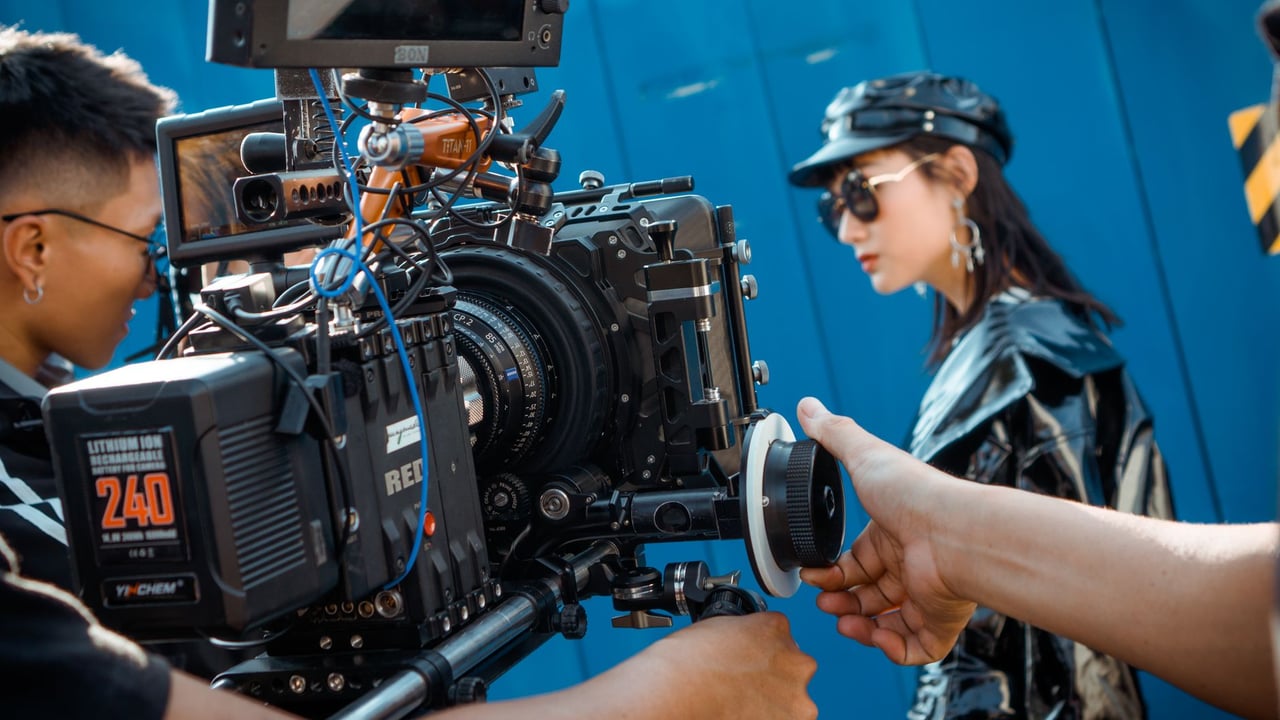

The recently concluded Shanghai International Film Festival and Shanghai Television Festival have signaled a tectonic shift in the Asian entertainment landscape. The traditional film set, typically swarming with dozens of specialists ranging from lighting directors to editors, is being challenged by the 'AI Super-Creator.' These individuals, often working solo, utilize generative models to compress production timelines from days of physical shooting into mere hours of digital generation.
In this new paradigm, the demarcation between departments is dissolving as artificial intelligence allows a single operator to helm the entire creative pipeline. Platform-designated super-creators are now enjoying priority access to computing power and resources, effectively becoming miniature studios. This evolution is transforming industry definitions of value, moving away from manual labor toward what insiders call 'Skill as an Asset.'
For these creators, the competitive edge no longer lies in simply knowing how to use a tool, but in the proprietary data and methodologies they build. This includes 'directing methods' and 'screenwriting logic' that are structured into reusable prompt libraries and knowledge bases. As AI capabilities become commodified, the industry’s high ground is shifting toward those who can maintain stylistic consistency and narrative depth across long-form content.
Major tech players are racing to provide the underlying infrastructure for this shift. Kuaishou’s Kling AI and MiniMax’s Hub are moving beyond simple video generation to offer integrated 'Agent' workstations that manage the entire workflow. Meanwhile, giants like Tencent are aggressively deploying tools like 'WorkRally' to serve professional animation and drama sectors, aiming to democratize high-end production for thousands of smaller creative agencies.
Despite the enthusiasm, a debate persists regarding the artistic soul of AI-generated content. Industry veterans argue that while AI is perfect for the high-volume, lightweight entertainment of short-form dramas and digital comics, it still lacks the unique emotional intentionality required for world-class cinema. However, the consensus is shifting: AI is not merely a 'cheap replacement' for human crews, but a medium that will eventually empower millions of people to create with the sophistication of a professional studio.