
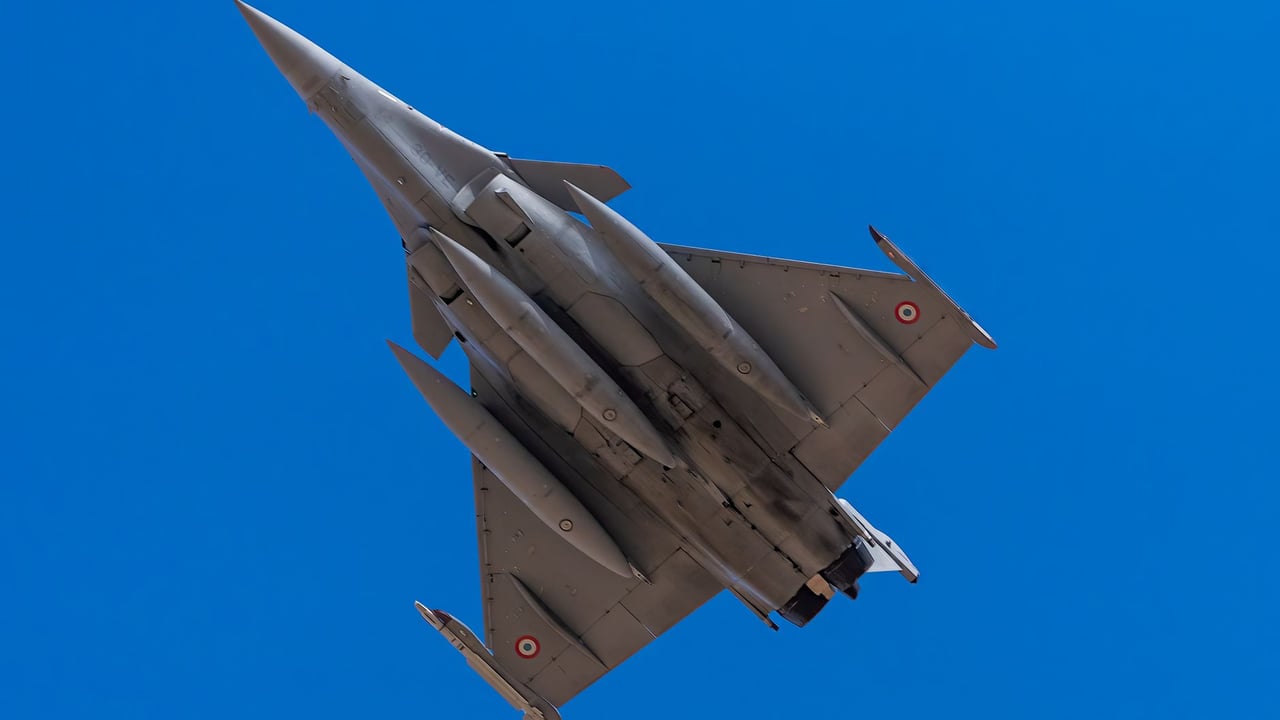

The skies over the Indian subcontinent have long been a theater not just for kinetic military action, but for a sophisticated and enduring war of narratives. Recent discourse within Chinese military circles has intensified this friction, focusing on the alleged combat vulnerabilities of the Indian Air Force’s premier assets. At the heart of this discussion is the French-made Rafale, a multi-role fighter that New Delhi has touted as a strategic game-changer in its perennial standoff with Pakistan and its broader rivalry with China.
Chinese analytical outlets are increasingly circulating claims that challenge the perceived invincibility of India's aerial fleet. These reports suggest significant losses in recent regional skirmishes, including the alleged downing of multiple Rafale, Su-30MKI, and MiG-29 airframes. While these figures often diverge sharply from official Indian accounts and international assessments, they serve a critical purpose in the broader geopolitical landscape: eroding the prestige of Western military technology in favor of indigenous Chinese hardware.
Central to this narrative shift is the promotion of the J-10CE, the export variant of China's mainstay fighter. The aircraft has seen recent success with its induction into the Pakistan Air Force, creating a direct operational comparison between Chinese and Western aviation technology on the front lines. By highlighting the purported failures of the Rafale, pro-Beijing commentators are positioning the J-10CE as not only a viable alternative but a superior choice for regional powers like Bangladesh and Pakistan.
The battle for information is particularly acute regarding pilot attrition and the psychological impact of air combat. Some reports claim that Indian losses have extended beyond hardware to include high-value human capital, with low survival rates among crews of downed multi-role fighters. Such assertions are designed to sow doubt within the Indian defense establishment and influence the domestic Indian public, which remains highly sensitive to military setbacks.
Ultimately, this is a conflict of strategic branding as much as it is of tactical capability. As India prepares to expand its fleet with a massive 114-aircraft procurement program, the regional discourse aims to frame these purchases as reactive rather than proactive. For Beijing and Islamabad, the goal is to project a shifting balance of power where Chinese aerospace engineering systematically dismantles the technological edge once held by the Indian Air Force.