

China’s automotive sector is undergoing its most significant regulatory overhaul in two decades, signaling a shift from rapid expansion toward a focus on uncompromising safety and technical maturation. Effective July 1, 2026, new national standards for side-impact protection will significantly raise the threshold for vehicle structural integrity. In a move that reflects the increasing weight and power of modern electric vehicles, the test sled mass for side-impact collisions has been increased from 950 kilograms to 1,400 kilograms, mirroring the realities of modern road traffic.
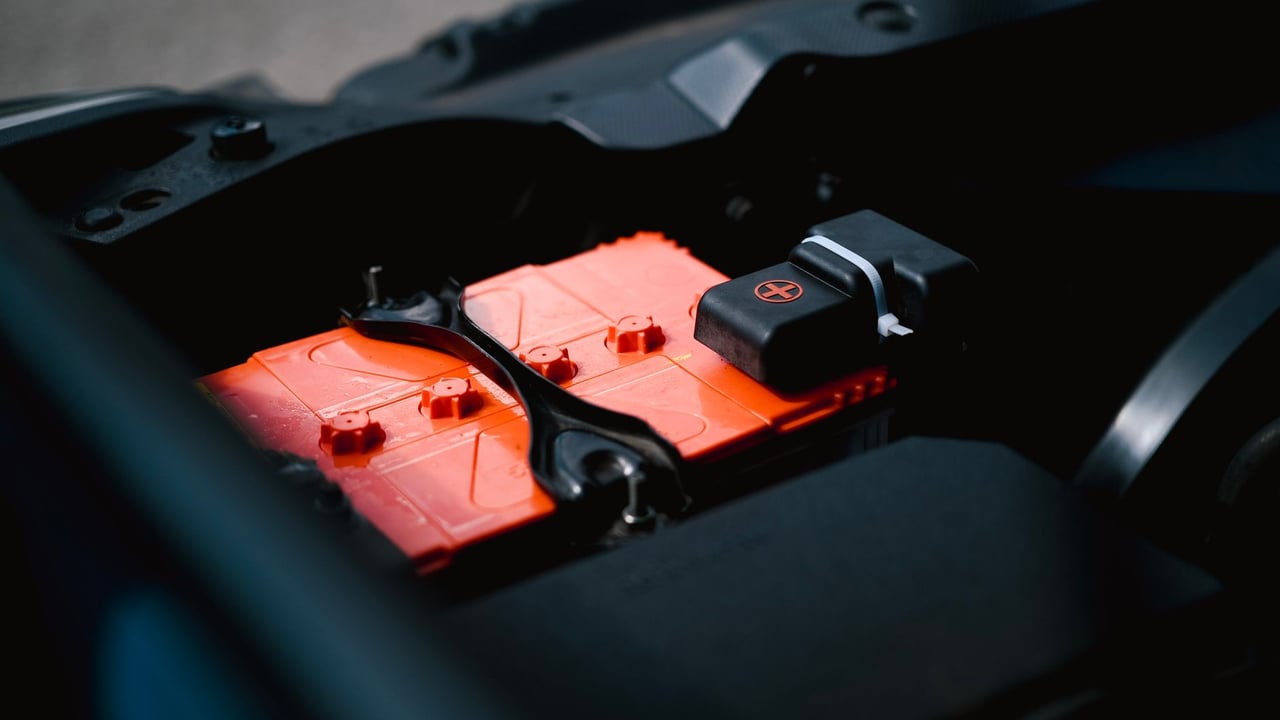
Beyond structural resilience, the updated regulations target the Achilles' heel of the electric vehicle (EV) industry: battery stability. New mandatory requirements for power batteries now dictate that thermal runaway must result in 'no fire and no explosion,' a stringent upgrade from previous mitigation-based rules. Furthermore, the standards now mandate a physical 'one-key power-off' mechanism, replacing software-dependent systems to ensure that emergency shutdowns remain functional even during catastrophic electronic failures.
While technical standards are being tightened in the factory, ideological boundaries are being reinforced online. ByteDance’s Douyin has issued a permanent ban against a prominent agricultural influencer with over two million followers for disparaging the legacy of the late Yuan Longping. The influencer had allegedly characterized hybrid rice technology—the cornerstone of China's food security—as 'abnormal' and 'sickly,' triggering a swift response from platform moderators and state-aligned media outlets.
This enforcement action underscores the sensitive intersection of scientific legacy and national stability in the Chinese digital sphere. Yuan Longping, often revered as the 'Father of Hybrid Rice,' represents more than just a scientific figure; he is a symbol of China’s self-reliance in the face of global food volatility. By silencing those who question the foundations of modern breeding technology, the state is reasserting that certain pillars of national achievement remain beyond the reach of the 'influencer economy.'