Silent Predators: Japan’s Shift to Offensive Undersea Drones Signals the End of ‘Exclusive Defense’

Japan is developing long-range, offensive unmanned submarines to address maritime security challenges and domestic labor shortages. While presented as a defensive measure, the move is interpreted by regional analysts as a pivot toward offensive capabilities and deeper integration with U.S.-led security frameworks like AUKUS.

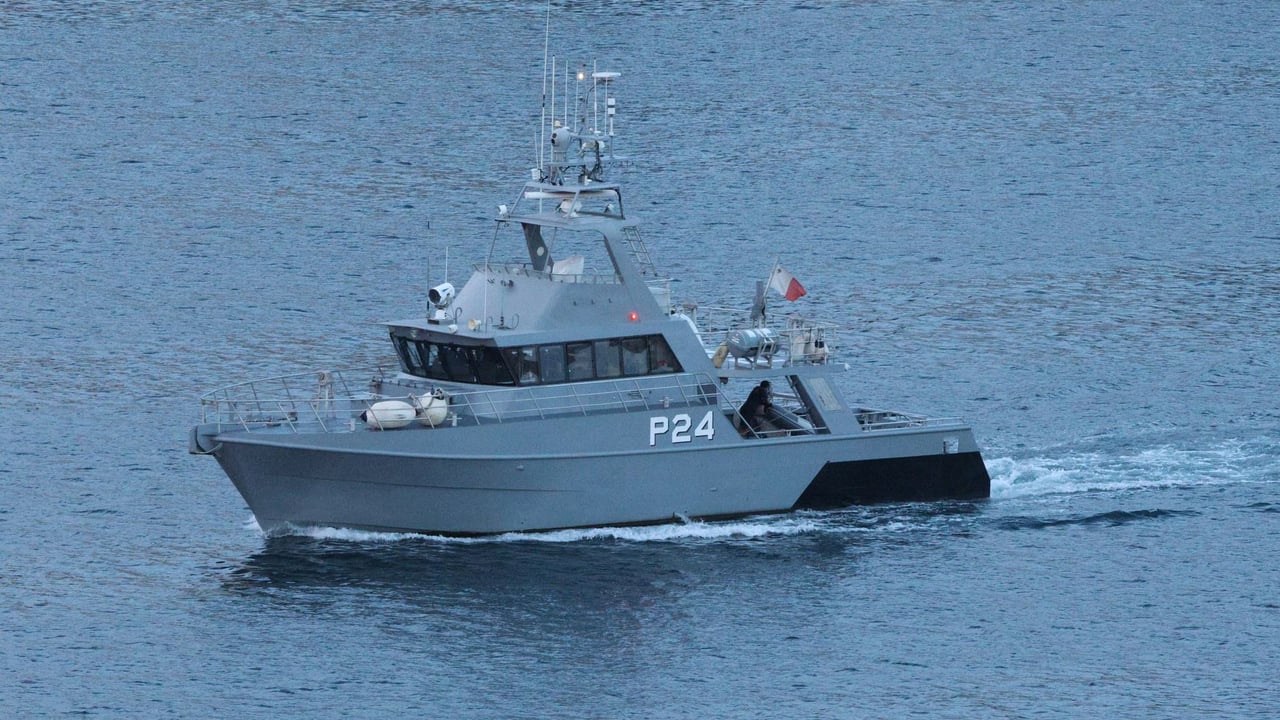
Military patrol boat cruising through ocean waters.

Key Takeaways

  • 1Japan is researching Large Unmanned Underwater Vehicles (LUUVs) capable of carrying torpedoes and sea mines.
  • 2The push for autonomous platforms is a strategic response to recruitment shortages caused by Japan's demographic decline.
  • 3Development is likely to involve technology sharing under the AUKUS Pillar II framework with the US and Australia.
  • 4Chinese military analysts claim these drones violate Japan's 'Peace Constitution' by enabling offensive underwater strikes.
  • 5The deployment of these systems could significantly alter the military balance and maritime security in the Western Pacific.

Editor's
Desk

Strategic Analysis

Japan’s shift toward offensive unmanned underwater platforms represents a technological workaround for its long-standing constitutional constraints. By deploying high-end autonomous systems, Tokyo can project power far from its shores without the political risk or personnel costs associated with traditional naval expansion. This move essentially ensures that the 'Exclusive Defense' policy exists in name only, as the line between defensive surveillance and offensive strike capability blurs in the deep ocean. For the region, it heralds a new era of undersea 'gray zone' competition where unmanned assets increase the risk of miscalculation and complicate traditional deterrence models.

China Daily Brief Editorial
Strategic Insight
China Daily Brief

Japan’s recent move to acquire large unmanned underwater vehicles (LUUVs) marks a significant departure from its historical maritime posture. While Tokyo frames the procurement as a necessary step for Pacific defense, the offensive capabilities of these platforms—ranging from torpedo deployment to offensive minelaying—signal a deeper shift in the regional security architecture. This development suggests a growing willingness to project power beyond the traditional boundaries of the country's pacifist constitution.

Beyond the tactical advantages of stealth and endurance, Tokyo's push for unmanned systems is driven by a domestic demographic crisis. With a shrinking youth population and chronic recruitment shortfalls in the Self-Defense Forces, autonomous platforms offer a vital force multiplier. These drones allow the Maritime Self-Defense Force to maintain a credible presence in contested waters without the heavy manpower requirements of manned vessels.

This modernization effort is increasingly entwined with the AUKUS Pillar II framework, suggesting a collaborative technological leap. By potentially sharing research with the United States, Australia, and the United Kingdom, Japan is integrating its maritime capabilities into a broader, high-tech alliance. This synergy aims to counter rising naval parity in the Western Pacific through superior undersea sensing and strike capabilities.

Beijing has reacted to these developments with profound skepticism, interpreting the move as a direct challenge to Japan’s 'Exclusive Defense' doctrine. Military observers argue that these platforms are designed for underwater espionage and 'doorstep' minelaying near foreign coasts. This shift is viewed by regional rivals as a destabilizing factor that could disrupt the delicate military balance and threaten shipping safety in the West Pacific.

Share Article

Related Articles

📰
No related articles found