
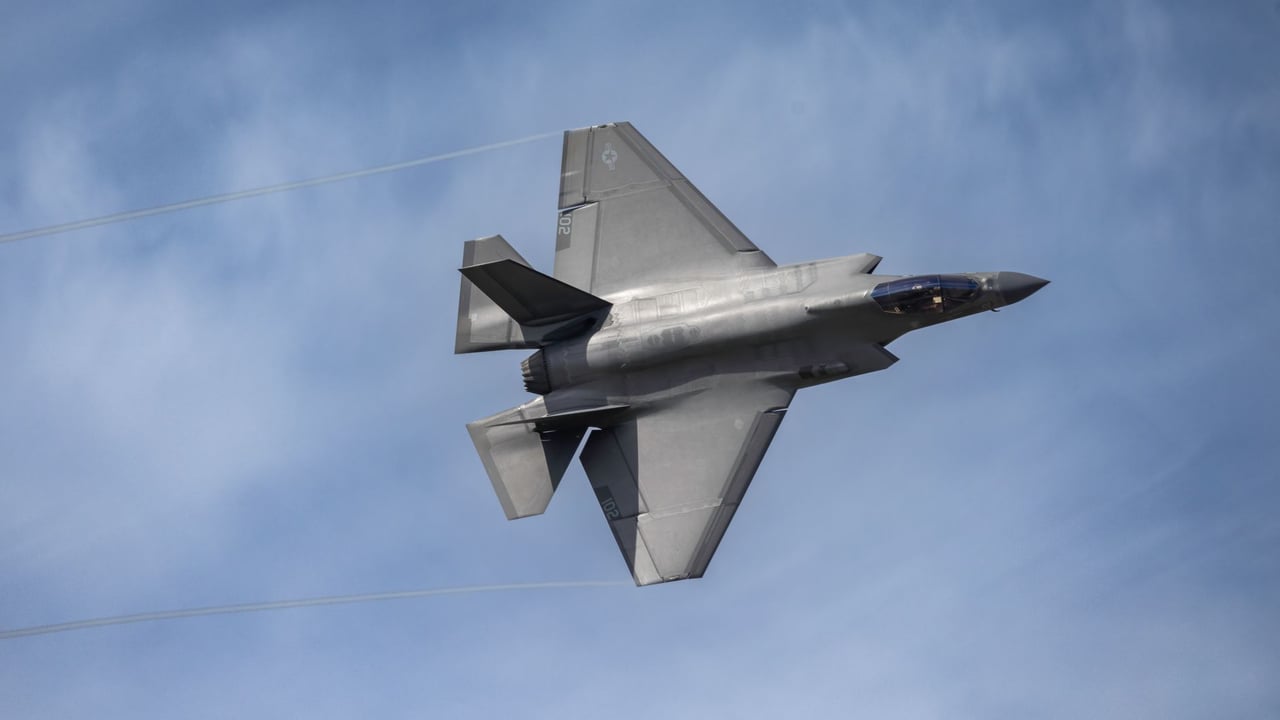

The United States Marine Corps has begun accepting a shipment of F-35B Lightning II stealth fighters that are currently incapable of performing their primary aerial mission. According to recent reports, the first six aircraft from the latest production lot have been delivered with metal ballast installed where the sophisticated radar system should be. This unusual workaround highlights the growing friction between the Pentagon’s ambitious technological roadmap and the reality of complex hardware manufacturing.
The root of the issue lies in a transition phase between radar generations known as the Block 4 modernization. The new Lot 17 aircraft are designed specifically to accommodate the advanced AN/APG-85 Active Electronically Scanned Array (AESA) radar. However, because the testing schedule for this new sensor has slipped, and the airframes feature a mounting base that is physically incompatible with the older AN/APG-81 radar, Lockheed Martin has been forced to deliver "hollow" jets to keep the production line moving.
For the Marine Corps, these radar-less jets represent a temporary but significant compromise in operational readiness. While the aircraft can still be utilized for pilot training, flight envelope expansion, and carrier qualifications, they lack the primary sensor necessary for high-end combat or sophisticated sensor fusion. The decision to accept these incomplete units suggests a priority on maintaining delivery schedules and airframe flow over immediate frontline capability.
This development serves as a stark reminder of the risks inherent in "concurrency"—the practice of producing military hardware while its critical sub-systems are still under development. As the F-35 program pushes toward the TR-3 (Technology Refresh 3) standard, these hardware-software mismatches are becoming increasingly visible. For global observers, the spectacle of the world's most advanced fighter flying with literal weights in its nose is a poignant symbol of the logistical hurdles facing 5th-generation warfare.