
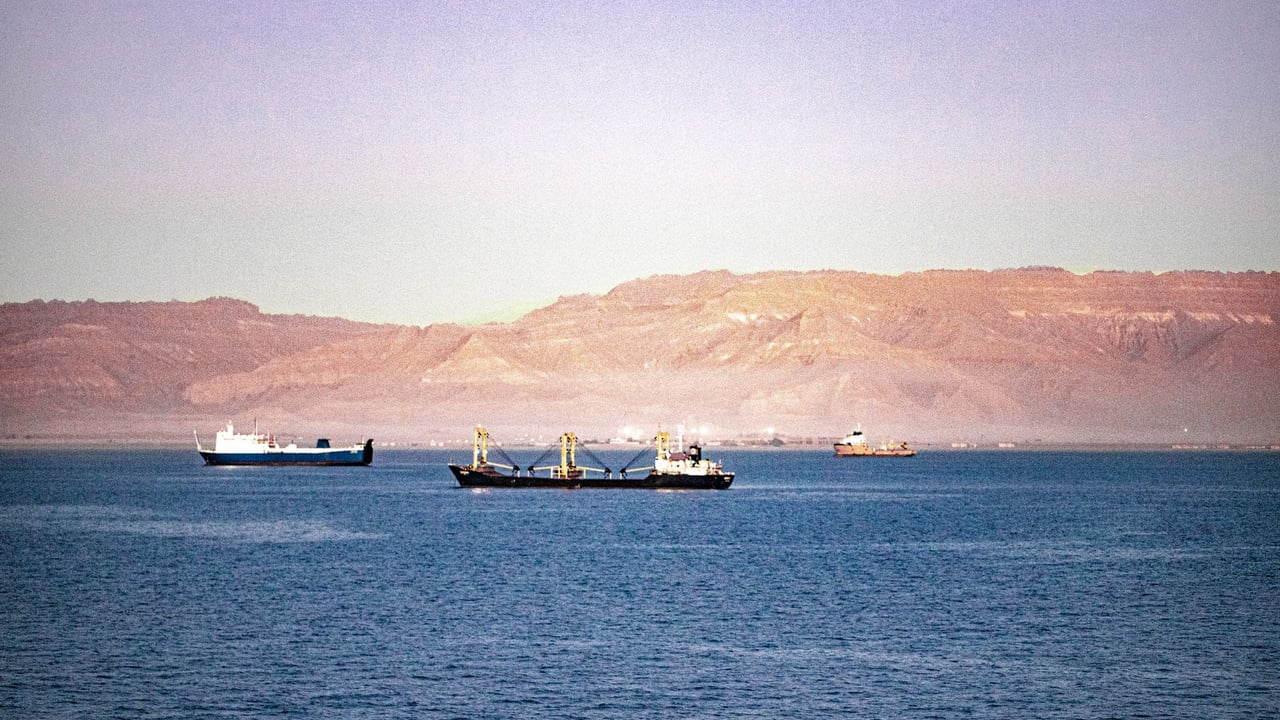

The brinkmanship between Washington and Tehran has entered a precarious new phase as both nations reportedly agreed to a temporary cessation of mutual attacks. Following a volatile period of strikes in the Persian Gulf, high-level negotiations are set to resume on June 30 in Doha, Qatar. The market reaction was immediate, with gold prices retreating from safe-haven highs while international oil benchmarks climbed amid lingering supply anxiety.
This latest diplomatic maneuver signals a significant strategic pivot in the bilateral relationship. In a notable departure from previous rounds, the venue has shifted from neutral Switzerland to the regional hub of Qatar. More importantly, the agenda has transitioned from the long-stalled Iranian nuclear program toward the immediate, high-stakes management of the Strait of Hormuz.
The urgency of these talks is underscored by the failure to implement a previously agreed-upon military 'hotline' between the Pentagon and the Islamic Revolutionary Guard Corps (IRGC). This communication gap has already proven costly, leading to a recent cycle of US strikes on Iranian targets following alleged attacks on commercial shipping. The lack of direct communication channels remains the primary obstacle to preventing accidental escalation in the world’s most critical oil chokepoint.
Tehran’s diplomatic posture remains defiant even as it returns to the table. Foreign Minister Abbas Araghchi, speaking from Baghdad, recently asserted that Iran alone holds the authority to manage traffic through the Strait. Furthermore, Tehran is attempting to link maritime stability in the Gulf to the broader regional conflict, demanding an end to Israeli operations in Lebanon as part of any lasting谅解 (understanding) with the United States.
The economic ramifications of these tensions extend far beyond the immediate belligerents. Iraq, which relies heavily on the Strait for its fiscal survival, has voiced increasing alarm over the disruption of regional trade. As negotiators head to Doha, the global energy market remains on edge, recognizing that while a temporary truce is in place, the underlying friction between Iranian sovereignty and international freedom of navigation is far from resolved.