Cracks in the ‘Rocket Egg’: China’s Poultry Market Cools Amid Seasonal Shifts and Industrial Bifurcation

Egg prices in China have retreated from their five-year highs as seasonal humidity and increased supply from spring restocking temper the market. A notable divide is emerging as large industrial farms continue to expand their flocks while smallholders struggle with financial pressures.

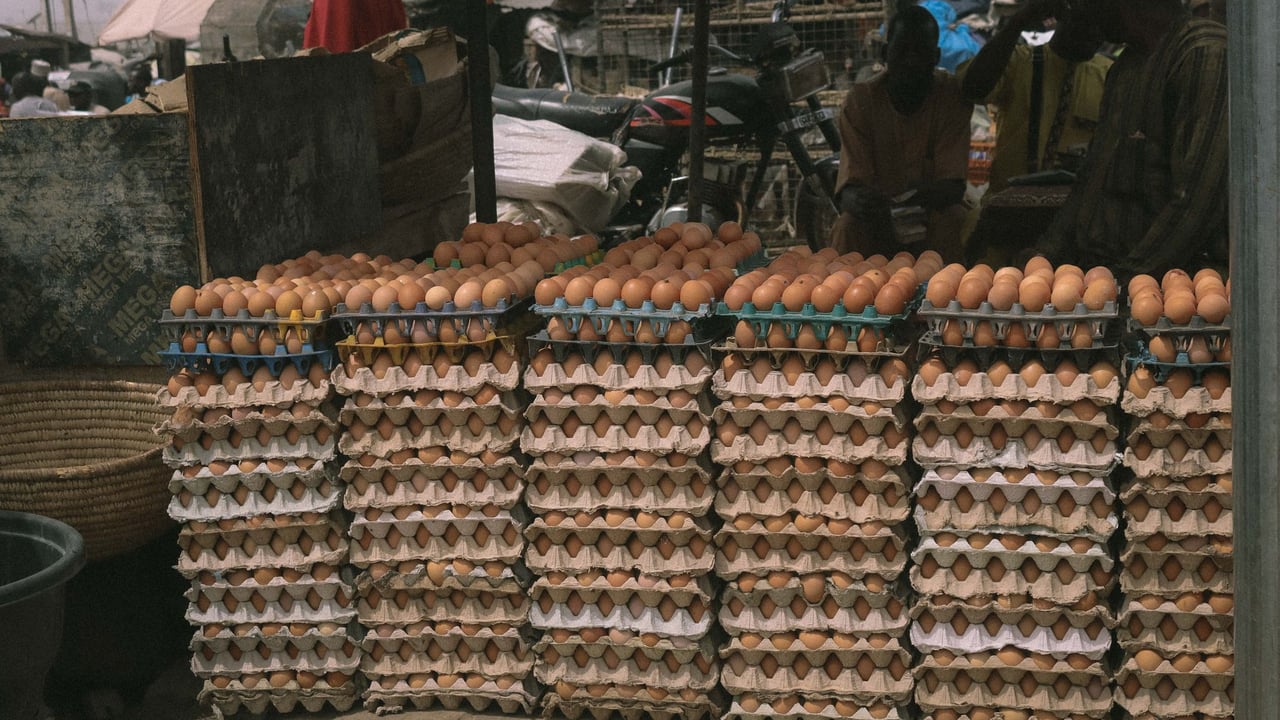
Stacks of fresh eggs on display at an outdoor Nigerian market in Kaduna, showcasing local commerce.

Key Takeaways

  • 1Wholesale egg prices have dropped approximately 15% from their peak, falling below the 5 yuan/kg mark.
  • 2Seasonal 'plum rain' humidity is making egg storage difficult, forcing traders to maintain low inventories.
  • 3Second-quarter profit margins for egg producers reached their highest levels in five years, delaying the culling of older hens.
  • 4A structural gap is widening: large-scale enterprises are booking chick orders through September, while smallholders face high vacancy rates due to capital constraints.
  • 5Analysts expect prices to bottom out in July before rebounding for the September holiday season.

Editor's
Desk

Strategic Analysis

The current volatility in China's egg market is more than a simple seasonal fluctuation; it is a microcosm of the broader consolidation occurring across Chinese agribusiness. The 'bifurcation' noted by industry insiders—where large groups expand while smallholders contract—suggests that capital access is becoming the primary filter for survival in the poultry sector. This trend toward industrialization may lead to more stable supply chains in the long run, but in the short term, it creates a market where price signals are increasingly dictated by the expansion strategies of conglomerates rather than the immediate consumption needs of the populace. Furthermore, the correlation between high Q2 profits and delayed culling shows that the market is still prone to 'hog cycle' style volatility, where high prices today bake in the oversupply of tomorrow.

China Daily Brief Editorial
Strategic Insight
China Daily Brief

The blistering rally of Chinese egg prices, colloquially known as the 'rocket egg' phenomenon, has finally stalled as the market enters its traditional mid-year lull. After surging past the 5 yuan per kilogram threshold in early 2026, wholesale prices in major producing regions have retreated by approximately 15 percent, falling back to roughly 4.32 yuan per kilogram. This correction marks a transition into the seasonal 'plum rain' period, where high humidity and rising temperatures across southern China create significant storage and logistics challenges for fresh produce.

Market analysts point to a convergence of seasonal demand patterns and a surge in supply to explain the current price correction. The chickens that began laying in June were largely hatched during a peak restocking period in February and March, creating a steady influx of smaller eggs into the market. Simultaneously, the extraordinary profit margins seen in the second quarter—the highest in five years—have incentivized farmers to keep older hens in production longer than usual, further bolstering the available supply.

The volatility is exposing a widening divide between large-scale agricultural conglomerates and small-scale poultry farmers. While major listed entities like Xiaoming Shares report robust demand for chick restocking through September, smaller independent operators remain sidelined by credit constraints and high vacancy rates. This bifurcation suggests that while the industry's top tier is positioning for a long-term expansion, the grassroots of the sector remains vulnerable to the capital-intensive nature of modern poultry farming.

Despite the immediate downward pressure on prices, the outlook for the third quarter remains cautiously optimistic for producers. High summer temperatures typically suppress the laying rate of hens, which will naturally tighten supply as the market prepares for the peak demand season. With the Mid-Autumn Festival and National Day holidays approaching in September, analysts expect a significant demand rebound to provide a floor for prices, even as the industry navigates this temporary seasonal trough.

Share Article

Related Articles

📰
No related articles found