

South Korea has signaled its determination to remain a global semiconductor hegemon by announcing a staggering 520 trillion won ($375 billion) investment plan dedicated to the development of artificial intelligence (AI) and next-generation chip infrastructure. This massive capital injection represents one of the world's most ambitious industrial policies, aimed at transforming the country from a dominant memory-chip manufacturer into a comprehensive leader in the AI-driven silicon era.
The strategy focuses on the creation of a massive semiconductor 'mega cluster,' which will integrate chip production facilities, data centers, and specialized AI research hubs. By focusing on the Southwest region and other strategic corridors, the government aims to decentralize the industry’s footprint while ensuring that the infrastructure—ranging from ultra-high-voltage power lines to advanced water supply systems—is robust enough to support the energy-intensive demands of AI chip fabrication.
This move is a direct response to the escalating 'chip wars' between the United States and China, as well as the aggressive foundry expansion seen in Taiwan. As global demand shifts from standard DRAM toward High Bandwidth Memory (HBM) and customized AI logic chips, Seoul is betting that public-private partnerships will provide the scale necessary for national champions like Samsung and SK Hynix to maintain their technological edge against rising competition.
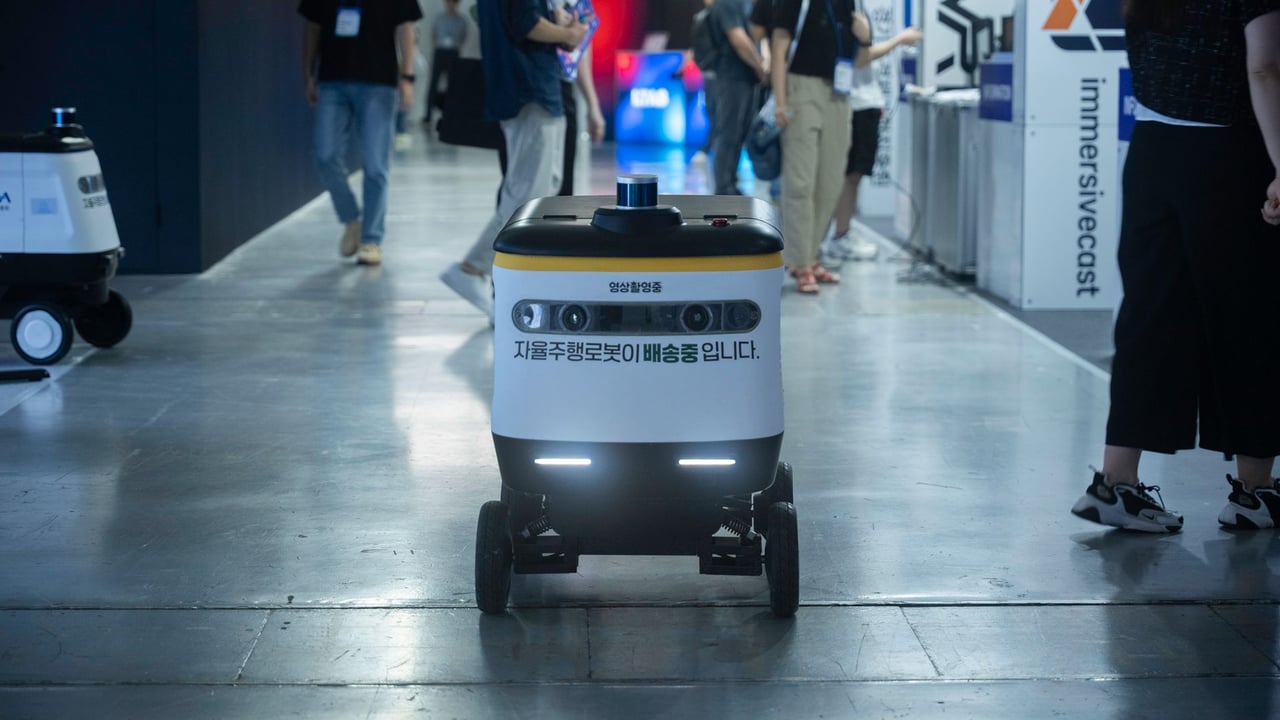
Beyond hardware manufacturing, the initiative outlines a vision for 'Physical AI,' where silicon prowess is applied to robotics and autonomous systems. By securing the entire value chain—from design and manufacturing to the data centers that process AI workloads—South Korea is attempting to build a self-sustaining ecosystem that can withstand geopolitical volatility and the decoupling of global supply chains.