
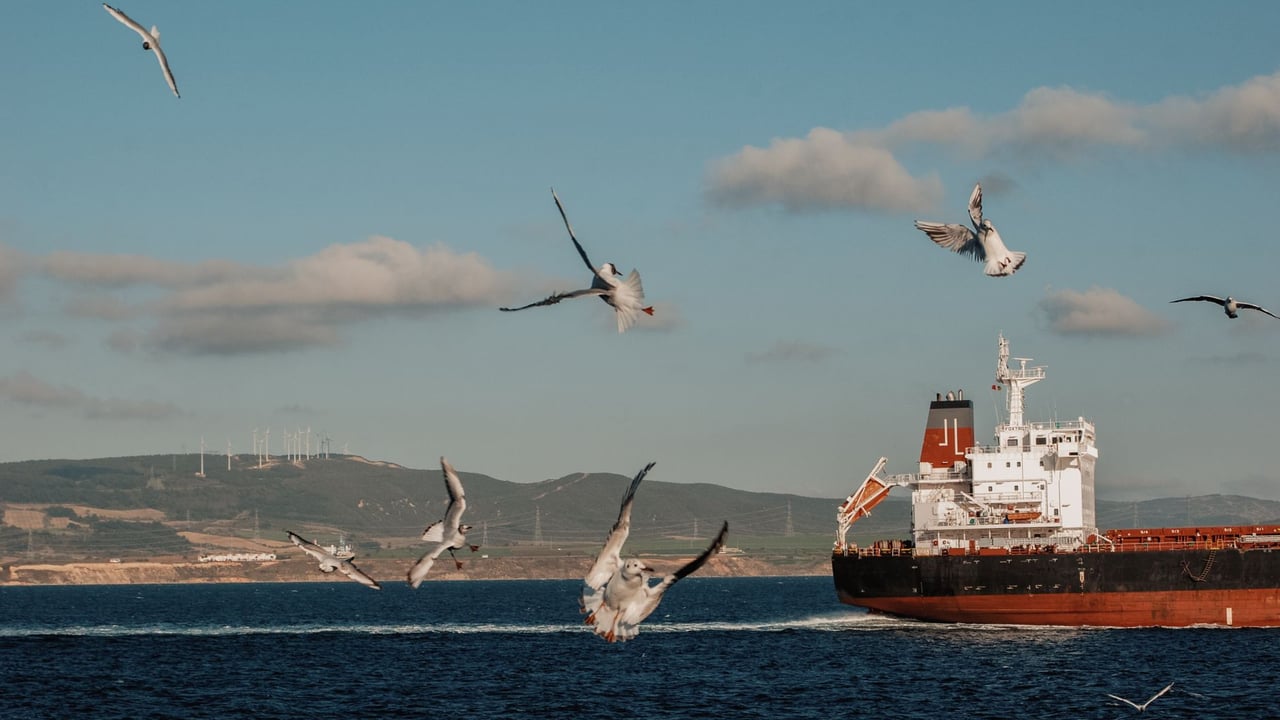

The Strait of Hormuz has once again become a theatre of high-stakes volatility, as a series of recent attacks on commercial vessels has effectively neutralized the optimism generated by a tentative ceasefire between Washington and Tehran. Despite a diplomatic agreement reached just last week, the security of the world’s most critical energy chokepoint remains precarious. Shipowners, once hopeful that the de-escalation would stabilize shipping lanes, are now retreating as the risk to crews and cargo reaches a tipping point.
According to recent tracking data from the Windward platform, the maritime artery saw a notable dip in traffic over the weekend, with only 40 vessels recorded transiting the strait on June 27. The volume included 24 vessels entering the Persian Gulf—primarily empty tankers seeking to load crude—and 16 vessels exiting. While these figures remain higher than during the peak of previous hostilities, the qualitative shift in shipowner confidence is palpable, with several major firms reportedly suspending their transit plans indefinitely.
The Joint Maritime Information Center has elevated the regional threat level to 'Substantial' following targeted strikes on a Singapore-flagged container ship and the Kiku, a tanker carrying Qatari petroleum. These incidents have forced a tactical recalculation for global logistics providers. While some vessels continue to utilize the Iranian-designated northern corridor or 阿曼-adjacent southern routes, the inconsistency in security protocols has left the industry in a state of suspended animation.
Central to the current impasse is the 'empty hull' dilemma facing Middle Eastern energy producers. As regional players seek to restore production levels, the demand for incoming tankers is surge-driven, creating a scenario where economic necessity clashes with physical security. This pressure ensures that the Strait remains active despite the threat of tit-for-tat strikes, though the cost of insurance and security details is expected to rise sharply as the ceasefire's fragility is exposed ahead of upcoming negotiations.