

China’s State Council has officially released its 15th Five-Year Plan (2026–2030) for educational development, marking a decisive shift from quantitative growth to qualitative dominance. The plan serves as the primary tactical blueprint for Beijing's ambition to become a global 'education powerhouse' by 2035, emphasizing a tight integration between pedagogical reform, technological self-reliance, and national security. At its core, the policy seeks to re-engineer the world's largest education system to better serve the needs of a modernizing economy under intense geopolitical pressure.
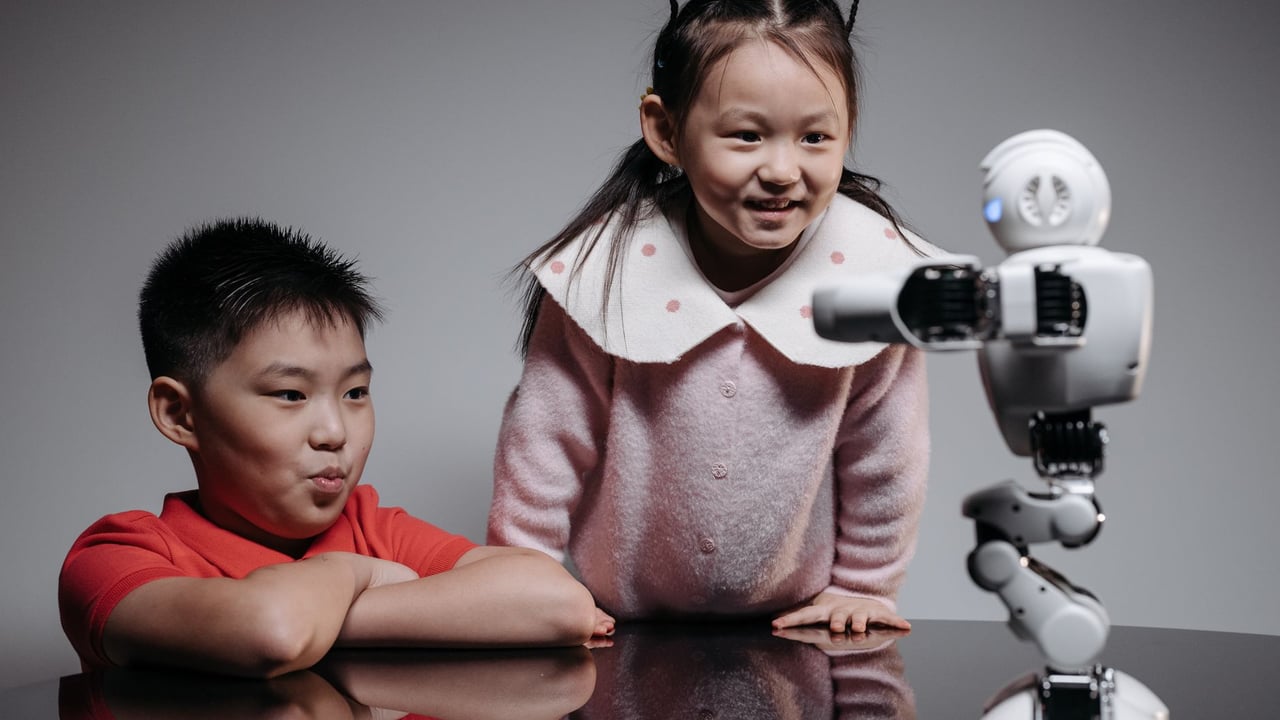
A central pillar of this new strategy is the 'AI+Education' initiative, which mandates the integration of artificial intelligence across all schooling levels. Beyond mere digital literacy, the directive aims to foster critical thinking and innovation, preparing a generation for the Fourth Industrial Revolution while simultaneously deploying AI to manage administrative and assessment burdens. This tech-centric approach is paired with a significant expansion of elite higher education, specifically targeting an increase of over 100,000 undergraduate seats at the nation’s top 'Double First-Class' universities.
Addressing a long-standing point of social friction, the plan outlines a major overhaul of vocational education through a 'New Double High' program. By elevating the status of vocational degrees and integrating them with professional master’s and doctoral tracks, Beijing hopes to produce the 'Great Craftsmen' required to sustain its advanced manufacturing base. This move aims to break the cultural stigma associated with non-academic paths and provide a viable alternative to the hyper-competitive university entrance exam system, which has contributed to widespread youth burnout.
The document also reveals a pragmatic approach to China’s shifting demographics and the looming school-age population decline. It calls for a flexible 'predictive and early warning mechanism' to adjust educational resources in real-time, focusing on expanding public preschools and optimizing school footprints in shrinking rural areas versus growing urban centers. Furthermore, the plan reinforces the ideological foundations of the classroom, ensuring that technological and scientific advancement remains firmly tethered to 'Lide Shuren'—the party-led mission of cultivating virtue and national loyalty.