

In the village of Xiajie, nestled within the historical heart of Jiangxi’s Ruijin, a family guards two yellowed letters as their most sacred inheritance. These missives, written by a young Red Army soldier named Zhong Tengmu just before the start of the Long March in 1934, carry the weight of a generation’s sacrifice. Their simple request—to eventually return home and "live and work in peace"—has become a central narrative for the region’s modern identity.
Contextualizing these letters requires looking back at the dire winter of 1934, when the Communist forces were facing imminent collapse under the Nationalist Fifth Encirclement Campaign. Ruijin, then the capital of the nascent Chinese Soviet Republic, was the staging ground for a retreat that would become a founding myth of the People’s Republic. For soldiers like Zhong, the "Long March" was not yet a legend, but a desperate, uncertain departure from their kin.
The letters reveal a poignant duality of revolutionary zeal and domestic longing. In one, Zhong speaks of eliminating "imperialism and the Kuomintang" to ensure a future where he can finally return to his family. In another, written as his unit mustered in Ruijin, he frantically urged his mother to meet him one last time. That reunion never happened; the unit moved out before the family arrived, and Zhong would later perish in Guizhou at the age of 22.
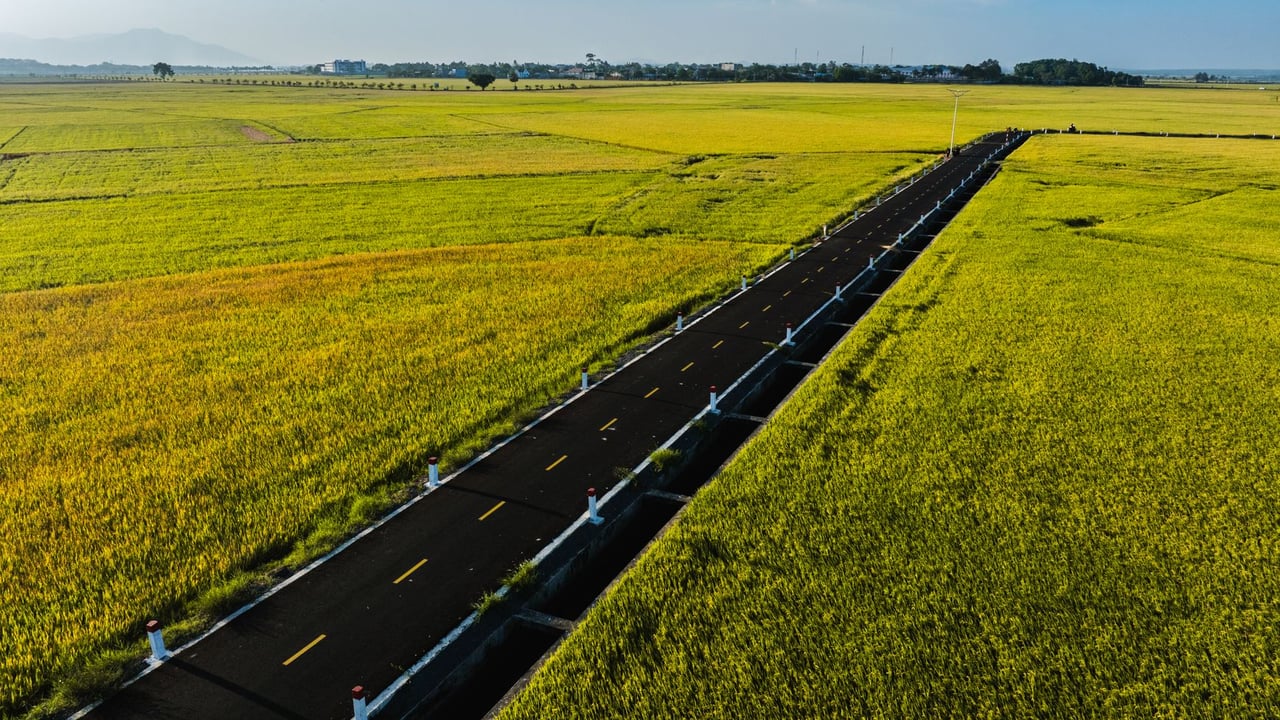
Today, the Chinese state uses stories like Zhong’s to bridge the gap between its revolutionary past and its contemporary policy of "Rural Revitalization." In the fields of Jiangxi, the soldier’s dream of domestic stability is presented as a reality achieved through modern agricultural industrialization. This transformation is visible in the 11,000 acres of white lotus cultivation in Rentian and high-tech greenhouses in Yeping that export produce to the Greater Bay Area.
This narrative is further reinforced by a new generation of cadres who are returning to their ancestral roots. Yang Shuyi, a local official born after 2000, represents this trend of youth-led rural governance inspired by family ties to the revolution. For the state, the success of these "Gen Z" officials in modernizing the countryside is the ultimate proof that the sacrifices made during the Long March have finally paid their dividends.
As Ruijin pivots toward "Red Tourism," leveraging its history to attract over 100,000 visitors annually, the line between historical preservation and economic development blurs. The preservation of Zhong’s letters is no longer just a private family matter but a public testament to the party’s enduring mandate. In this corner of Jiangxi, the past is not merely remembered; it is actively recruited to legitimize the economic aspirations of the future.