Doha Rendezvous: Trump Signals High-Stakes Opening with Iran Amid Strategic Silence from Tehran

Donald Trump has announced a scheduled meeting with Iranian officials in Doha for June 30, claiming Tehran initiated the request. While the U.S. is signaling a diplomatic opening, Iran has yet to officially respond, leaving the potential for a major geopolitical breakthrough in the balance.

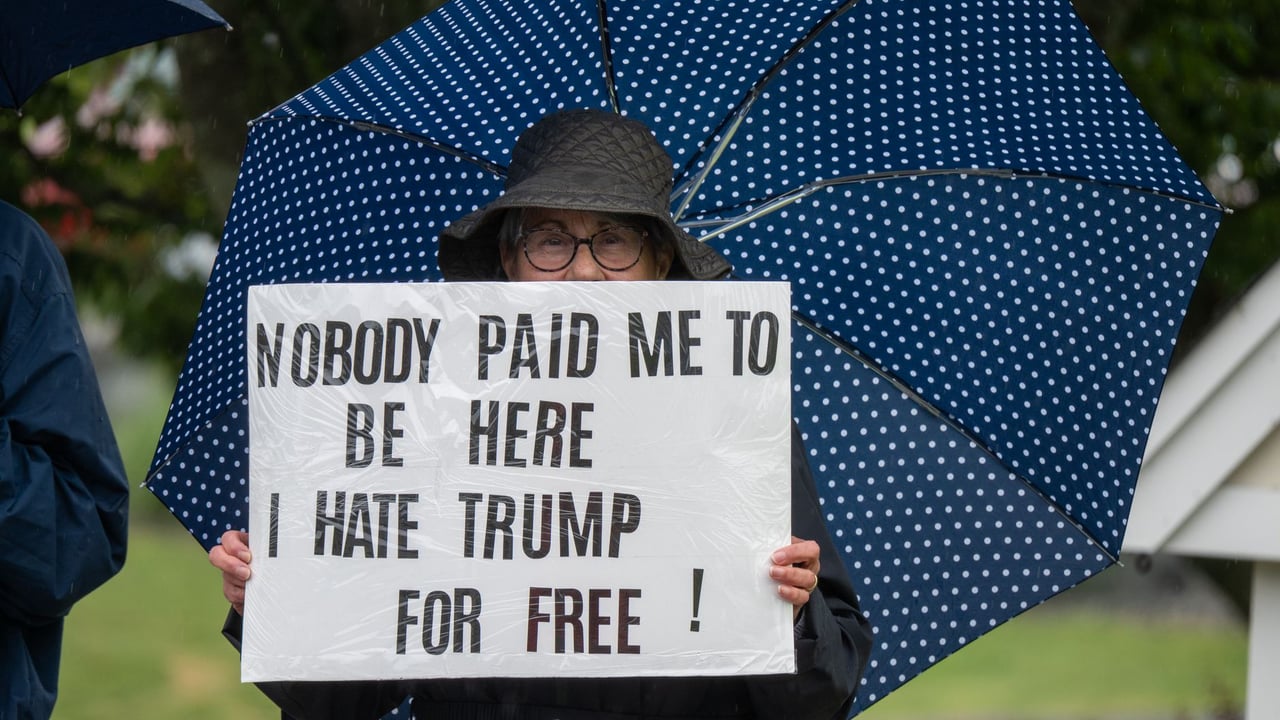
Protester with sign and umbrella during a rally in Rhode Island.

Key Takeaways

  • 1Donald Trump announced that Iran requested a high-level meeting with the U.S.
  • 2The talks are reportedly scheduled for June 30 in Doha, Qatar.
  • 3Tehran has not yet officially confirmed or responded to the announcement.
  • 4Qatar is once again acting as the primary mediator in the U.S.-Iran relationship.
  • 5The meeting could signal a significant shift in Middle Eastern security and nuclear diplomacy.

Editor's
Desk

Strategic Analysis

The decision by Trump to go public with this claim before Iran has confirmed it is a classic maneuver intended to seize the narrative and force Tehran's hand. By framing the meeting as a request from Iran, the U.S. administration attempts to project a position of strength, suggesting that economic or political pressures have finally brought the Islamic Republic to the table. For Iran, the silence is likely a strategic necessity; the regime must balance the domestic risk of appearing to capitulate to Washington against the desperate need for sanctions relief. If the meeting does occur, the focus will likely shift from purely nuclear concerns to a broader 'grand bargain' involving regional proxies and maritime security, though the inherent lack of trust between the two capitals remains a formidable barrier to any lasting treaty.

China Daily Brief Editorial
Strategic Insight
China Daily Brief

In a move that could fundamentally reshape the geopolitical landscape of the Middle East, Donald Trump has announced that Iran has requested a bilateral meeting with U.S. officials. The proposed talks are scheduled to take place on June 30 in Doha, Qatar, a neutral territory that has frequently served as a vital diplomatic conduit between Washington and its regional adversaries.

While the announcement has sent ripples through international diplomatic circles, Tehran has maintained a conspicuous silence, neither confirming nor denying the report. This asymmetry in communication is characteristic of the fraught relationship between the two nations, where public signaling often precedes or even replaces formal diplomatic channels.

Qatar’s selection as the host venue underscores its indispensable role as a regional mediator capable of bridging the chasm between Western interests and the Islamic Republic. By facilitating this potential meeting, Doha continues to position itself as the primary clearinghouse for high-stakes diplomacy in an increasingly volatile global order.

The timing of these purported talks is particularly significant, as both nations face internal and external pressures to resolve long-standing disputes regarding nuclear proliferation and regional security. If the meeting proceeds as Trump suggests, it would represent a dramatic pivot from the confrontational rhetoric that has defined the bilateral relationship for much of the past decade.

Global energy markets and regional allies are watching the situation with cautious optimism, as even a preliminary dialogue could de-escalate tensions in the Persian Gulf. However, without official confirmation from the Iranian leadership, the world remains in a state of suspended animation, waiting to see if this is a genuine breakthrough or a tactical feint.

Share Article

Related Articles

📰
No related articles found