

Tehran is quietly recalibrating its regional influence by bypassing established paramilitary structures in Iraq. Faced with the increasing bureaucratization and political integration of older Shiite militias, the Islamic Revolutionary Guard Corps (IRGC) is fostering clandestine, 'micro-proxies' designed for high-impact, low-profile strikes. This shift suggests a move away from the massive, multi-purpose organizations of the past toward leaner, more radical cells that are easier to manage and harder to track.
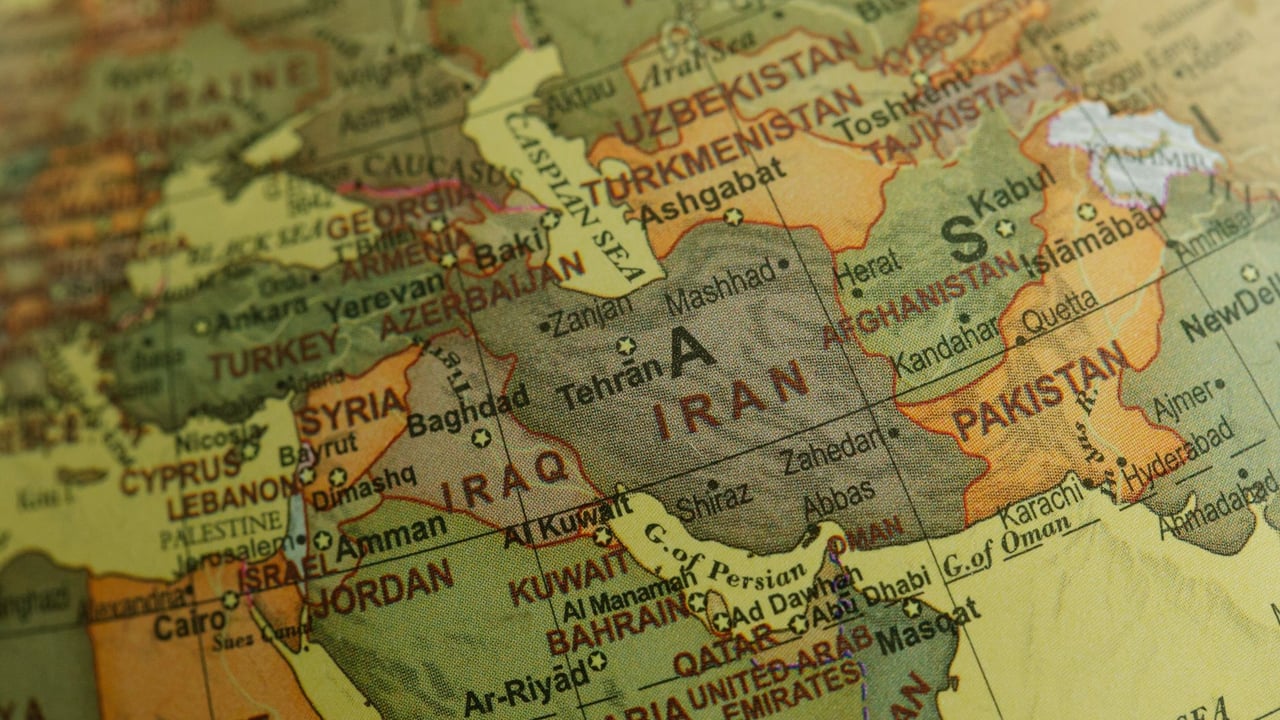
Between late April and mid-May, these nascent cells reportedly launched a series of drone incursions targeting critical infrastructure in Kuwait, Saudi Arabia, and the United Arab Emirates. By operating out of Basra and other southern Iraqi hubs, these groups allow the IRGC to exert lethal pressure on Gulf rivals while maintaining a thin veneer of plausible deniability. This tactical evolution reflects a pragmatic response to a changing Iraqi political landscape where traditional allies are increasingly prioritizing domestic governance over revolutionary adventurism.
The emergence of these groups indicates that the IRGC is prioritizing ideological purity and direct command-and-control over sheer size. As veteran Iraqi militias move toward the political mainstream, Tehran risks losing its most aggressive levers of influence. To counter this, the IRGC has recruited splinter elements from the Islamic Resistance in Iraq to form autonomous units that answer directly to Tehran rather than to the local Iraqi chain of command.
The proliferation of low-cost drone technology has fundamentally altered the security calculus for the Gulf monarchies. While nations like Saudi Arabia and the UAE have invested billions in sophisticated air defense systems, the asymmetric threat posed by 'independent' cells requires a total overhaul of regional intelligence and defensive integration. These localized, tech-savvy groups represent a 'decentralized' threat that can strike at the heart of the global energy supply with minimal overhead.
As the United States re-evaluates its military footprint in the Middle East and regional powers continue to navigate the complexities of the Abraham Accords, Iran views these new proxies as a necessary insurance policy. The objective is to remain the primary arbiter of regional stability through a strategy of controlled chaos. By maintaining a network of 'deniable' attackers, Tehran ensures it can disrupt the status quo without triggering a direct, state-level conventional war.