New Delhi’s Stealth Surge: India’s Naval Modernization Gains Momentum with Triple Vessel Launch

India has launched the INS Dunagiri, its latest P-17A class stealth frigate, alongside two other domestically built vessels. This development highlights India’s growing naval self-reliance and its strategic shift toward Western technology to counter regional maritime challenges.

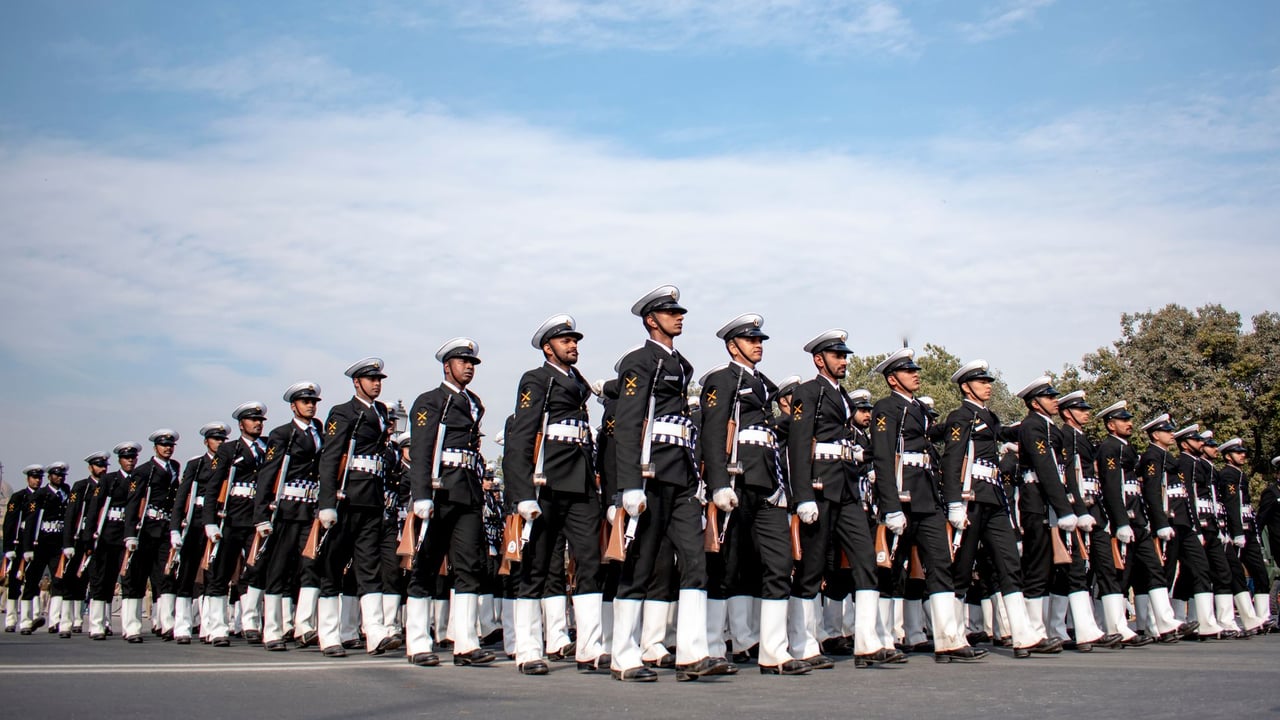
Indian naval officers in uniform marching in formation, showcasing discipline and unity during a parade in New Delhi.

Key Takeaways

  • 1The INS Dunagiri is the fifth ship of seven planned under the P-17A project, India’s most advanced stealth frigate program.
  • 2The vessel features a 6,670-ton displacement and incorporates significant stealth modifications over previous generations.
  • 3Propulsion is provided by US-made GE LM2500 gas turbines, signaling a move away from Russian-centric naval hardware.
  • 4The simultaneous launch of three vessels demonstrates an acceleration in India's domestic shipbuilding cycle and industrial capacity.
  • 5The P-17A class is designed to maintain Indian naval superiority in the Indian Ocean amid rising regional competition.

Editor's
Desk

Strategic Analysis

The launch of the INS Dunagiri is more than a routine fleet expansion; it is a tactical statement regarding India’s role in the 'Quad' and its ability to act as a regional counterweight. By opting for American propulsion and Israeli-derived radar systems on an Indian-built hull, New Delhi is effectively creating a fleet that is more interoperable with Western navies than its predecessor classes. However, the reliance on foreign engines and mission systems remains a vulnerability for the 'Make in India' narrative. While India can now build world-class hulls, its path to true naval autonomy still depends on mastering the high-end subsystems that currently come from the US and Europe. The success of the P-17A project will likely determine whether India can keep pace with China’s rapid naval growth or if it will continue to play a defensive game in the littoral zones.

China Daily Brief Editorial
Strategic Insight
China Daily Brief

The Indian Navy achieved a significant milestone in its fleet expansion strategy this week, simultaneously commissioning and launching three domestically produced vessels. At the heart of this naval showcase is the INS Dunagiri, an advanced stealth frigate that represents the cutting edge of India’s indigenous shipbuilding capabilities. As the fifth of seven planned ships under the ambitious P-17A project, the Dunagiri signals a maturing defense industry capable of producing high-tonnage, technologically sophisticated combatants.

Constructed by Mazagon Dock Shipbuilders Limited, the P-17A class is a direct evolution of the existing Shivalik-class frigates. However, these newer vessels are not merely incremental upgrades; they feature a significantly larger displacement of 6,670 tons and a total redesign focused on reducing radar cross-sections. By integrating advanced stealth shaping and improved deck layouts, the Indian Navy aims to project power across the Indian Ocean while maintaining a lower profile against increasingly sophisticated adversary sensors.

Beneath the surface, the Dunagiri highlights India’s shifting strategic dependencies. While the hull is a product of Indian engineering, the ship’s heart is American, powered by two General Electric LM2500 gas turbines. This reliance on Western propulsion systems underscores a broader pivot away from traditional Russian hardware, reflecting the deepening security partnership between Washington and New Delhi. This hybrid approach—local assembly paired with high-end Western internals—is now the hallmark of the 'Make in India' initiative in the maritime domain.

This rapid expansion of the surface fleet is a clear response to the shifting power balance in the Indo-Pacific. As the People’s Liberation Army Navy (PLAN) increases its presence in the Indian Ocean, India is under mounting pressure to modernize its aging fleet. The P-17A project provides the Indian Navy with the versatility required for long-range patrols and carrier escort duties, ensuring that New Delhi remains the primary security provider in its immediate maritime backyard.

Share Article

Related Articles

📰
No related articles found