

In a move that blends characteristic unpredictability with high-stakes brinkmanship, Donald Trump has announced that the United States and Iran will convene for a summit in Doha. The statement, delivered with a shrug as to whether the meeting would be "important or not," marks a potential turning point in a relationship that has oscillated between the precipice of war and frozen hostility for years.
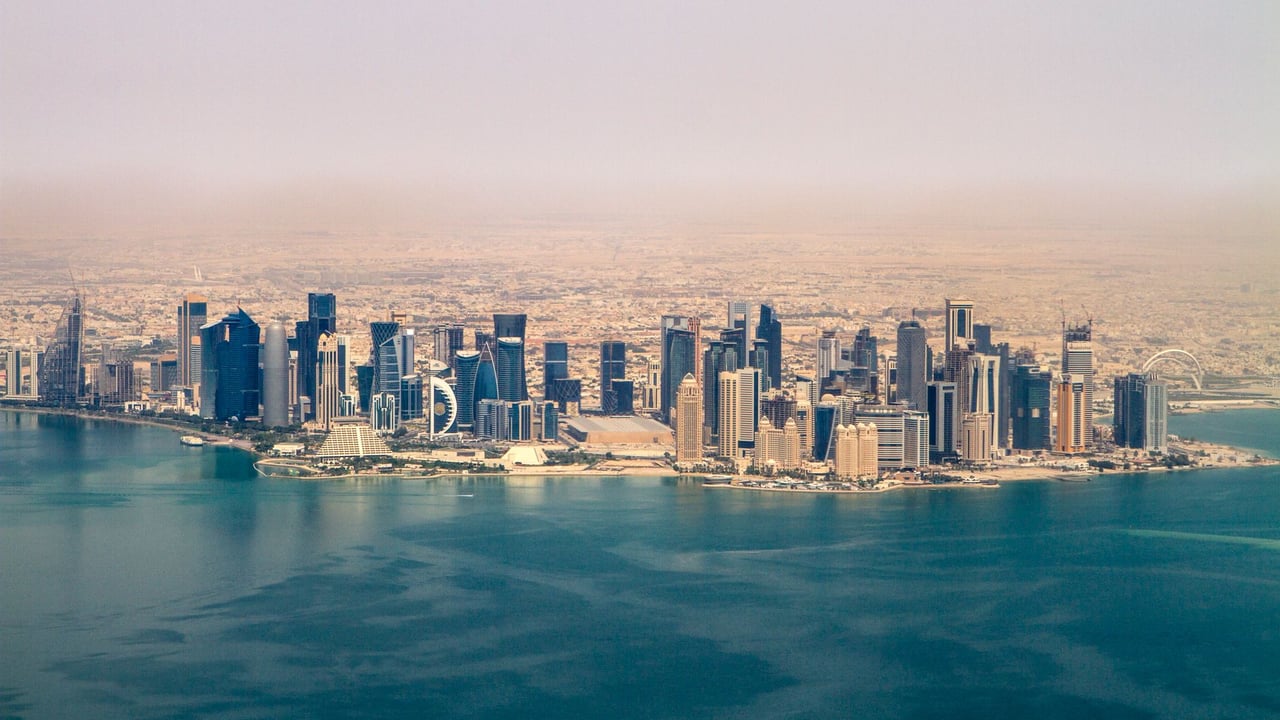
Choosing Qatar as the venue underscores the emirate’s solidified role as the indispensable middleman in Middle Eastern geopolitics. Following its successful mediation in previous regional conflicts, Doha now provides a neutral ground where the divergent interests of Washington’s legacy of economic pressure and Tehran’s strategic resistance can finally meet face-to-face.
For Trump, this announcement serves a dual purpose: it reinforces his image as a dealmaker who ignores traditional diplomatic channels and keeps both allies and adversaries guessing. By downplaying the significance of the talks from the outset, he manages expectations at home while maintaining a position of psychological leverage over the Iranian negotiators.
The implications of these talks extend far beyond a bilateral photo-op, as any substantive agreement would necessitate addressing Iran’s nuclear ambitions and its regional proxy network. Regional powers will be watching closely to see if this represents a genuine shift toward regional stability or merely a tactical maneuver in a broader geopolitical game.