
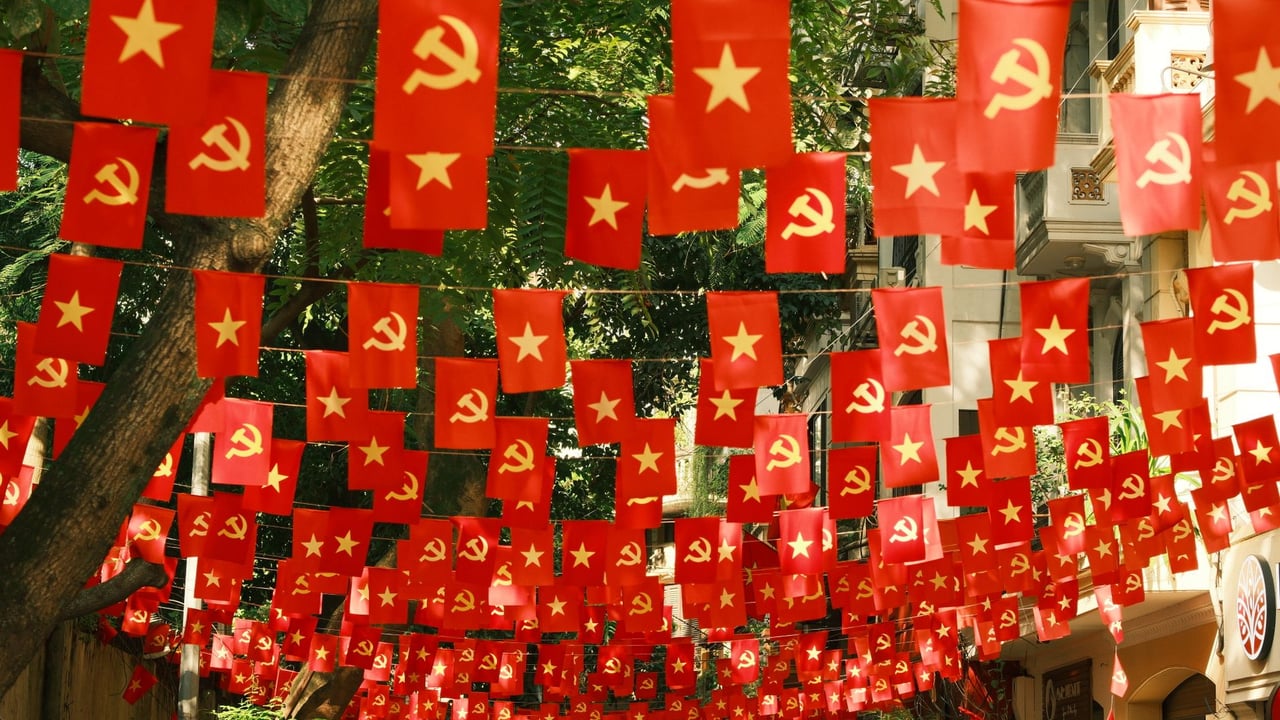

As July 1st approaches, marking the 105th anniversary of the Communist Party of China (CPC), the nation’s propaganda apparatus has pivoted toward a coordinated display of historical reverence. From the sprawling grasslands of Inner Mongolia to the rugged mountains of Shanxi, "Red Tourism" sites and revolutionary memorials are seeing a surge in activity designed to bolster the ideological foundations of both the rank-and-file and the general public.
In Inner Mongolia’s Ordos, the Batuwan Red Culture Town has become a focal point for "immersive storytelling," where cadres and students engage with scene reconstructions of revolutionary history. This shift toward experiential learning reflects a broader trend in Beijing’s governance strategy: transforming dry historical narrative into a felt experience that resonates with a younger generation increasingly removed from the Party’s foundational struggles.
Further south in Shanxi Province, the Matian Eighth Route Army Headquarters Memorial Hall is reporting record-breaking attendance, with daily visitors exceeding 2,000. To accommodate this "Red Study" fever, the museum has optimized its curricula to emphasize the "Taihang Spirit" and the historical bonds between the military and the peasantry. This narrative of "fish and water" unity serves as a powerful metaphor for the Party’s current focus on social cohesion and rural revitalization.
These festivities are more than mere nostalgia; they are a calculated effort to "thicken the people's sentiments" and solidify the "initial mission" of the Party during a period of complex geopolitical and economic transitions. By intertwining revolutionary history with modern patriotism, the CPC seeks to ensure that the "red gene" is not only preserved but actively inherited by those who will navigate China’s future challenges.