
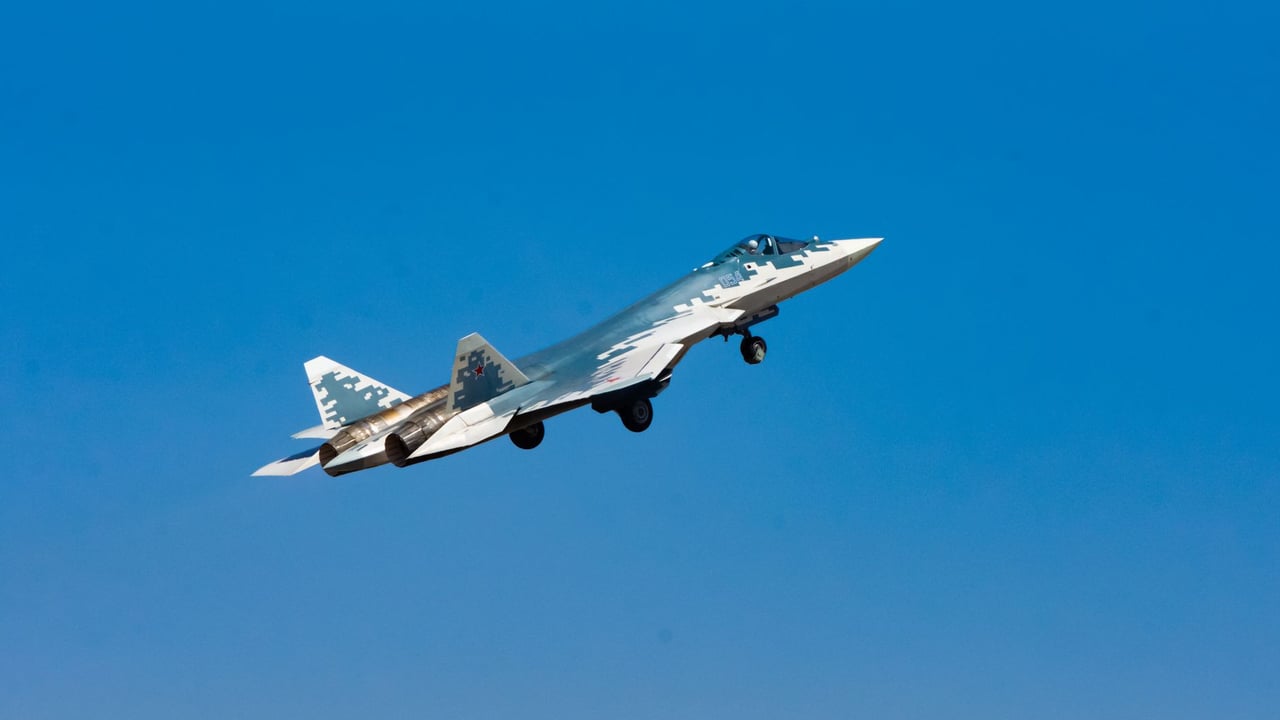

A six-hour joint aerial patrol by Chinese and Russian strategic bombers over the Sea of Japan, the East China Sea, and the Western Pacific has signaled a new era of military coordination between Beijing and Moscow. This mission, which bypassed the usual pre-announced choreography, directly challenged the maritime boundaries and defensive perimeters typically dominated by the United States and its allies. Japan’s Ministry of Defense responded by scrambling fighter jets and issuing a diplomatic protest, marking a significant escalation in regional tension.
While annual patrols have become a fixture of the Sino-Russian security partnership, this latest iteration displayed a level of technical sophistication that caught regional observers off guard. Beijing deployed a 'complete system' of aerial warfare, including H-6K bombers escorted by J-16 and J-10C fighters, and supported by KJ-500A early warning aircraft and YU-20A tankers. This integrated package allowed the fleet to maintain a continuous, high-threat presence while shielded by advanced electronic warfare and reconnaissance assets.
The timing of the patrol appears to be a calculated riposte to a trio of major U.S.-led military exercises: Resilient Dragon, Valiant Shield, and the massive RIMPAC 2026. By transiting the Miyako Strait—a critical bottleneck in the 'First Island Chain'—the joint fleet demonstrated that the geographical barriers intended to contain Chinese and Russian naval power are becoming increasingly porous. The message to Washington is clear: the collective military might of the West is no longer a guaranteed deterrent in the Western Pacific.
Domestic Japanese politics further complicate the fallout, as the administration of Sanae Takaichi faces mounting pressure over its hawkish stance toward its neighbors. While former Prime Minister Fumio Kishida has cautioned that the deep economic ties between Tokyo and Beijing are too vital to sever, his pragmatic warnings are being drowned out by a rising tide of nationalist sentiment. This hardening of positions on both sides suggests that military posturing, rather than diplomatic dialogue, will remain the primary language of the region for the foreseeable future.