
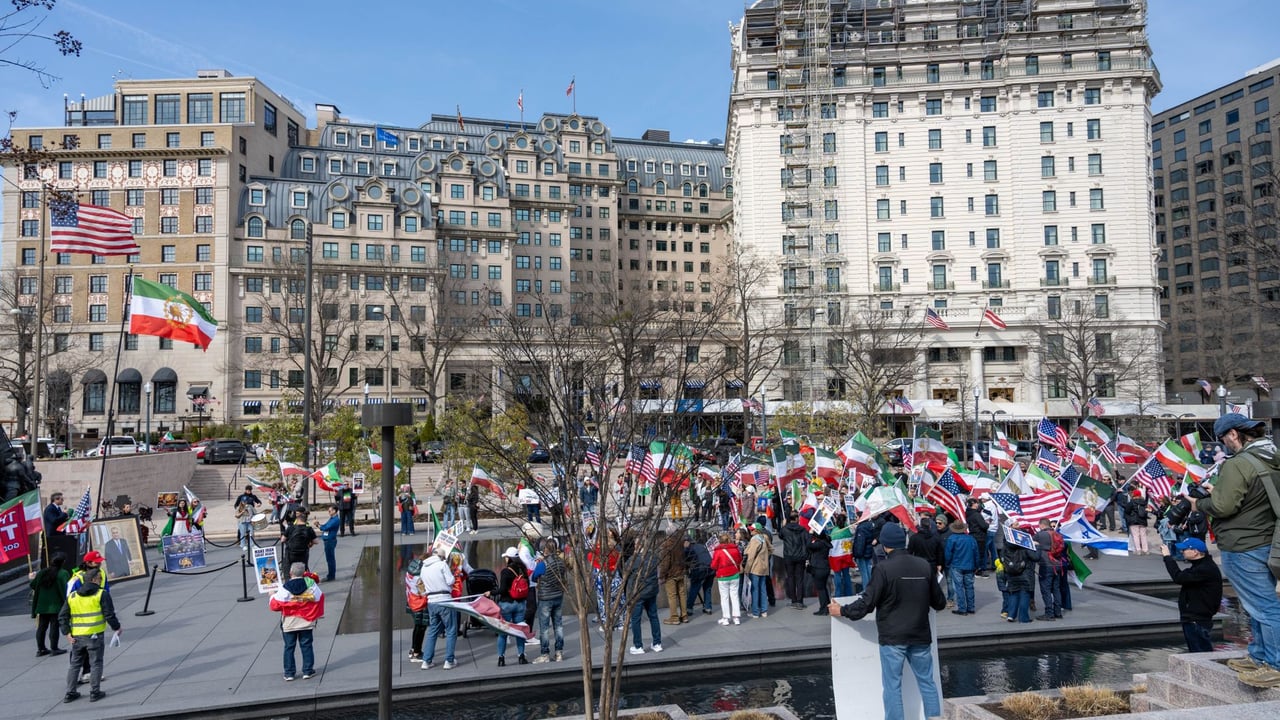

Diplomatic clarity remains elusive as the United States and Iran offer contradictory accounts of scheduled negotiations in Doha. While Washington asserts that a meeting is imminent for June 30, Tehran has dismissed the claims entirely, reflecting a profound lack of coordination or a tactical play for leverage. This disconnect suggests that even the logistics of diplomacy have become a battlefield for narrative control between the two adversaries.
The friction extends beyond the negotiating table to the vital maritime arteries of the global economy. Iran has intensified its rhetoric regarding the Strait of Hormuz, demanding that all transit adhere to a specific "Iran Route" while unilaterally claiming responsibility for demining operations. This move signals a strategic attempt by Tehran to assert absolute sovereignty over the waterway, potentially challenging international maritime norms and straining relations with regional neighbors like Oman.
Adding to the regional volatility, Israeli Defense Minister Katz has signaled that the Israel Defense Forces are prepared for "Operation Blue-White," a military contingency for direct engagement with Iran. Katz explicitly linked the potential for conflict to two triggers: a directive from the Trump administration signaling the end of diplomacy, or a direct provocation from Tehran. This stance underscores a hardening of the regional security architecture, where preemptive military action is increasingly treated as a viable policy tool.
Paradoxically, global financial markets have largely brushed off these geopolitical alarms, staging a notable recovery following initial volatility. The Nasdaq surged over 2%, driven by heavyweight gains in Tesla and SpaceX, while Chinese ADRs such as Baidu and XPeng experienced a significant rally. This "Deep V" recovery suggests that investors are currently prioritizing structural growth in technology and a rebound in Chinese tech valuations over the immediate risks of a Middle Eastern escalation.