
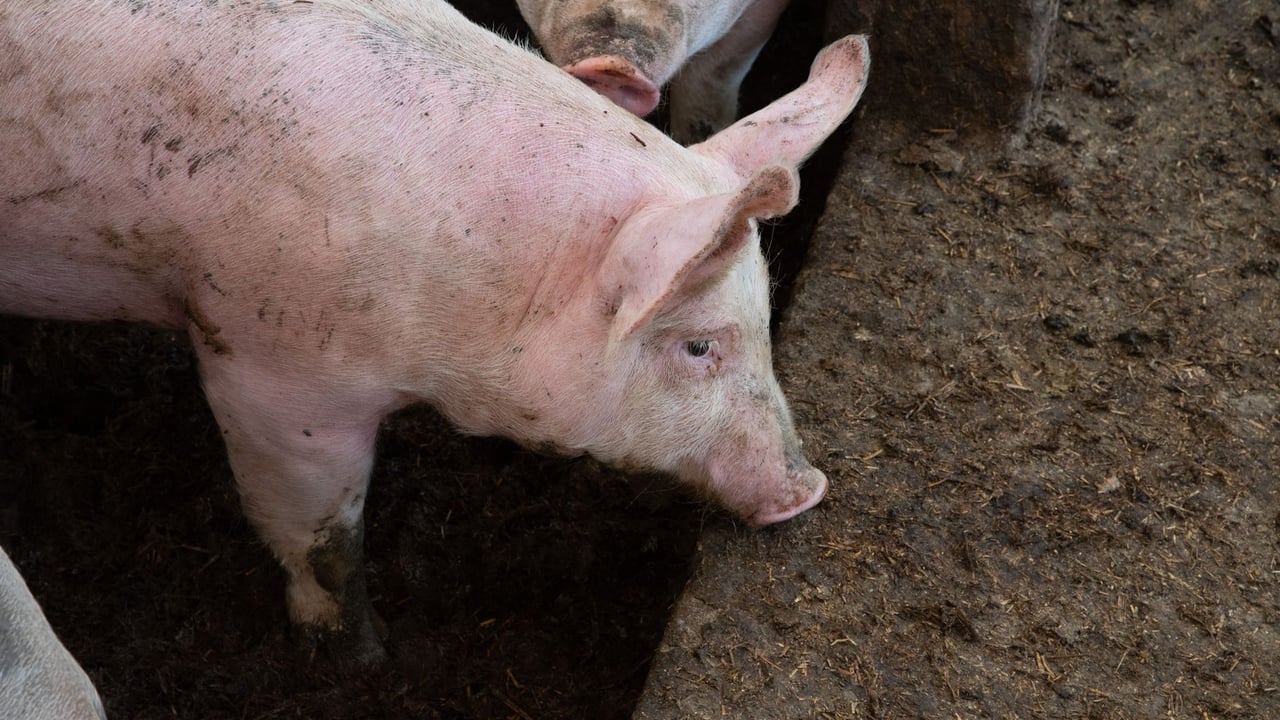

For Jin Guoping, a small-scale pig farmer in Jiangsu province, the rhythm of the Chinese countryside has long been dictated by the 'pig cycle'—the predictable rise and fall of pork prices that determines rural fortunes. Since 2019, however, the cycle has become increasingly erratic. The current downturn has been characterized by punishingly long periods of low prices and fleeting recoveries that vanish before farmers can bring their stock to market.
The economic toll is staggering. Independent farmers are currently losing roughly 400 yuan ($55) for every hog sold, with market prices frequently dipping below the cost of production. In early 2026, pork prices plummeted below 5 yuan per kilogram, a historic low that has forced many to sell at a loss just to stem the flow of red ink from mounting feed bills.
This structural crisis is largely driven by a fundamental shift in China’s agricultural landscape. Large corporate conglomerates now control up to 70% of the market. These giants possess the capital to withstand prolonged losses that would bankrupt individual households, effectively keeping the market oversupplied and preventing the price rebounds that smallholders like Jin depend on for survival.
Despite the carnage, a defiant and perhaps desperate sentiment persists among those who remain. As piglet prices crash to record lows, some farmers are choosing to double down, 'bottom-fishing' for cheap stock in a high-stakes bet that the next cycle will eventually turn in their favor. For many, it is a psychological battle against the 'sunk cost' fallacy, where exiting now would mean losing everything.
Survival strategies have become increasingly primitive. To minimize daily cash burn, farmers are slashing costs by reducing feed quality and frequency, opting for 'eighty percent full' feeding schedules rather than rapid fattening. The objective has shifted from maximizing profit to the grim reality of 'minimizing loss,' which is now the industry's new definition of success.
As roughly two-thirds of smallholders who face consecutive loss cycles choose to exit the industry, the social fabric of rural China faces a quiet transformation. The era of the independent 'Sanhu' farmer is giving way to industrial consolidation, leaving those like Jin to wonder if the 'spring' they are waiting for will ever truly return.