
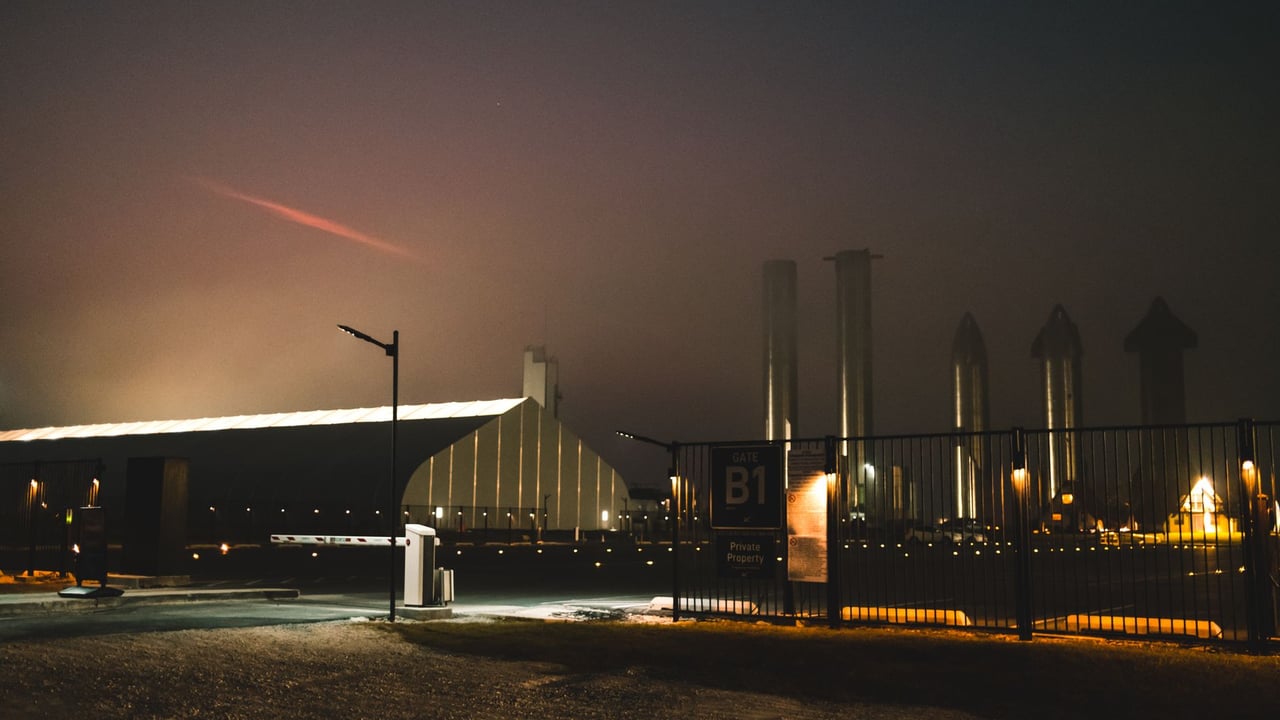

Elon Musk is increasingly leveraging his spacefaring empire to bolster his ambitions in the artificial intelligence sector. In a strategic pivot designed to regain lost ground in the AI arms race, SpaceX is reportedly redeploying dozens of its top Starlink and Starship engineers to overhaul the Grok AI model. This move comes as Grok, the flagship product of Musk’s xAI, faces a critical period of stagnating user growth and intense competition from entrenched rivals like OpenAI and Anthropic.
Musk recently announced that the pace of development for Grok has accelerated significantly, fueled by the technical expertise of engineers traditionally focused on orbital mechanics and satellite communications. This internal talent migration is coupled with an aggressive acquisition strategy, including a reported $60 billion deal for the AI programming startup Cursor. The synergy between these entities is already bearing fruit, with the latest iteration, Grok 4.5, currently undergoing closed-circuit testing within the operational frameworks of both Tesla and SpaceX.
Despite this injection of engineering prowess, the structural stability of Musk’s AI venture remains under scrutiny. Industry veterans have characterized xAI as a project in a state of perpetual reboot, noting that all eleven of the company’s original co-founders have departed as of mid-2026. This brain drain has been a primary catalyst for the company’s inability to keep pace with the rapid innovation cycles seen elsewhere in Silicon Valley, leading to significant volatility in SpaceX’s valuation as investors weigh the potential of AI against the risks of a looming tech bubble.
To bridge the gap between his disparate ventures, Musk has articulated a vision for 'orbital data centers'—a network of up to one million space-based nodes launched by Starship and powered by Starlink technology. This infrastructure is intended to provide the massive compute power necessary for training next-generation models without the terrestrial constraints of land and energy availability. Whether this grand architectural vision can materialize in time to save Grok from irrelevance remains the central question for the future of Musk’s multi-industry conglomerate.