
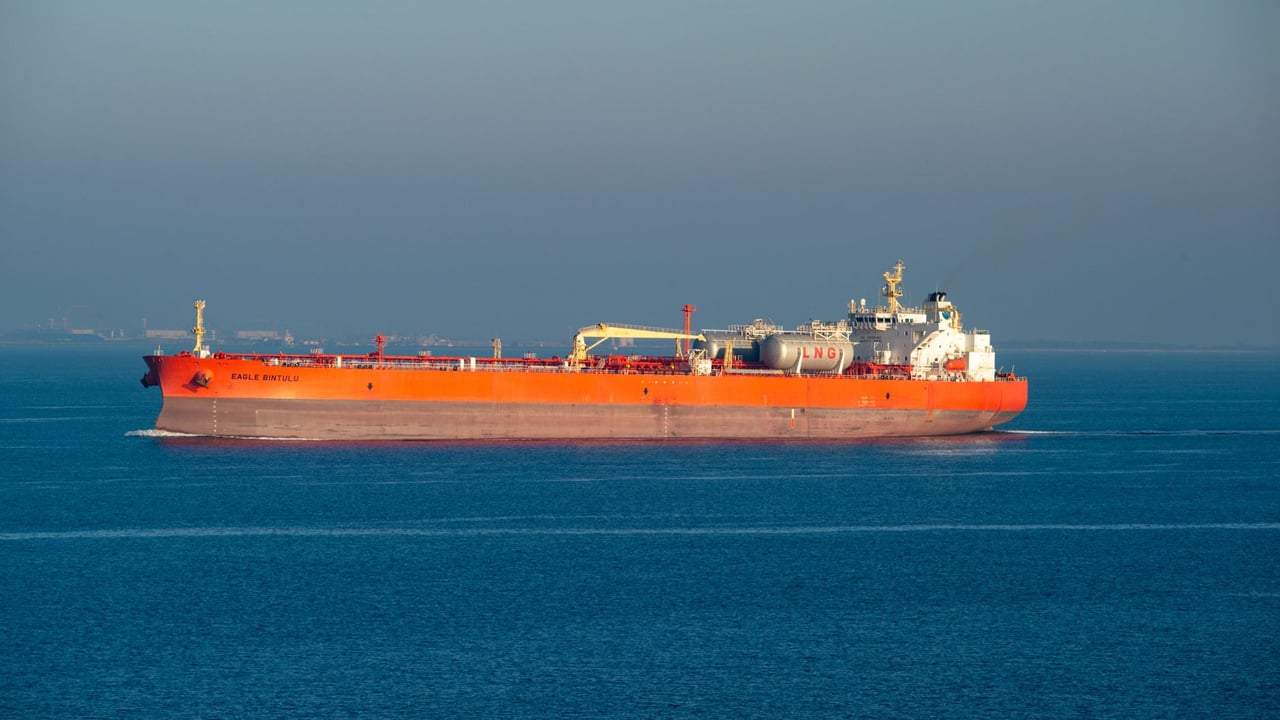

On June 30, the global maritime landscape shifted as China simultaneously delivered two domestically designed 174,000-cubic-meter liquefied natural gas (LNG) carriers. These 'mega-ships' represent the pinnacle of naval engineering, often referred to as the crown jewels of the shipbuilding industry due to the extreme technical challenges of transporting super-cooled fuel at minus 163 degrees Celsius.
Measuring 299 meters in length with a deck area equivalent to three standard football pitches, these vessels are not merely about size. They incorporate cutting-edge efficiency metrics and carbon-reduction technologies that reportedly lead the global industry, cutting daily CO2 emissions by approximately 10 tons compared to previous generations.
The significance of this delivery lies in its 'full-cycle' autonomy. By mastering everything from initial design to final construction without external reliance, China has effectively broken the long-standing South Korean stranglehold on the high-end LNG transport market. This move signals a transition from a low-cost manufacturing hub to a high-tech industrial powerhouse.
The commercial implications are already manifesting in a massive backlog of orders. Hudong-Zhonghua Shipbuilding now holds a portfolio of nearly 60 LNG carriers, commanding over 20% of the global market share. With production slots booked through 2031, the center of gravity for sophisticated maritime energy logistics is visibly drifting toward Chinese shipyards.