
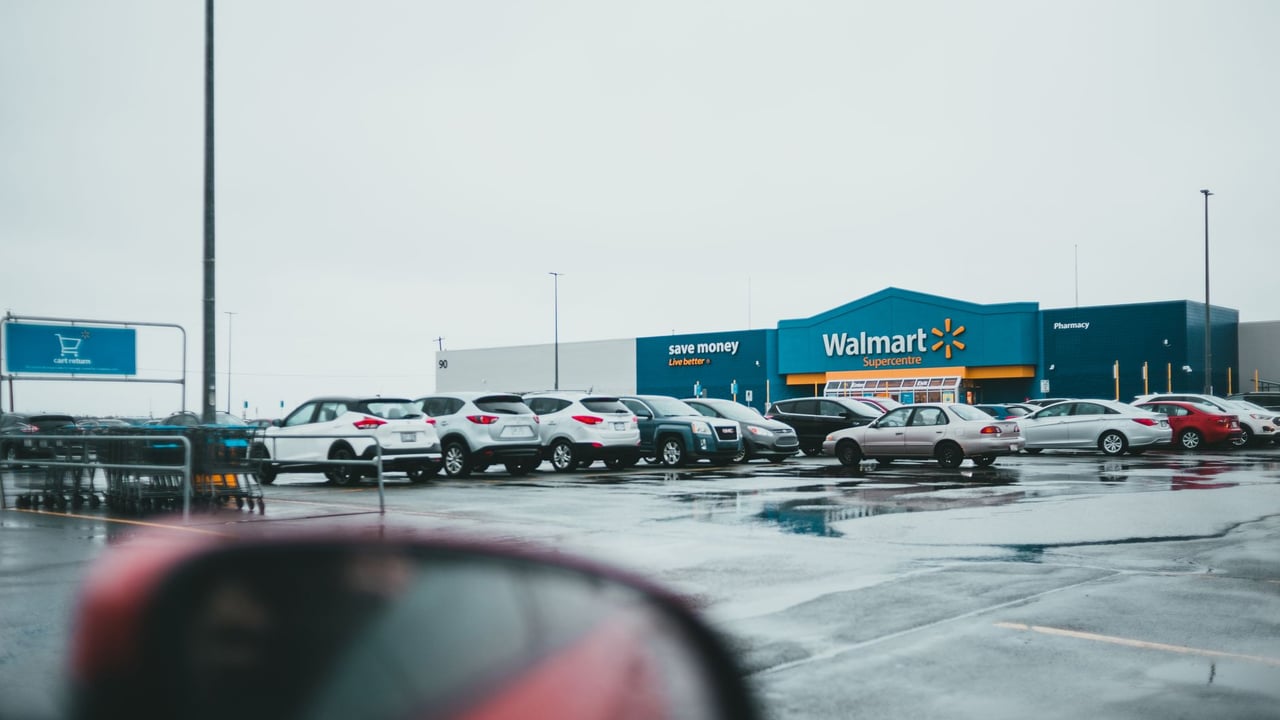

For years, Sam’s Club represented the gold standard of curated retail for China’s rising middle class. Membership was more than a transactional gate; it was a promise of 'premium selection' in a market often plagued by food safety concerns. However, a series of high-profile leadership changes in June 2026, including the appointment of Alibaba veteran Liu Peng as Chairman and the resignation of Chief Procurement Officer Zhang Qing, signals a fundamental identity crisis within the Walmart-owned giant.
The resignation of Zhang Qing is particularly symbolic. During her eight-year tenure, she championed a 'buyer culture' that prioritized product differentiation and rigorous supply chain vetting over raw sales volume. Under her watch, the club’s 'trust economy' flourished, convincing over 10 million members to pay annual fees of up to 680 RMB for the privilege of shopping in its aisles. But as the brand shifts toward a high-speed growth model, that cultural foundation is visibly cracking.
At the heart of the controversy is a string of startling food safety failures, ranging from metal fragments in rotisserie chickens to heavy metal contamination in dried fruits. These incidents coincide with an aggressive expansion phase that saw the store count jump to 67, with plans for 13 more in 2026 alone. This 'internet-speed' scaling, fueled by an influx of executives from tech giants like Alibaba and Hema, has reportedly shortened product development cycles from eighteen months to a mere ninety days.
The digital transformation has further complicated the quality promise. While Sam’s 'Cloud Warehouse' system now accounts for half of all sales through one-hour delivery, it has become a lightning rod for complaints. Customers frequently report receiving 'near-expiry' items, leading to accusations that the company uses its online channel to dump inventory that store-bound shoppers would reject. This creates a 'blind box' experience that is fundamentally at odds with the transparency a premium membership is supposed to guarantee.
Furthermore, the shelves are increasingly populated by mass-market brands like Orion and Wei Long, which are readily available in any local convenience store. This dilution of exclusivity has prompted many members to question the utility of their high-priced entry tickets. When a premium club begins to look and act like a mass-market supermarket, it risks losing the very demographic that fueled its initial success: the discerning consumer willing to pay for peace of mind.