
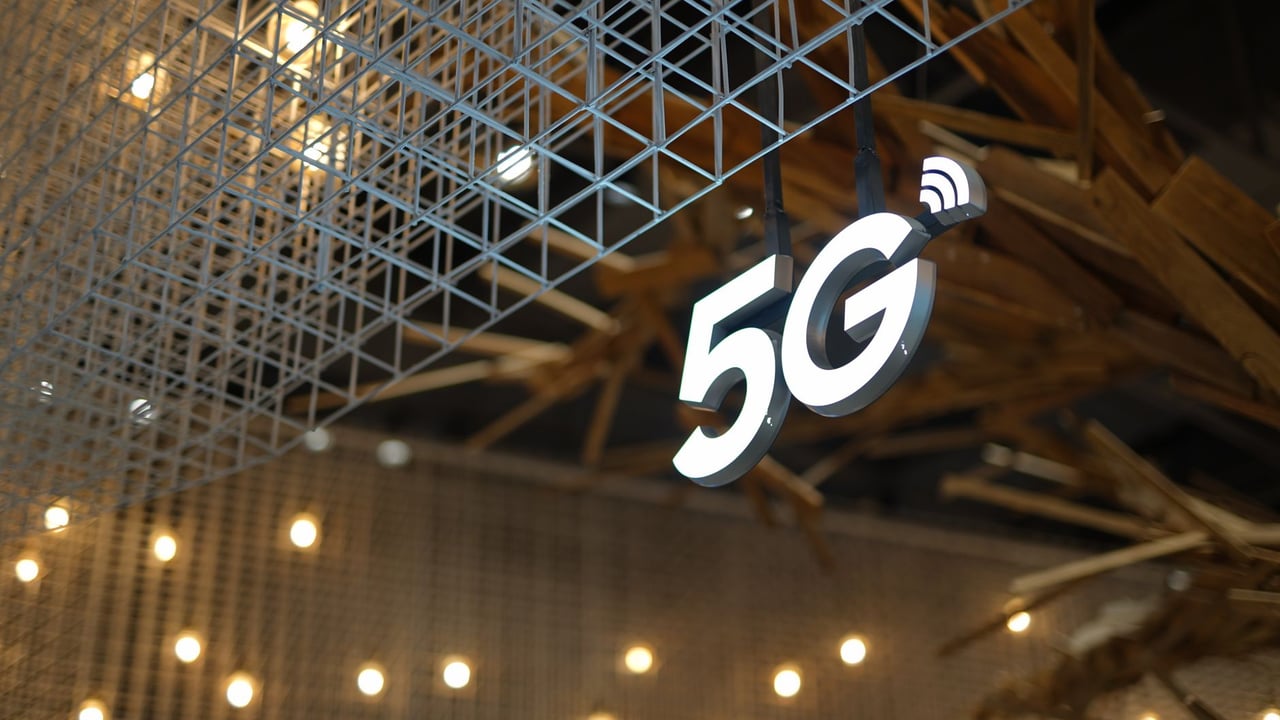

China has unveiled an ambitious blueprint to cement its position as the world’s preeminent digital-industrial power, signaling a massive state-led push to integrate advanced connectivity with traditional manufacturing. A joint directive issued by eight of the country’s most powerful administrative bodies, including the Ministry of Industry and Information Technology (MIIT) and the People’s Bank of China, outlines a comprehensive strategy to evolve the 'Industrial Internet' from a nascent infrastructure into the backbone of the national economy by 2030.
At the heart of this initiative is a set of staggering infrastructure targets designed to achieve scale that dwarfs global competitors. The plan mandates the deployment of 50,000 industrial 5G private networks and the creation of at least five integrated platforms with global influence within the next six years. By 2030, the government expects the core value of the industrial internet sector to exceed 2.5 trillion RMB ($345 billion), transforming it into a primary engine for what Beijing terms 'New Quality Productive Forces.'
Beyond simple connectivity, the policy emphasizes a fundamental shift toward a data-driven industrial logic. It calls for the complete coverage of 207 industrial sub-categories and the establishment of a robust system for industrial data assets. This includes the integration of generative AI and large language models (LLMs) into factory floors, moving toward 'Industrial Twins' and autonomous decision-making systems that can optimize production in real-time. The ultimate horizon is 2035, by which time China intends to possess a globally leading infrastructure that fully supports its 'New Industrialization' goals.
The document also addresses the critical vulnerabilities inherent in such a massive digital shift. It mandates that 80% of large-scale industrial enterprises meet specific cybersecurity classification and grading standards by 2030. By linking financial support, intellectual property protection, and international standard-setting with these technical goals, Beijing is attempting to create a self-sustaining ecosystem where digital innovation and physical manufacturing are no longer distinct sectors but a singular, high-efficiency entity.