
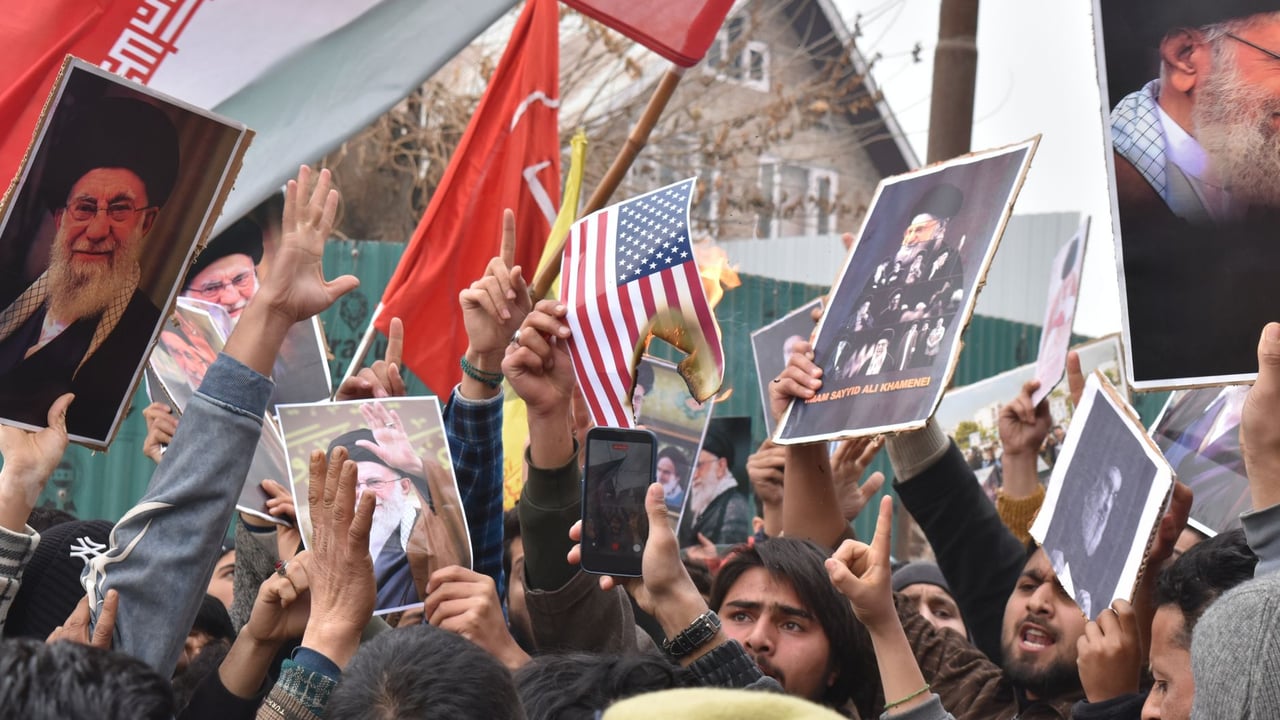

The announcement of a multi-day, trans-border funeral itinerary for Iran's late Supreme Leader, Ali Khamenei, marks more than a moment of national mourning; it is a meticulously choreographed display of state power and regional influence. Purjamshidian, Secretary General of the Revolutionary Martyrs' Memorial Committee, confirmed that ceremonies will span from Tehran and the religious centers of Qom and Mashhad to the Shia heartlands of Iraq. This strategic geography underscores the Islamic Republic’s enduring claim to leadership within the wider Shia world.
International legitimacy remains a central objective for the regime as it navigates this sensitive transition. Tehran claims that officials from over 30 countries and religious scholars from 90 nations will attend the official tribute on July 3. By inviting a broad spectrum of global dignitaries, the Iranian government seeks to signal that despite the loss of its long-serving pivot point, the state remains stable and internationally recognized. The participation of foreign delegates serves as a crucial buffer against perceptions of internal vulnerability.
The inclusion of Iraq in the funeral proceedings—specifically the holy cities of Najaf and Karbala—highlights the geopolitical 'Axis of Resistance' that Khamenei spent decades cultivating. Holding ceremonies in Iraq on July 8 is a powerful symbolic gesture intended to blur the lines between Iranian and Iraqi religious authority. It reinforces the notion that the Supreme Leader’s legacy transcends national borders, cementing a cross-border religious identity that Tehran views as essential to its regional security architecture.
Domestically, the scale of the mobilization is immense. The government has declared public holidays and overhauled transportation networks to facilitate massive crowds in Tehran and Mashhad, where the burial will finally occur on July 9. Such mass gatherings are high-stakes events for the security apparatus, serving simultaneously as a vent for public grief and a tool for the regime to demonstrate its ability to command the streets. The final burial in Mashhad, Khamenei's birthplace and a major pilgrimage site, seeks to frame his tenure within a narrative of divine favor and historical inevitability.