
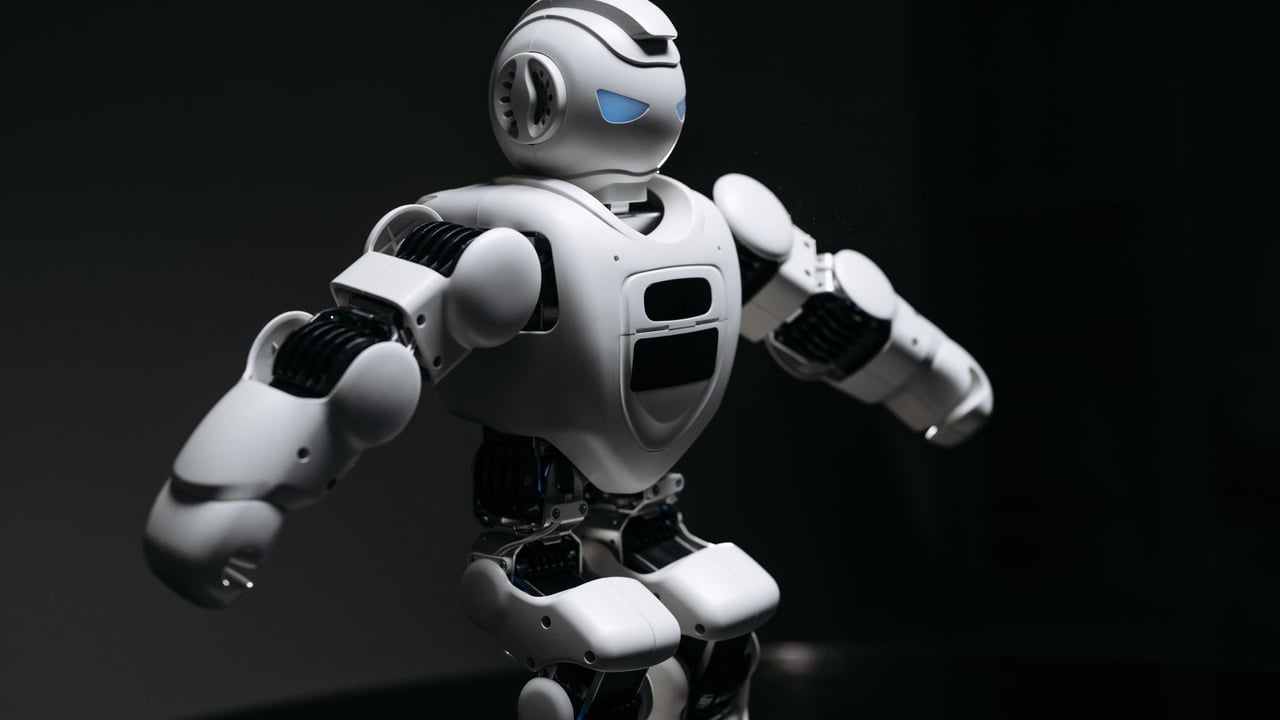

In a strategic fusion of high technology and soft power, Chinese Foreign Ministry spokesperson Mao Ning recently showcased a vision of the future where the 'Made in China' label transcends industrial machinery to enter the intimate spheres of the home. The video shared by the ministry features humanoid robots undergoing a form of digital tutelage, learning to master the mundane yet complex tasks of cleaning, cooking, and folding laundry by mimicking human motions. This public endorsement signals that Beijing views embodied artificial intelligence not merely as a commercial frontier, but as a core component of its national identity and diplomatic narrative.
The transition from rigid industrial automation to fluid domestic assistance represents a significant leap in 'embodied AI.' Unlike their predecessors, these robots are being trained through imitation learning—a process where machine learning models analyze human behavior to replicate nuanced physical interactions. This technological shift is crucial for China, which is racing to close the gap with global leaders like Tesla’s Optimus and Boston Dynamics. By moving the conversation from the factory floor to the living room, Beijing is positioning its robotics sector as a versatile solution to both global consumer needs and internal structural challenges.
Beyond the technological spectacle lies a deeper demographic urgency. China is grappling with a rapidly aging population and a shrinking workforce, a trend that threatens to dampen long-term economic productivity. The development of 'domesticated' humanoid robots is increasingly seen as a strategic hedge against this silver tsunami. If these machines can successfully transition from the lab to the household, they could alleviate the burden of elderly care and domestic labor, effectively augmenting the labor force without the need for immigration or a dramatic reversal in birth rates.
Furthermore, the Foreign Ministry's involvement in promoting these advancements highlights a shift in China’s international communication strategy. By focusing on robots that perform relatable, helpful tasks, the state seeks to soften the image of its technological rise. This 'robotic diplomacy' frames China’s AI ambitions as a benevolent force for human progress, aiming to counter international narratives that focus primarily on the security risks or military applications of Chinese-made technology. The message is clear: the future of Chinese innovation is as much about the kitchen as it is about the keyboard.