The Invisible Toll: Ebola’s Economic Shadow Threatens to Pull Millions into Poverty

The UNDP warns that the Ebola outbreak in the Democratic Republic of the Congo is evolving into a profound socio-economic crisis, potentially pushing nearly one million people into poverty. With regional trade paralyzed and job losses mounting, the economic fallout could reach $3.6 billion, disproportionately affecting women across Central Africa.

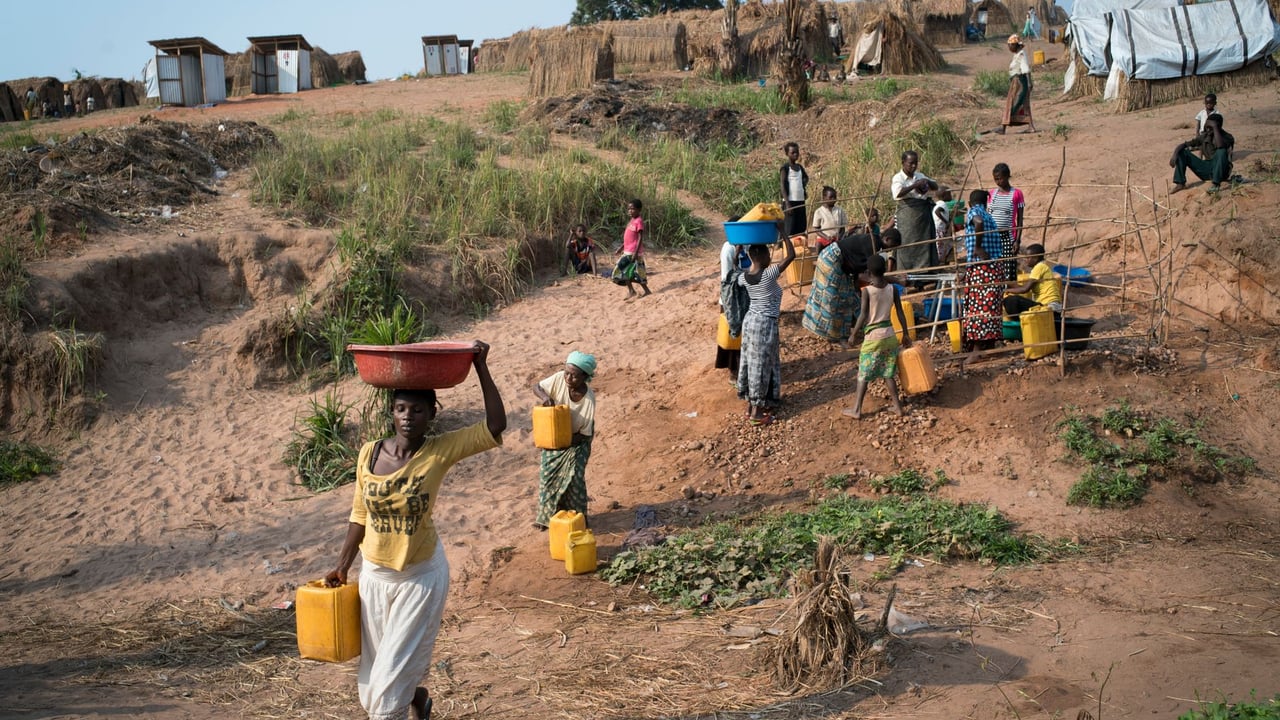
A group of villagers gathers water near Kalemie, DR Congo, showcasing daily rural life.

Key Takeaways

  • 1Nearly 985,000 people are at risk of falling into poverty due to the Ebola outbreak.
  • 2Women are suffering the most significant impacts in terms of both health and economic stability.
  • 3The economic shock extends to neighboring Uganda, Rwanda, and South Sudan due to trade and travel restrictions.
  • 4Potential economic losses for the African continent could reach $3.6 billion if the crisis worsens.
  • 5Tens of thousands of jobs are expected to be lost across the region.

Editor's
Desk

Strategic Analysis

The UNDP’s projections highlight a critical failure in global health security: the recurring inability to decouple disease containment from economic strangulation. For the DRC and its neighbors, the 'poverty shock' often outlasts the virus itself, creating fertile ground for future social instability and displacement. The $3.6 billion loss figure is a sobering reminder that public health in sub-Saharan Africa is inextricably linked to regional trade integrity. From a strategic perspective, this suggests that future pandemic preparedness must involve 'economic biosecurity'—safeguarding supply chains and informal trade routes even as medical quarantines are implemented. Without such a dual-track approach, the victory over the virus will remain a pyrrhic one, leaving a legacy of economic devastation.

China Daily Brief Editorial
Strategic Insight
China Daily Brief

The Democratic Republic of the Congo (DRC) is facing a crisis that extends far beyond the clinical confines of isolation wards. A new report from the United Nations Development Programme (UNDP) warns that the current Ebola outbreak is morphing into a catastrophic socio-economic emergency. The agency estimates that as many as 985,000 people could be pushed below the poverty line as the contagion destabilizes local markets and national budgets.

The human cost is particularly acute for women, who bear the brunt of both the epidemiological risk and the economic fallout. Often serving as primary caregivers and dominant figures in the informal retail sector, women find their livelihoods evaporated by quarantine measures and reduced mobility. This gendered impact threatens to reverse decades of progress in financial independence and maternal health across the region.

Geographic proximity means the crisis is no longer contained within the DRC’s borders. Neighboring nations, including Uganda, Rwanda, and South Sudan, are already feeling the shockwaves of trade disruptions and stringent travel restrictions. These preventative measures, while necessary for biosecurity, have effectively strangled the cross-border commerce that sustains millions of households in Central Africa.

If the outbreak continues to intensify, the aggregate economic damage to the African continent could soar to a staggering $3.6 billion. The loss of tens of thousands of jobs in the agricultural and service sectors is creating a vacuum that state social safety nets are ill-equipped to fill. Without a coordinated international intervention that prioritizes economic resilience alongside medical aid, the region faces a long-term developmental setback.

Share Article

Related Articles

📰
No related articles found