
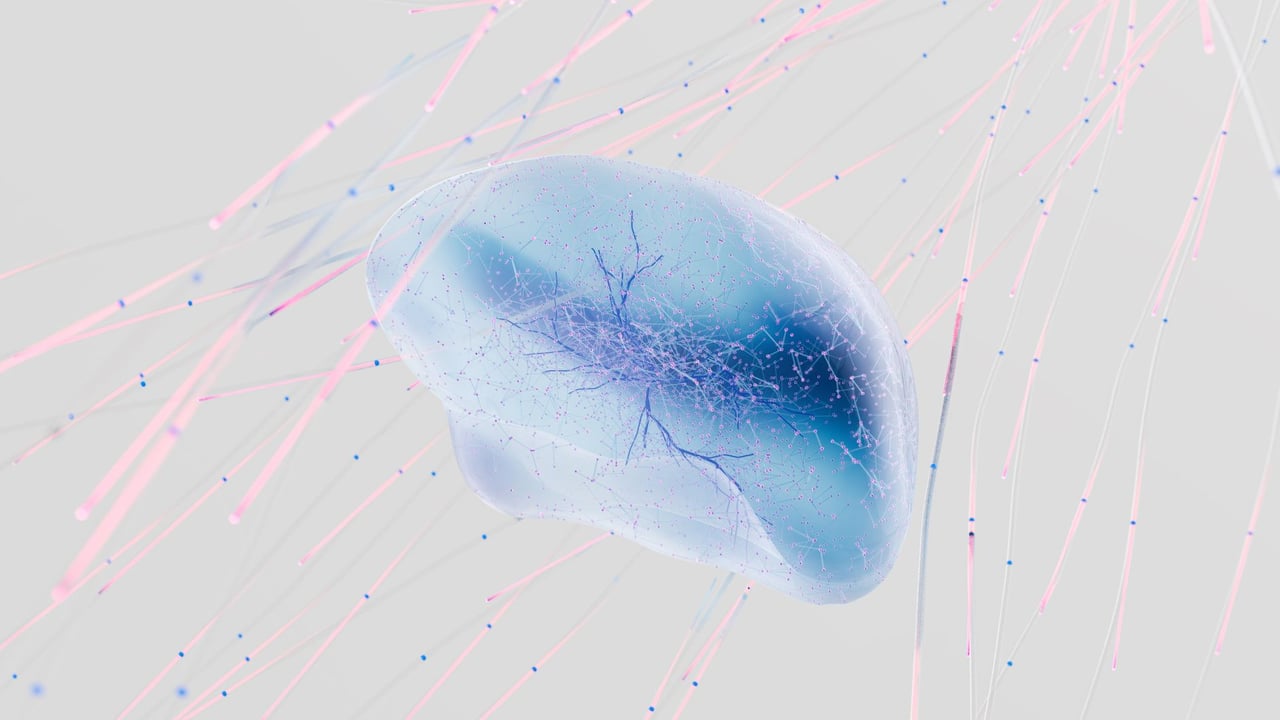

Anthropic has officially launched Claude Science, a specialized AI workbench designed to pivot its large language model capabilities toward the rigorous demands of scientific discovery. The platform aims to serve as a co-pilot for researchers, automating the logistical and repetitive burdens that often stifle innovation in the laboratory. By streamlining data processing and literature synthesis, Anthropic is positioning itself at the forefront of the 'AI for Science' movement.
This release comes at a pivotal moment for the artificial intelligence industry, which is shifting from general-purpose chatbots to vertical-specific applications. Claude Science is not merely a conversational interface but a structured environment where scientists can integrate datasets and automate complex workflows. Early reports from the ecosystem suggest that specialized versions of these models have already begun solving long-standing academic hurdles, including a decades-old mathematical problem that a recent iteration of the model reportedly cracked in under an hour.
The launch highlights the growing divide between consumer AI and professional-grade research tools. While general models like GPT and Claude have long been used for basic drafting and coding, the scientific community requires higher precision and lower hallucination rates. By dedicating a platform specifically to this sector, Anthropic aims to reduce the time-to-insight for researchers in fields ranging from genomics to material science, where the volume of data has long outpaced human processing capacity.
However, the move also reflects the intense competitive landscape of 2026. With rivals like OpenAI and Meta constantly adjusting their compute allocations and specialized offerings, Anthropic’s focus on the academic and R&D sector provides a strategic moat. As institutional users demand more control over their proprietary research data, the introduction of Claude Science suggests a future where AI is not just a tool for writing, but a fundamental infrastructure for the next generation of scientific breakthroughs.