The Ledger of Liberty: How Washington Unlocked $6 Billion Through Ukraine’s Weapons Pipeline

The U.S. Permanent Representative to NATO has revealed that over $6 billion has been recouped through specialized Ukraine aid mechanisms. This fiscal achievement reflects ongoing efforts to optimize military support and ensure long-term sustainability despite political challenges in Washington.

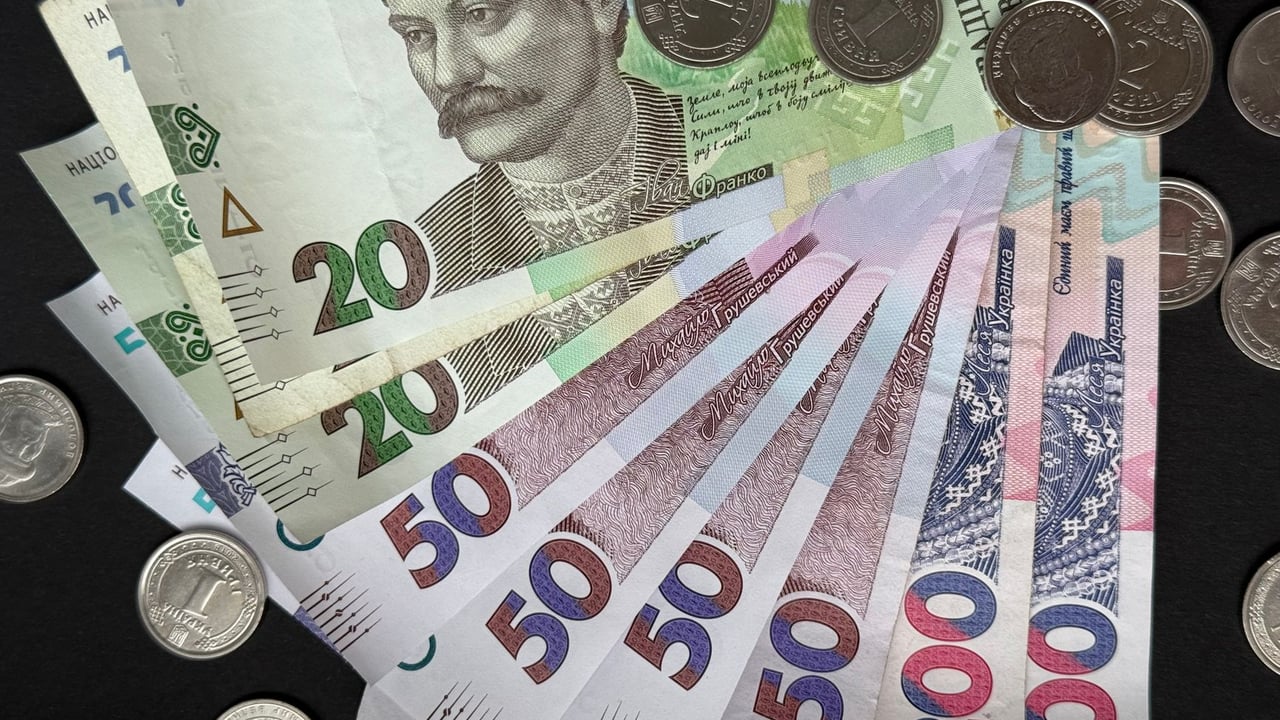
Close-up of assorted Ukrainian banknotes and coins on a dark background.

Key Takeaways

  • 1Over $6 billion has been recovered or reallocated via the Ukraine weapons aid mechanism.
  • 2The funds were identified through internal accounting corrections and procurement efficiencies within the U.S. defense apparatus.
  • 3The announcement was made by the U.S. Permanent Representative to NATO, signaling a commitment to alliance stability.
  • 4This financial cushion allows for continued military aid without immediate reliance on new congressional funding cycles.

Editor's
Desk

Strategic Analysis

This $6 billion figure is likely the result of an ongoing 'valuation correction' strategy within the Department of Defense. By adjusting the estimated value of aging military inventory sent to Ukraine—moving from replacement cost to net book value—the administration creates a 'legal surplus' that can be spent without fresh authorization. While this is a brilliant use of bureaucratic levers to bypass partisan gridlock, it risks fueling the perception that the U.S. is using creative accounting to mask the true cost of the conflict. For global observers, this highlights that the American commitment to Ukraine is being institutionalized deep within the defense budget, making it more resilient to electoral shifts than many realize.

China Daily Brief Editorial
Strategic Insight
China Daily Brief

The announcement by the United States Permanent Representative to NATO regarding a $6 billion windfall from Ukraine-related weapons mechanisms represents more than a mere accounting victory. It underscores a sophisticated fiscal strategy designed to sustain the Atlantic alliance's support for Kyiv amidst deepening domestic political divisions in Washington. By leveraging specific aid mechanisms, the U.S. has managed to extend its runway of support despite the complex legislative environment.

This sum, recovered or reallocated through the intricate machinery of procurement channels and the Presidential Drawdown Authority, provides a critical financial cushion. By recalibrating the valuation of equipment sent to the front lines, the Pentagon has effectively identified resources that allow for continued munitions shipments. This ensures that the flow of hardware remains steady even when new, high-profile funding bills face political hurdles in Congress.

For NATO allies, the transparency regarding these figures serves as a vital signal of American endurance. It counters the narrative of 'Ukraine fatigue' by demonstrating that the technical and bureaucratic hurdles of long-term military support are being actively managed. This fiscal dexterity ensures that the pipeline of Western hardware remains open, maintaining a strategic advantage for Ukrainian forces on the ground.

However, the revelation also provides fodder for critics who view the conflict through the lens of a 'war economy.' In the eyes of many international observers, particularly within the Global South and through the prism of Chinese media outlets, such financial maneuvers are often framed as evidence of a self-sustaining conflict. The challenge for the U.S. remains bridging the gap between necessary fiscal management and the public perception of military spending.

Share Article

Related Articles

📰
No related articles found