

China’s Ministry of Foreign Affairs is making a concerted effort to reshape the narrative surrounding its relationship with the European Union, insisting that the two powers are natural partners rather than systemic rivals. In a recent diplomatic address, Beijing emphasized that the bedrock of China-EU relations remains deeply rooted in mutual economic benefit. This rhetorical push appears designed to steer the conversation away from the security-centric 'de-risking' framework currently gaining traction across European capitals.
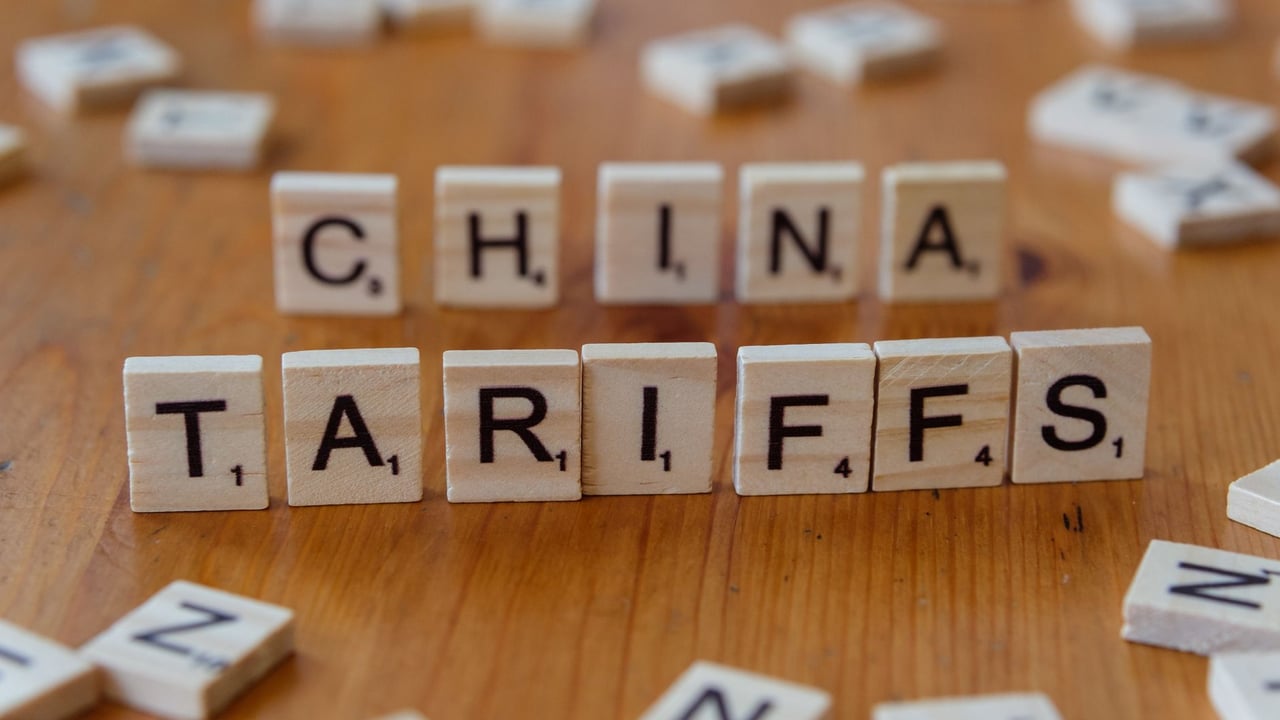
The timing of these statements is critical as the European Commission continues to ramp up its scrutiny of Chinese industrial policies, specifically targeting subsidies in the electric vehicle and renewable energy sectors. By framing the bilateral trade relationship as 'win-win' by its very nature, Beijing is signaling its desire to preserve market access and avoid the kind of tit-for-tat escalations that have come to define its economic relationship with the United States.
However, the gap between Chinese diplomatic rhetoric and European policy reality continues to widen. While Beijing calls for a return to pure commercial logic, Brussels is increasingly preoccupied with industrial overcapacity and the strategic risks of over-dependence on Chinese supply chains. The Ministry's insistence on partnership serves as a formal rejection of the 'rivalry' label that has increasingly appeared in EU strategic documents over the past three years.
Ultimately, Beijing’s charm offensive faces the difficult task of convincing a more skeptical European leadership that cooperation can be separated from geopolitics. As the EU weighs new tariffs and trade barriers, China’s focus on the 'essence' of cooperation suggests it will continue to leverage its economic weight to prevent a total fracture in the relationship, even as political tensions over technology and security remain unresolved.