
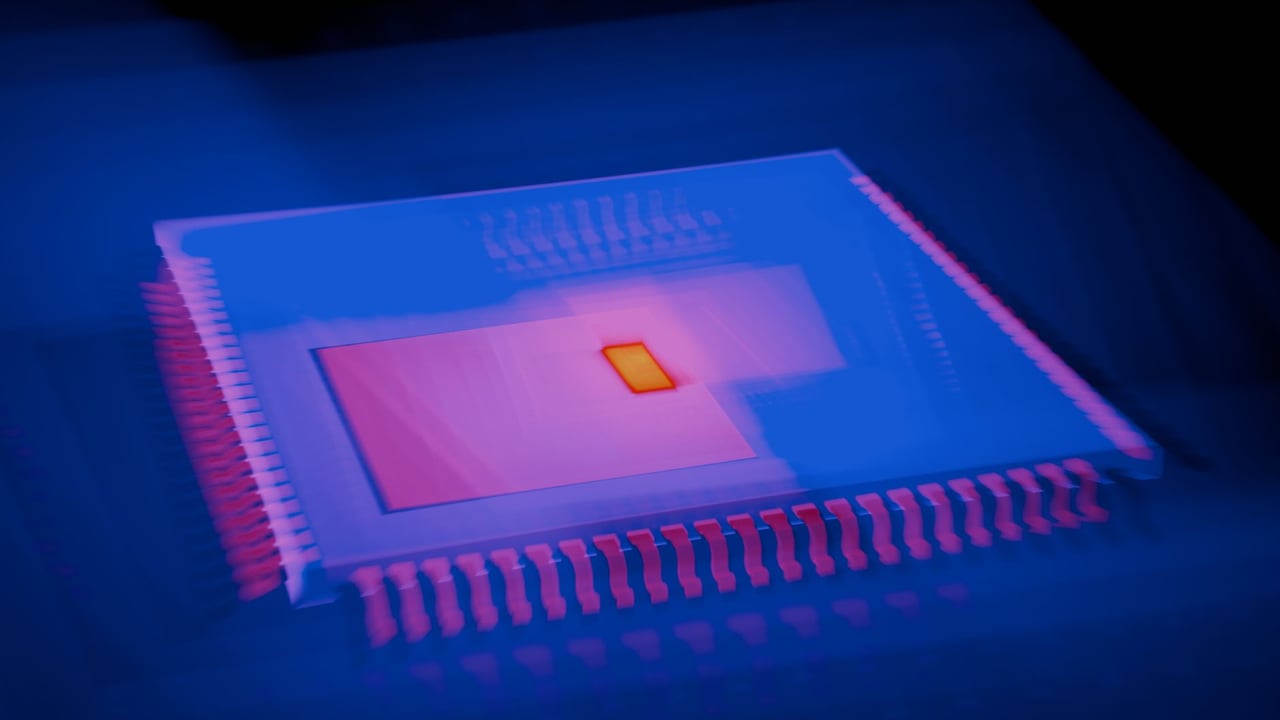

For over a decade, Telink Semiconductor was content to be the invisible thread connecting the modern world. Founded in 2010 and recently listed on Shanghai’s STAR Market, the company established itself as a top-tier designer of low-power wireless System-on-Chips (SoCs). However, CEO Sheng Wenjun, a veteran of Qualcomm and Silicon Labs, recognizes that the era of simple connectivity is drawing to a close as artificial intelligence moves to the periphery of the network.
The global rise of generative AI and the demand for real-time processing is forcing a fundamental rethink of the Internet of Things (IoT). Sheng argues that the industry is shifting rapidly from basic connectivity to the creation of "intelligent nodes." In this new paradigm, every terminal device—from a smart remote to a wearable—must possess the ability to perceive, calculate, and interact locally without constant, power-hungry reliance on a centralized cloud.
To navigate this transition, Telink is reinventing itself as a "platform company" rather than a mere component vendor. This involves a significant financial and structural commitment. Despite a recent dip in short-term profits, the firm has poured over 530 million yuan into R&D over the last three years. With 73% of its workforce dedicated to engineering, the goal is to integrate Neural Processing Units (NPUs) directly into wireless chips, allowing for local AI execution at ultra-low power levels.
Telink’s ambitions are notably global, a strategy that sets it apart from many domestic peers focused solely on the internal Chinese market. By holding seats on the boards of the Bluetooth Special Interest Group (SIG) and the Connectivity Standards Alliance (CSA), the company is actively shaping international protocols like Matter and Bluetooth Mesh. Its chips already power hardware for global tech giants such as Google, Amazon, and Logitech, proving its ability to meet rigorous international standards.
This international footprint is central to Sheng’s vision of avoiding the "homogenized price wars" that often plague the domestic semiconductor sector. By focusing on high-growth areas like high-performance gaming peripherals, medical devices, and smart audio, Telink aims to build an ecosystem where software and hardware are inextricably linked. The company’s evolution reflects a broader trend among Chinese chipmakers seeking to move up the value chain from manufacturing to architectural leadership.