
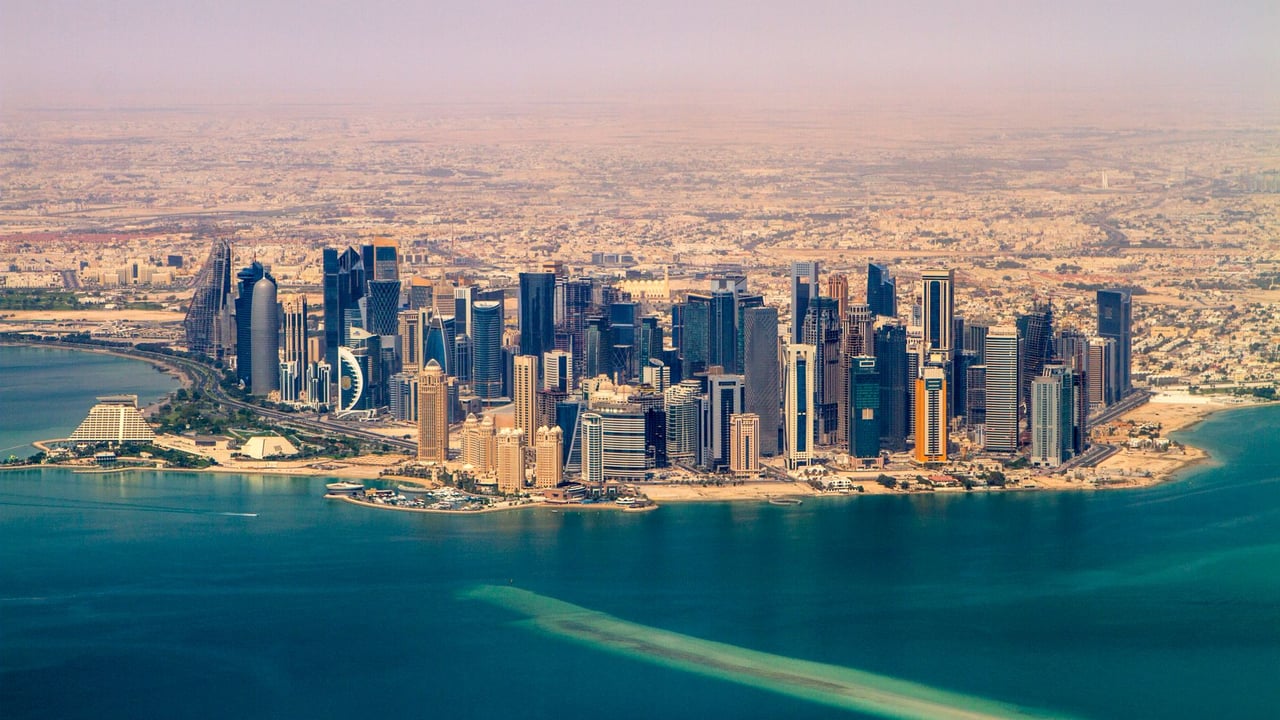

The fragile detente between Washington and Tehran is facing its most rigorous test yet as both nations prepare to return to the negotiating table in Doha. Following a series of destabilizing mutual military strikes that threatened to scrap a barely two-week-old memorandum of understanding, senior officials from both sides have indicated a willingness to halt hostilities and focus on the immediate crisis in the Strait of Hormuz. This resumption of diplomatic contact offers a narrow window of hope for salvaging a temporary ceasefire that appeared to be on the brink of total collapse only days ago.
Central to these discussions is the increasingly chaotic maritime situation in one of the world's most vital energy arteries. Reports indicate that the Strait has been subdivided into three competing navigation channels—one controlled by Iran, another by Oman, and a third managed by UN-backed international bodies. This logistical nightmare has left global shipping operators navigating not just treacherous waters but a geopolitical minefield where a single miscalculation could reignite a broader conflict. Iran's proposal to levy "service fees" for transit has further complicated the legal and economic landscape of the waterway.
The diplomatic process remains shrouded in a characteristic blend of optimism and strategic denial. While President Trump has publicly confirmed the talks via social media, citing an Iranian request for dialogue, Tehran's rhetoric remains more guarded. Iranian Deputy Foreign Minister Garibabadi has downplayed the scheduled technical talks, likely to maintain domestic political leverage and signal that the Islamic Republic will not be coerced into concessions without substantial and immediate sanctions relief.
The stakes extend far beyond maritime routes, involving the unfreezing of approximately $6 billion in Iranian assets and complex maneuvers regarding the conflict in Lebanon. Tehran has signaled that its cooperation is contingent on a cessation of hostilities in Lebanon and an Israeli withdrawal—a core pillar of the broader regional stability the current administration is desperate to secure. As negotiators gather in Qatar, the world is watching to see if this memorandum of understanding can evolve from a shaky ceasefire into a durable framework for regional de-escalation.