Chasing the Silicon Dream: Why China's Struggling Manufacturers are Pivoting to Chips

Struggling weighing-instrument maker Haichuan Intelligence is pivoting to the semiconductor industry by acquiring a stake in a loss-making gallium arsenide firm, highlighting a broader and risky trend of non-tech Chinese companies 'crossing borders' into the chip sector to revive failing profits.

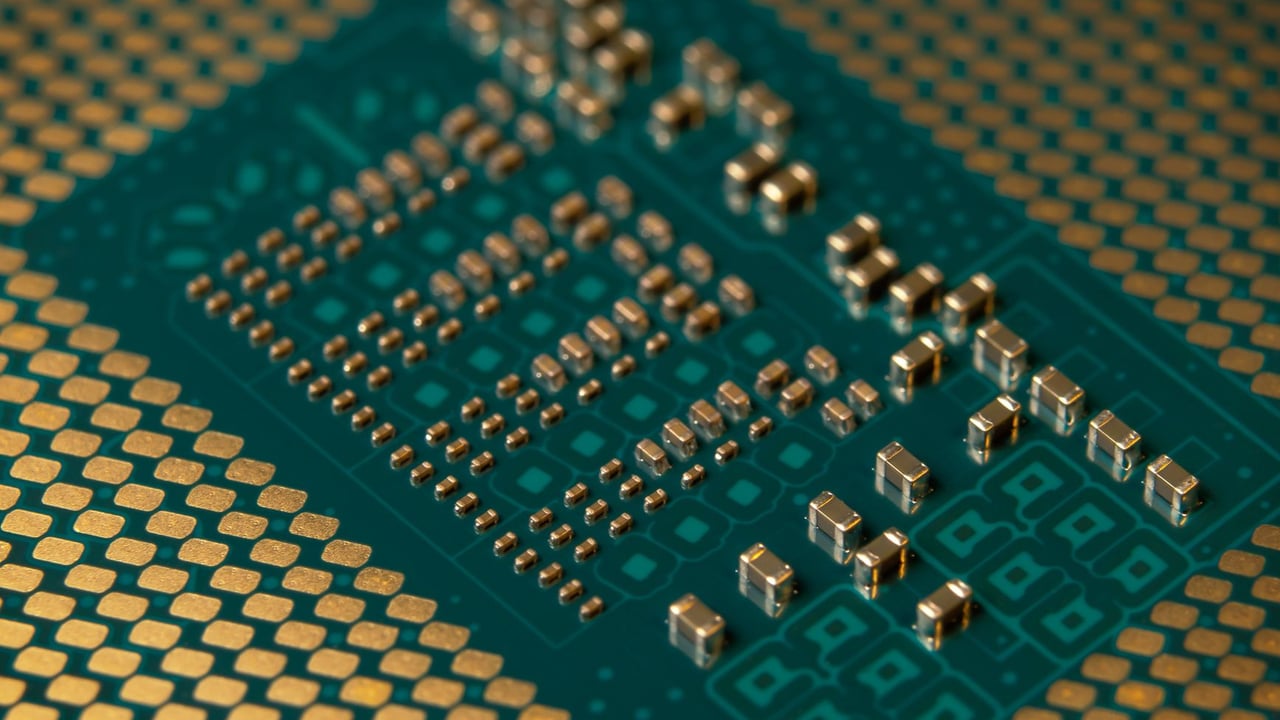
Detailed close-up of a microprocessor circuit board showcasing intricate circuitry and components.

Key Takeaways

  • 1Haichuan Intelligence (300720) is investing 130 million yuan for a 15.3% stake in Nanjing Jiyi Semiconductor Technology.
  • 2The acquisition is a 'border-crossing' pivot for Haichuan, whose core business in automatic weighing machines saw profits drop 51% in 2025.
  • 3Nanjing Jiyi is currently loss-making, with a net loss of 28 million yuan in 2025 and negative operating cash flows.
  • 4The deal is part of a wider H1 2026 trend where traditional Chinese companies in sectors like timber and lighting are aggressively buying into semiconductor assets.
  • 5Market analysts are raising concerns regarding the high valuations and lack of industrial synergy in these speculative tech pivots.

Editor's
Desk

Strategic Analysis

This wave of 'cross-border' semiconductor acquisitions is a symptom of both structural stagnation in China's traditional manufacturing sectors and the powerful gravitational pull of state-led 'Hard Tech' investment. For firms like Haichuan, whose core business is maturing or declining, the semiconductor label acts as a potential lifeline for stock valuations and access to local government subsidies. However, the move into compound semiconductors like Gallium Arsenide—a sector dominated by specialized global players—requires immense R&D and capital expenditure that a struggling weighing-scale firm is ill-equipped to provide. This trend risks creating a 'zombie pivot' scenario where capital is misallocated into high-tech sectors by low-capability actors, potentially leading to a localized bubble of inefficient, small-scale chip ventures that lack the scale to compete globally.

China Daily Brief Editorial
Strategic Insight
China Daily Brief

Haichuan Intelligence, a long-standing manufacturer of mundane automatic weighing machines, has become the latest entity to succumb to the allure of China’s 'chip fever.' By pledging 130 million yuan for a minority 15.3% stake in Nanjing Jiyi, a loss-making startup specializing in gallium arsenide (GaAs) wafers, Haichuan is attempting a radical strategic pivot. The move reflects a growing trend among mid-cap Chinese firms seeking to escape stagnant traditional industries for the high-tech frontiers prioritized by Beijing's industrial policy.

The financial backdrop for this 'border-crossing' venture is notably bleak. Haichuan’s net profit plummeted by more than 50% in 2025, a slide that has persisted into the first quarter of 2026 despite a slight recovery in top-line revenue. Its target, Nanjing Jiyi, is equally troubled; the semiconductor firm recorded a net loss of over 28 million yuan last year and continues to suffer from negative operating cash flow. Despite these red flags, Haichuan is paying a significant premium over the target's book value, banking on a 'second growth curve' in the semiconductor materials space.

This phenomenon is far from an isolated incident. Throughout the first half of 2026, the A-share market has witnessed a parade of listed companies—ranging from forestry product manufacturers to lighting specialists and furniture makers—forcefully cutting into the semiconductor supply chain. These firms are utilizing cash reserves to acquire assets in storage modules, high-end electronic materials, and integrated circuits, often with little to no prior industry expertise or technical synergy with their core operations.

While diversification is a classic corporate strategy to mitigate risk, the current wave of cross-industry acquisitions in China carries a distinct air of speculative urgency. For firms already struggling with core business operations, the high capital intensity and steep learning curve of the semiconductor industry present a formidable challenge. Analysts warn that without a clear integration strategy, these moves may lead to further financial instability rather than the high-tech salvation these companies desperately seek.

Share Article

Related Articles

📰
No related articles found