
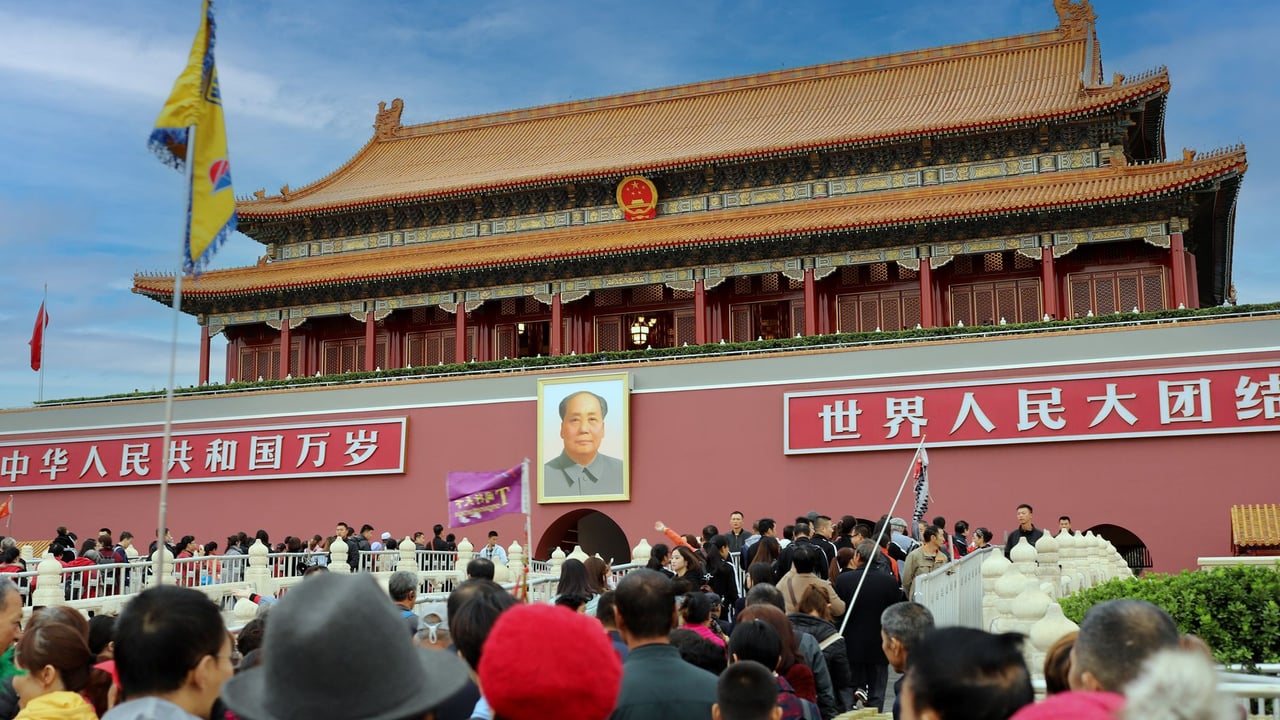

As the Chinese Communist Party (CPC) marks its 105th anniversary, the nation has been transformed into a living museum of revolutionary history. From the mist-shrouded peaks of Zunyi to the urban sprawl of Beijing, the party is leveraging high-profile rituals to bridge the gap between its radical origins and its modern status as a global superpower. These celebrations are not merely nostalgic; they are a calculated effort to fortify the 'Great Party Building Spirit' among a new generation of cadres.
In key revolutionary sites such as the Zunyi Meeting Museum and the Jiangtaipu Long March Memorial, new members have been inducted through solemn swearing-in ceremonies. These acts of public devotion serve to reinforce the party's ideological foundation, ensuring that the 'Red DNA' is passed down to those who will lead China through the mid-21st century. The emphasis on historical sites illustrates the party's strategy of using 'Red Tourism' as a pedagogical tool for nationalistic education.
The capital itself has unveiled the 'Awakening Journey,' a curated cultural route that connects the roots of Chinese Marxism to the seat of modern power at Tiananmen Square. By linking the 'New Youth' editorial office with contemporary landmarks, the leadership is crafting a narrative of historical inevitability. This curated history suggests that the party’s path from a clandestine group to the world's largest political organization was a linear progression toward national rejuvenation.
Simultaneously, the People’s Liberation Army (PLA) has integrated these celebrations into its broader mandate of political loyalty. Units across the military have engaged in 'theme party days' to ensure that the spirit of the revolution translates into modern combat readiness. For the military, the 105th anniversary is an opportunity to reaffirm the principle that the party commands the gun, a core tenet of the current administration’s 'Strong Military' initiative.