
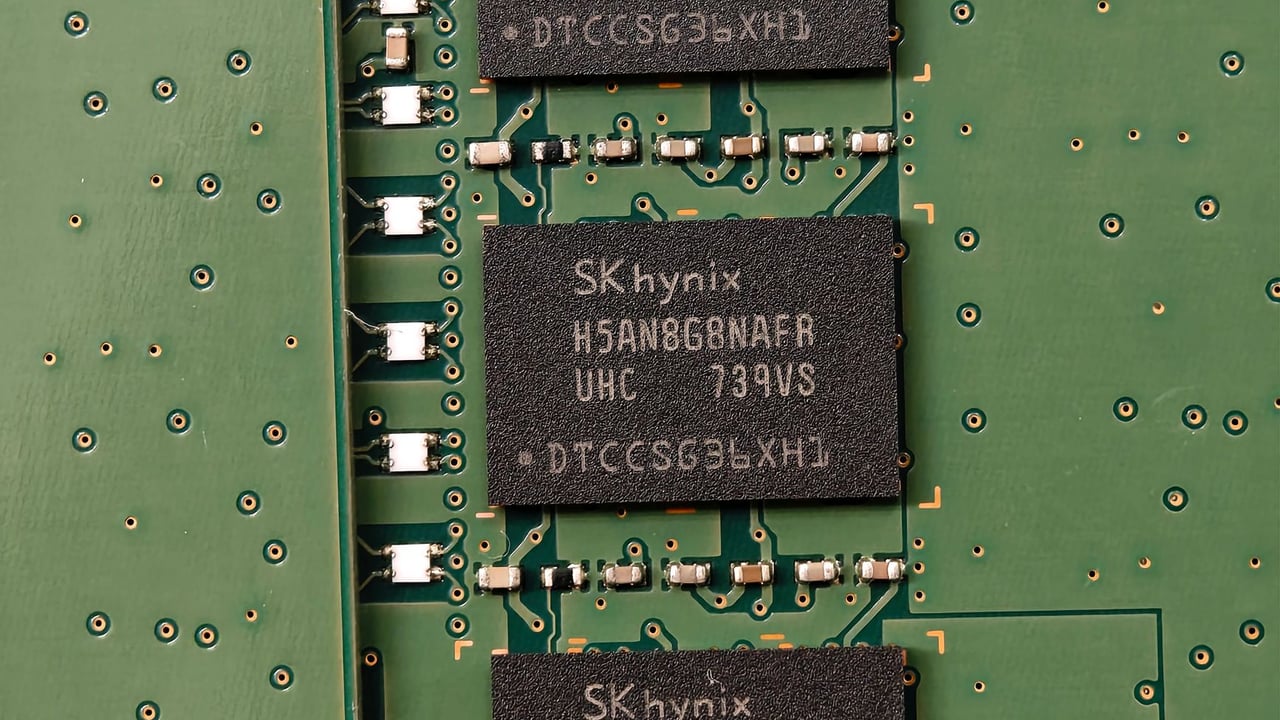

The June 2026 IPO approval of Changxin Technology (CXMT) represents more than just a windfall for its backers; it signals a fundamental shift in the DNA of Chinese urban development. As the DRAM manufacturer prepares for a public debut following a first quarter that saw revenues hit 50.8 billion RMB and profits reach 33 billion RMB, the city of Hefei stands as the primary architect of this success. With a 43.14% stake held by state-owned assets, the city's paper gains are estimated in the trillions, validating a high-stakes strategy often dubbed the 'Hefei Model.'
For decades, the engine of Chinese municipal growth was fueled by 'land capitalism.' Local governments relied on a predictable cycle of land requisition, infrastructure development, and property sales to fund budgets and drive GDP. However, as the real estate sector cooled and land demand plummeted, cities were forced to find a new source of value. Hefei’s success with Changxin suggests that the most valuable asset on a city’s balance sheet is no longer the land itself, but the density of its industrial chains and the technological 'thickness' of its resident enterprises.
This transformation from a land-dependent economy to one rooted in industrial capitalism was not accidental. In 2008, Hefei risked billions to back BOE Technology when the display maker was struggling, and in 2020, it threw a lifeline to NIO when the electric vehicle startup faced a terminal cash crunch. In 2016, it took an 80% stake in the early stages of Changxin, choosing to endure the long R&D cycles of the semiconductor industry while the private market remained hesitant. These were not mere gambles, but calculated moves within a state-organized ecosystem designed to bear early-stage risks that private capital often avoids.
Modern industrial development in sectors like semiconductors, aerospace, and robotics requires massive capital, long horizons, and intense upstream-downstream coordination. The 'Hefei Model' functions by leveraging state-owned platforms to build the foundational infrastructure and supply chain ecosystems that allow market competition to eventually take over. This shift means that the role of the local official has evolved from a simple administrator to an industrial architect, equipped with fund maps and supply chain diagrams rather than just tax incentive brochures.
However, this model is fraught with peril and is not easily replicated. For every Hefei success, there are cautionary tales like Neta Auto, where massive state investment across multiple cities led to bankruptcy and rusted assembly lines. The risk of 'herd behavior'—where dozens of cities chase the same few strategic sectors—threatens to create catastrophic overcapacity and debt. The true differentiator for the future will not be which city can spend the most, but which city possesses the industrial foresight to know when to invest and the discipline to know when to withdraw.