Pragmatism Over Pomp: The Rise of the ‘Legless’ Humanoid in China’s Service Economy

Chinese robotics firm Shadow Intelligence has launched the X1, a legless humanoid robot designed for the catering industry that prioritizes operational ROI over anatomical realism. The launch marks a strategic shift toward a 'Robot-as-a-Service' model, utilizing a unified operating system to manage diverse robotic forms across service environments.

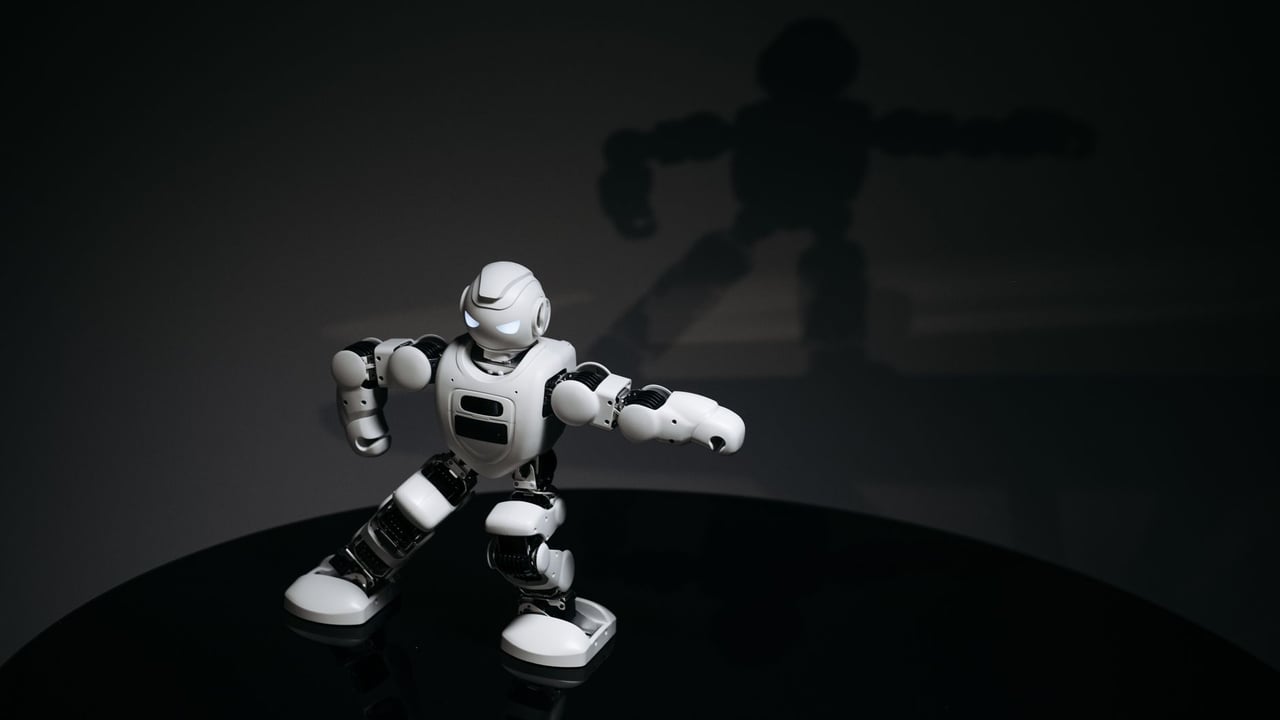
A futuristic white toy robot striking a pose in a dimly lit studio with a shadow cast behind it.

Key Takeaways

  • 1Xbot's X1 humanoid robot intentionally omits legs and facial features to reduce costs, ensure stability, and avoid the 'Uncanny Valley.'
  • 2The robot features high-precision dual 7-axis arms capable of complex tasks like bartending and interactive order fulfillment.
  • 3Shadow Intelligence is pivoting from selling hardware to offering a full 'catering operating system' (XOS) that manages different robot types with a single AI 'brain.'
  • 4The humanoid form is utilized specifically to enhance consumer engagement and provide emotional value that traditional vending kiosks lack.
  • 5The company has already deployed over 1,000 units globally, signaling a move toward scalable, standardized robotic service solutions.

Editor's
Desk

Strategic Analysis

Xbot’s move reflects a maturing phase in the Chinese robotics sector where the 'cool factor' of humanoid forms is being subordinated to the cold logic of Return on Investment (ROI). By stripping away the most expensive and least stable components of humanoids—the legs—Xbot is addressing the primary barrier to mass adoption: the high cost of hardware versus the low margin of service industries. This pragmatic 'half-humanoid' approach suggests that the first wave of profitable service robots will not be general-purpose assistants, but highly specialized, software-driven tools that fit into existing human workflows rather than replacing them entirely. The focus on XOS as a platform further indicates that the real value in the next decade of robotics will reside in the 'service infrastructure'—the ability to manage fleets and supply chains—rather than the physical machines themselves.

China Daily Brief Editorial
Strategic Insight
China Daily Brief

In a global robotics landscape currently obsessed with achieving bipedal fluidity and lifelike aesthetics, Shadow Intelligence (Xbot) is charting a decidedly more utilitarian course. The company recently unveiled its flagship humanoid dining robot, the X1, which intentionally lacks both a face and legs. While competitors like Tesla and Boston Dynamics race to perfect the human form, Xbot is betting that the future of service robotics lies in functional precision and operational stability rather than anatomical mimicry.

The X1 features dual seven-axis arms equipped with six-dimensional force sensors, allowing it to perform delicate tasks such as bartending, pouring drinks, and delivering food with millimeter-level accuracy. By replacing legs with a stable wheeled chassis, the robot avoids the catastrophic risks of falling during power failures or complex maneuvers. This design philosophy, according to CEO Tang Mu, is born of a desire to avoid the 'Uncanny Valley' effect and focus on the specific physical requirements of fixed-station catering environments.

Beyond the physical hardware, Xbot is signaling a profound shift in its commercial strategy. The company is transitioning from a traditional hardware vendor to a provider of comprehensive, 'copy-paste' catering management systems. This pivot is anchored by the launch of XOS, a robot operating system designed to unify perception, control, and interaction across various robotic forms. This 'one brain, many bodies' approach allows the company to deploy the same underlying intelligence to coffee-making arms, ice cream servers, and humanoid bartenders alike.

This evolution addresses a long-standing branding hurdle in the service sector. Previous iterations of catering robots—often just mechanical arms inside kiosks—were frequently dismissed by consumers as glorified vending machines. By adopting a humanoid torso and arms, Xbot aims to provide the 'emotional value' of interaction that traditional automation lacks. The goal is to integrate these units seamlessly into the ambiance of high-end bars and cafes, where the process of preparation is as much a part of the product as the beverage itself.

Share Article

Related Articles

📰
No related articles found