Challenging the 'Long Arm': Beijing Demands End to Unilateral Sanctions on Iran

China's Ministry of Foreign Affairs has reiterated its demand for the early removal of unilateral sanctions against Iran, calling them a violation of international norms. The move underscores Beijing's strategic commitment to Tehran and its effort to weaken U.S. financial hegemony.

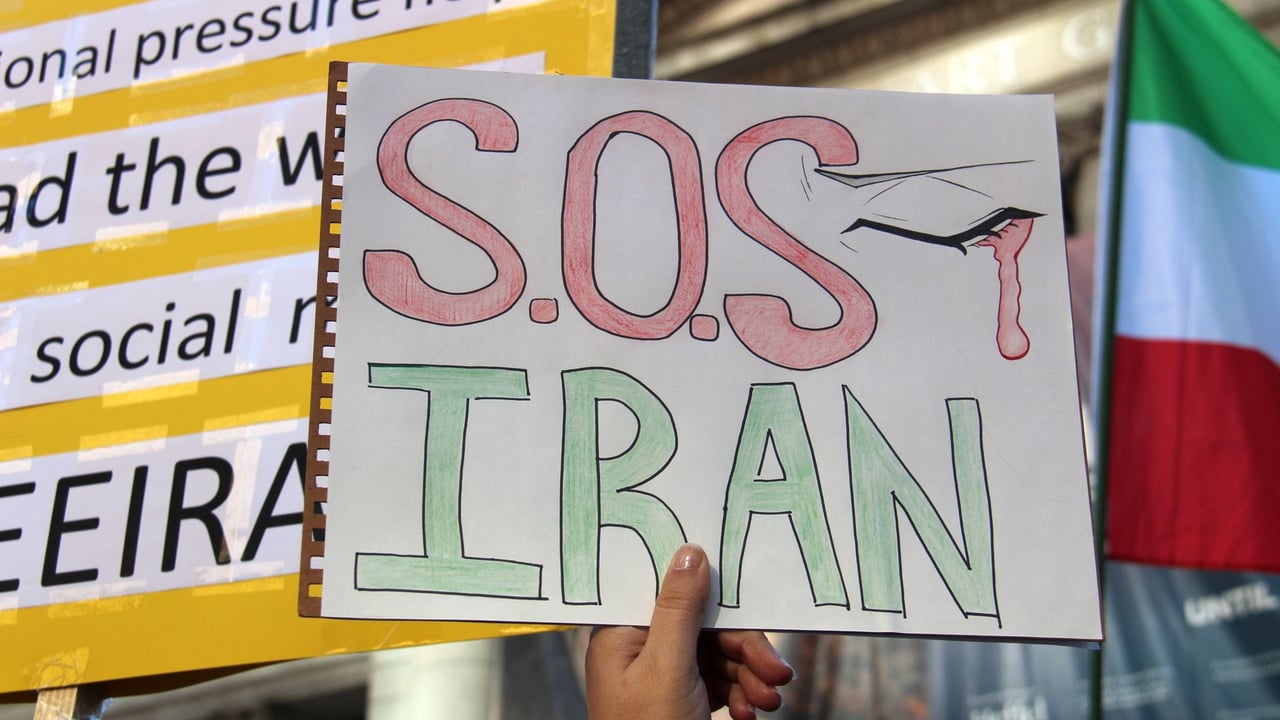
Protest sign reading SOS Iran during a demonstration in Vancouver, raising awareness for Iranian issues.

Key Takeaways

  • 1China's MFA officially advocates for the immediate lifting of all unilateral sanctions against Iran.
  • 2The stance is rooted in a challenge to U.S. 'long-arm jurisdiction' and the use of the dollar as a political tool.
  • 3Beijing emphasizes that these sanctions hinder legitimate international trade and regional stability.
  • 4The policy supports the ongoing 25-year China-Iran Comprehensive Strategic Partnership.
  • 5Energy security and the normalization of oil trade remain primary drivers for China's diplomatic pressure.

Editor's
Desk

Strategic Analysis

This persistent diplomatic pressure from Beijing signals the rise of an 'axis of sanction-resistance.' By championing Iran’s reintegration into the global economy, China is not just seeking cheaper oil; it is beta-testing a financial ecosystem that operates entirely outside the reach of the U.S. Treasury. For global investors and policymakers, the 'so-what' is clear: the era where a U.S. sanction could unilaterally cripple an economy is ending. Beijing is proving that it can provide a sufficient economic backstop to keep 'pariah' states afloat, thereby fundamentally altering the leverage of Western diplomacy in the Middle East.

China Daily Brief Editorial
Strategic Insight
China Daily Brief

Beijing has once again signaled its impatience with the Western-led economic isolation of Tehran, with the Ministry of Foreign Affairs calling for an immediate and total removal of unilateral sanctions. This demand is not merely a diplomatic courtesy to a regional partner; it represents a fundamental pillar of China’s broader strategy to undermine the efficacy of American financial leverage and what it terms 'long-arm jurisdiction.'

By framing these sanctions as violations of international law and sovereign rights, China positions itself as the architect of a 'multipolar' world order. The timing of this latest pronouncement coincides with deepening economic ties under the 25-year Comprehensive Strategic Partnership between the two nations, which spans critical sectors from infrastructure and telecommunications to sensitive energy cooperation.

For the global community, Beijing’s rhetoric serves as a sharp reminder that the Western sanctions regime is becoming increasingly porous. As China continues to facilitate trade through non-dollar-denominated routes and 'dark fleet' logistics, the practical impact of U.S. restrictions is diminishing. This trend suggests a future where traditional diplomatic pressure tools may become obsolete against states within China's economic orbit.

The persistence of this stance also reflects China's domestic priorities regarding energy security. With global markets remaining volatile, ensuring a stable and uninterrupted flow of Iranian crude is essential for China’s industrial stability. Consequently, the removal of shipping and financial restrictions is treated by Beijing as a matter of core national interest rather than a secondary foreign policy objective.

Share Article

Related Articles

📰
No related articles found