
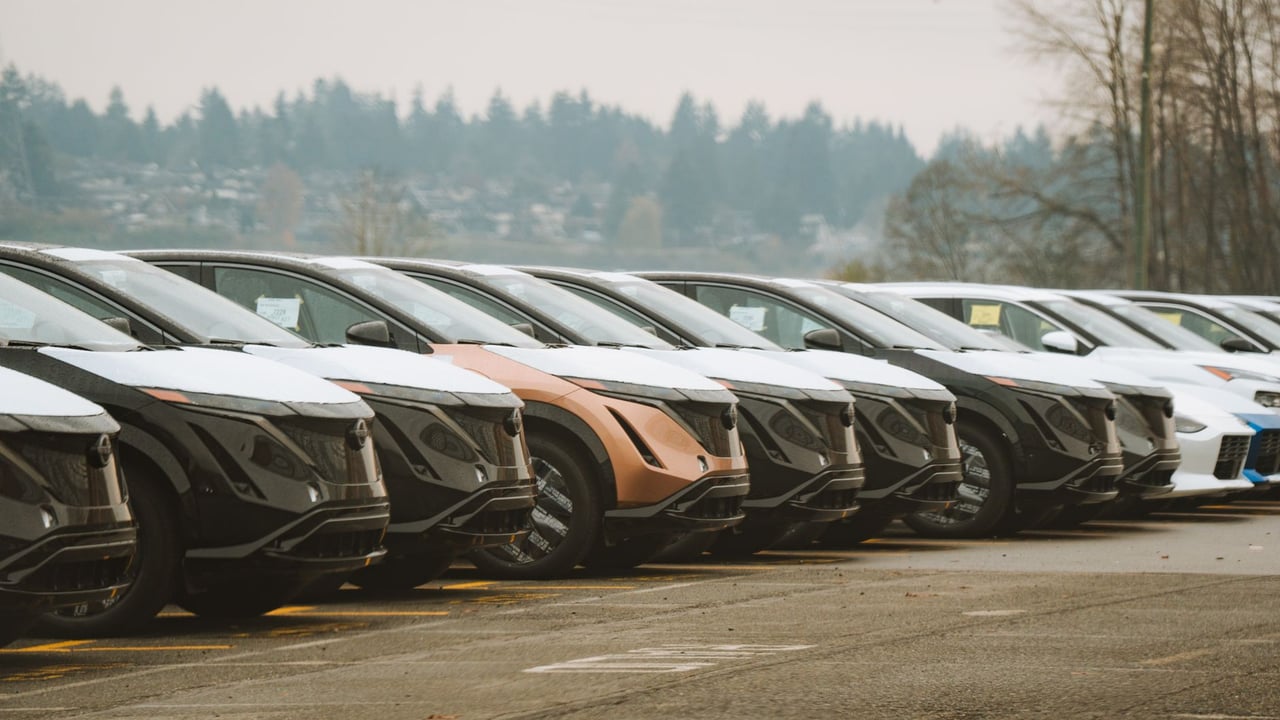

The global electric vehicle sector is on the precipice of a seismic shift, with the International Energy Agency projecting that EV sales will command nearly 30% of the global market by 2026. This trajectory, which would see annual sales hitting 23 million units, highlights a staggering acceleration from just five years ago when EVs represented a mere 5% of new car purchases. While European growth remains steady, emerging markets in Latin America and the non-China Asia-Pacific region are emerging as the new engines of electrification, with projected growth rates of 45% and 50% respectively.
However, this international optimism contrasts sharply with the immediate realities on the ground in China. The China Automobile Dealers Association recently reported that dealer inventory levels remain dangerously high, with the warning index sitting at 57.2%—well above the prosperity threshold. As the industry enters the traditional July 'off-season,' a combination of extreme weather, the withdrawal of mid-year promotions, and a bruising price war has left consumers in a 'wait-and-see' posture, stalling domestic momentum.
Market dynamics within China are also exhibiting a clear bifurcation. According to the China Passenger Car Association, the market is witnessing a 'passive upgrade' where low-end consumption is shrinking while demand for high-end, large-space SUVs remains robust in wealthy hubs like Shanghai and Guangdong. Interestingly, traditional hybrids are reclaiming ground as a pragmatic choice for consumers wary of pure battery constraints, outperforming plug-in hybrids in several key regions.
This transition is proving particularly painful for legacy Japanese automakers. Recent data shows a collective 2.6% decline in global sales for Japan’s top eight manufacturers, with stalwarts like Nissan and Toyota seeing significant contractions. As Chinese brands utilize their domestic scale to fuel an aggressive export strategy into the high-growth regions identified by the IEA, the pressure on traditional internal combustion engine champions to accelerate their electrification timelines has never been more acute.