

The Pacific waters near Guam recently served as a high-stakes proving ground for the future of maritime warfare during the 'Valiant Shield 2026' exercises. Between June 22 and July 1, American and Japanese forces executed a complex 'SINKEX' operation against the decommissioned USS Juno, a 10,000-ton amphibious transport dock. This exercise was not merely a display of firepower but a sophisticated demonstration of a new 'Joint Sea Control' doctrine designed to dominate the Indo-Pacific.
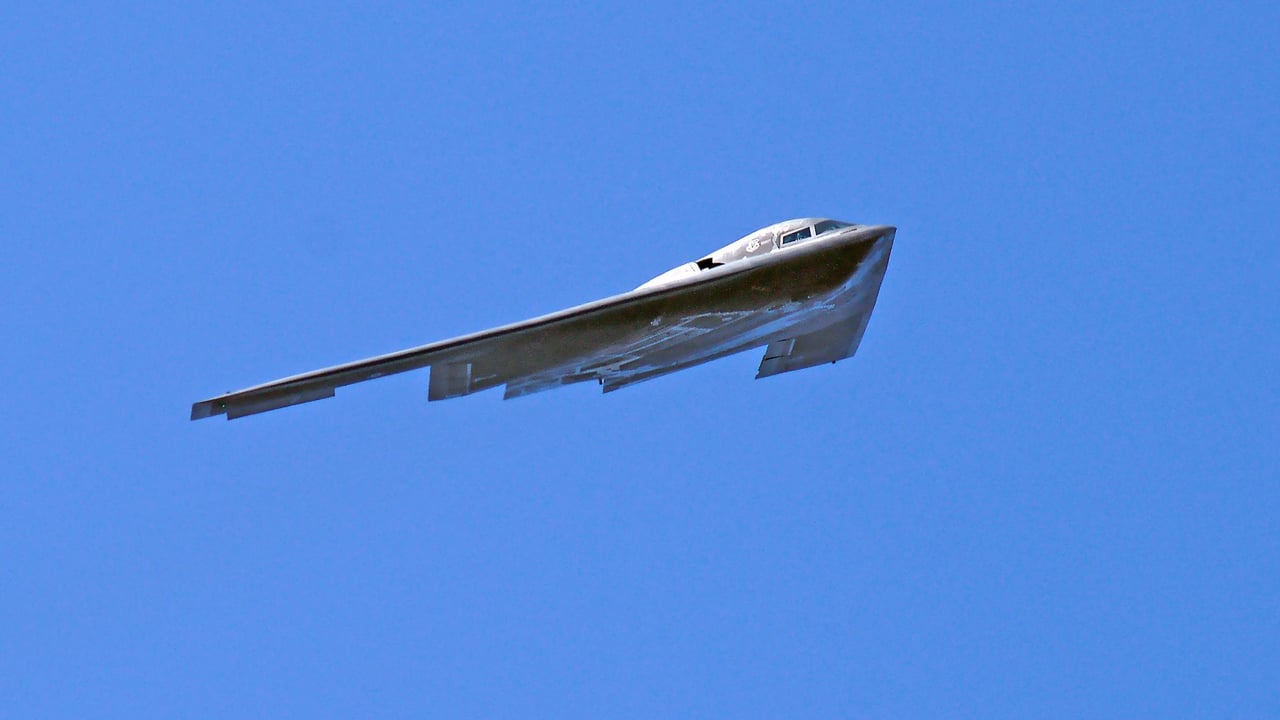
The operation featured a notable first for the U.S. Air Force: the deployment of B-2A Spirit stealth bombers to launch AGM-158C Long Range Anti-Ship Missiles (LRASM) against a maritime target. Historically, the B-1B Lancer has been the primary aerial platform for such strikes. By integrating the B-2A, the U.S. is signaling a shift toward ultra-stealthy maritime interdiction, allowing for the undetected pursuit of high-value enemy assets in contested environments.
Following the initial aerial bombardment, the final, decisive blow was delivered by the Japan Maritime Self-Defense Force (JMSDF). The Jingei, a cutting-edge Taigei-class submarine powered by lithium-ion batteries, launched heavy torpedoes to send the Juno to the ocean floor. This 'closer-look' tactical approach ensures that if long-range missiles fail to sink a target, Japan’s elite underwater fleet is prepared to finish the job with surgical precision.
The choice of the name 'Juno' carries heavy historical baggage that resonates across the Pacific. In 1942, during the Battle of Guadalcanal, an earlier USS Juno was sunk by a Japanese submarine, leading to the tragic loss of the five Sullivan brothers. For regional observers, the sight of a Japanese submarine once again sinking a ship named Juno—this time as an ally—is a potent symbol of Japan’s evolving security posture and the deepening integration of the two nations' militaries.