
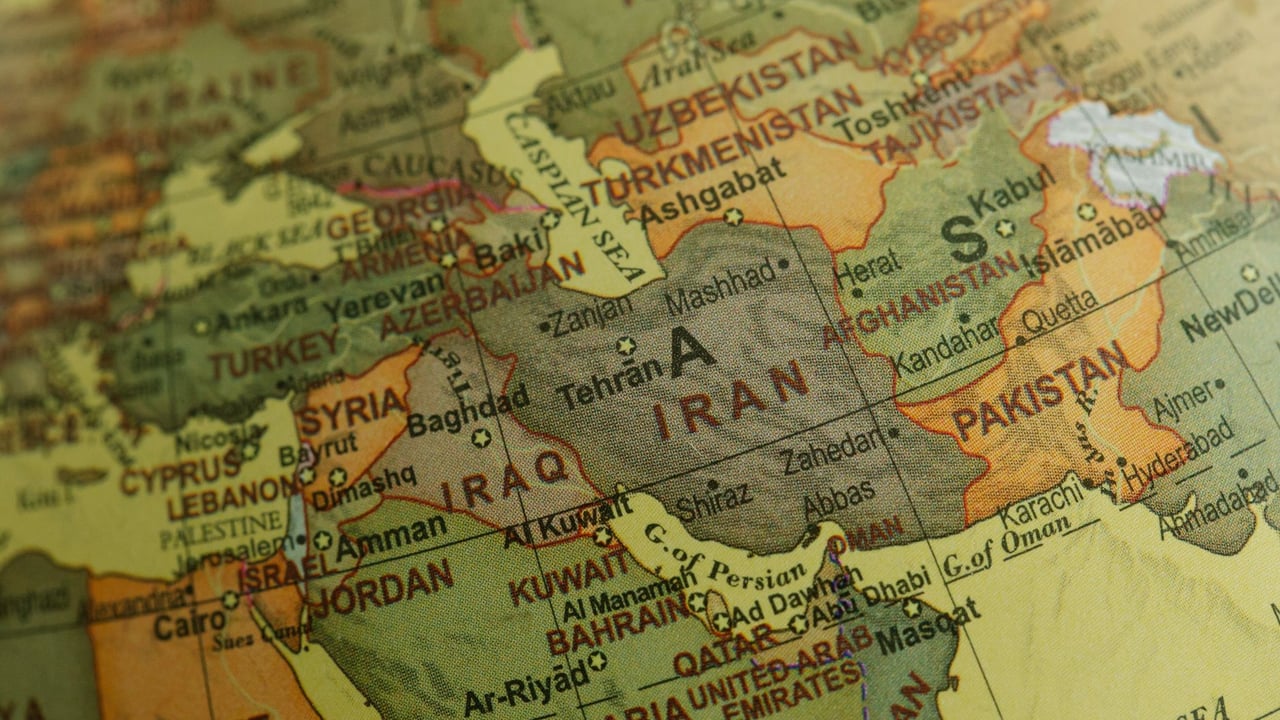

The Biden administration appears to be making a high-stakes pivot in its Middle East strategy by preparing to deploy ground forces to monitor a fragile ceasefire between Israel and Lebanon. According to reports citing the Washington Post, these American troops will be tasked with directly supervising the movements of the Israel Defense Forces and the Lebanese Armed Forces. This move marks a significant departure from traditional mediation, placing U.S. personnel as a physical buffer in one of the world's most volatile regions.
Central to this deployment is the objective of applying 'necessary pressure' on both Jerusalem and Beirut to ensure compliance with a recently negotiated trilateral framework. While U.S. Central Command (CENTCOM) officials, under the guidance of figures like General Brad Cooper, will not exercise direct command over local forces, they will serve as the primary investigators for violations. Any breach of the agreement is expected to be reported directly to the White House for immediate diplomatic or political escalation.
The deployment comes at a moment of extreme diplomatic fragility following a four-day marathon of negotiations in Washington that concluded on June 26. Despite the announcement of a trilateral framework, the ink was barely dry before Israel launched fresh military strikes across Lebanon on June 28. This immediate return to hostilities has cast a long shadow over the feasibility of the U.S.-led monitoring mission and raised questions about the commitment of the primary combatants.
Internal Lebanese politics present a secondary, perhaps more insurmountable, hurdle to the American plan. Lebanese Parliament Speaker Nabih Berri has already signaled that the legislature will not ratify the framework agreement in its current form, arguing it fails to safeguard Lebanese sovereignty and rights. Without legislative backing in Beirut, the presence of U.S. troops could be viewed as an unwanted foreign intervention rather than a peacekeeping necessity.
The historical context of U.S.-Israel military proximity also looms large over this decision, with observers recalling past 'accidental' engagements between the two allies. By placing American boots on the ground, Washington is effectively creating a 'tripwire' force. This strategy aims to deter aggression through the risk of involving the U.S. directly, but it simultaneously exposes American personnel to the chaos of a conflict that has proven resistant to traditional diplomatic resolution.