Brinkmanship in the Gulf: Iran Signals Red Lines Over Ceasefire and Hormuz

Iran's Acting Defense Minister has warned of an immediate military response to any ceasefire violations while reiterating calls for the removal of foreign military forces from the Strait of Hormuz. The statements, made during a call with Qatari officials, emphasize Tehran's intent to enforce its own security parameters in the region without external interference.

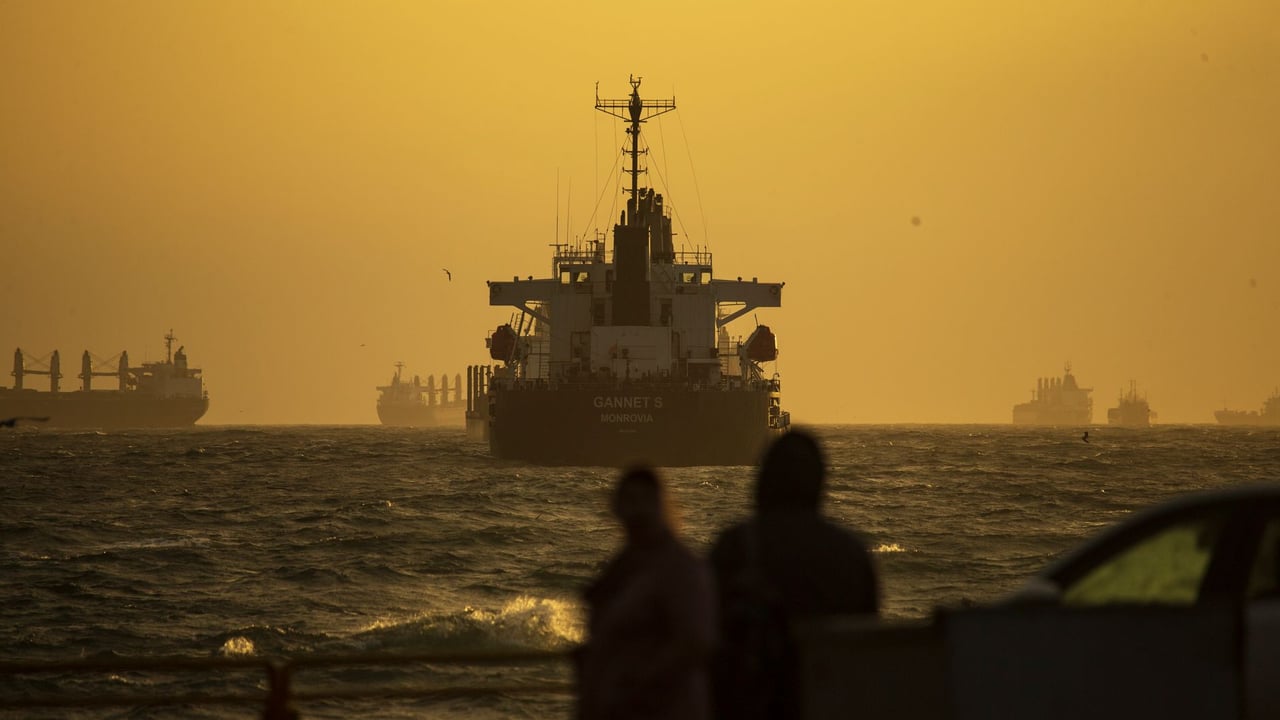
Silhouetted ships navigate the Bosporus Strait at sunset, creating a dramatic scene in Istanbul.

Key Takeaways

  • 1Acting Defense Minister Ibn Reza warned that Iran will respond 'without hesitation' to any violation of existing ceasefire agreements.
  • 2Tehran maintains that the Strait of Hormuz should remain free of intervention from 'extra-regional' powers, specifically targeting Western naval presence.
  • 3The Iranian leadership argues that foreign military involvement increases the risk of miscalculation and regional instability.
  • 4The diplomatic exchange with Qatar serves as a strategic signal to both regional neighbors and the international community regarding Iran's red lines.

Editor's
Desk

Strategic Analysis

Tehran’s latest rhetoric is a classic exercise in 'defensive expansionism,' where it frames its potential for aggression as a necessary reaction to foreign encroachment. By asserting that it will monitor the ceasefire 'closely,' Iran is positioning itself as the regional policeman, effectively claiming the right to judge and punish the actions of its neighbors. The emphasis on the Strait of Hormuz serves as a reminder to the global economy that Iran holds the 'oil trigger,' especially as it seeks to leverage its position in ongoing negotiations with Western powers. Ultimately, this narrative is designed to pressure the U.S. and its allies to reduce their footprint in the Persian Gulf, wagering that the risk of a renewed conflict will outweigh the benefits of a continued military presence.

China Daily Brief Editorial
Strategic Insight
China Daily Brief

As the Middle East navigates a fragile security environment, Iran has signaled that its patience regarding recent regional settlements is not infinite. Acting Defense Minister Ibn Reza warned this week that Tehran will monitor the implementation of ceasefire agreements with high scrutiny, stating that any perceived breaches would trigger an immediate and 'unhesitating' military response. This rhetoric, delivered during a high-level diplomatic call with Qatari leadership, underscores the precarious nature of the current peace and Tehran’s desire to maintain a dominant deterrent posture.

The timing of these statements suggests a calculated effort to project strength during a period of transition or vulnerability. By framing potential military action as 'appropriate and necessary,' Reza is seeking to establish a clear escalatory ladder that penalizes any shifts in the status quo by regional or international adversaries. This stance places the burden of peace on opposing forces while asserting Iran’s role as the primary arbiter of regional stability.

Central to this strategic messaging is the perennial issue of the Strait of Hormuz, the world’s most critical energy chokepoint. Reza reiterated Tehran’s long-standing doctrine that the waterway must not serve as a platform for 'extra-regional' intervention. By explicitly linking the ceasefire's success to the exclusion of foreign naval powers, Iran is attempting to decouple regional security from Western influence, particularly that of the United States.

Iran’s choice of Qatar as a diplomatic conduit is equally telling. As a nation that frequently bridges the gap between the Islamic Republic and Western interests, Qatar serves as a megaphone for Iranian warnings intended for a global audience. The emphasis on 'miscalculation' and 'distrust' caused by foreign military presence reflects a broader Iranian strategy to frame Western involvement as the root cause of regional insecurity, rather than a solution to it.

Share Article

Related Articles

📰
No related articles found