
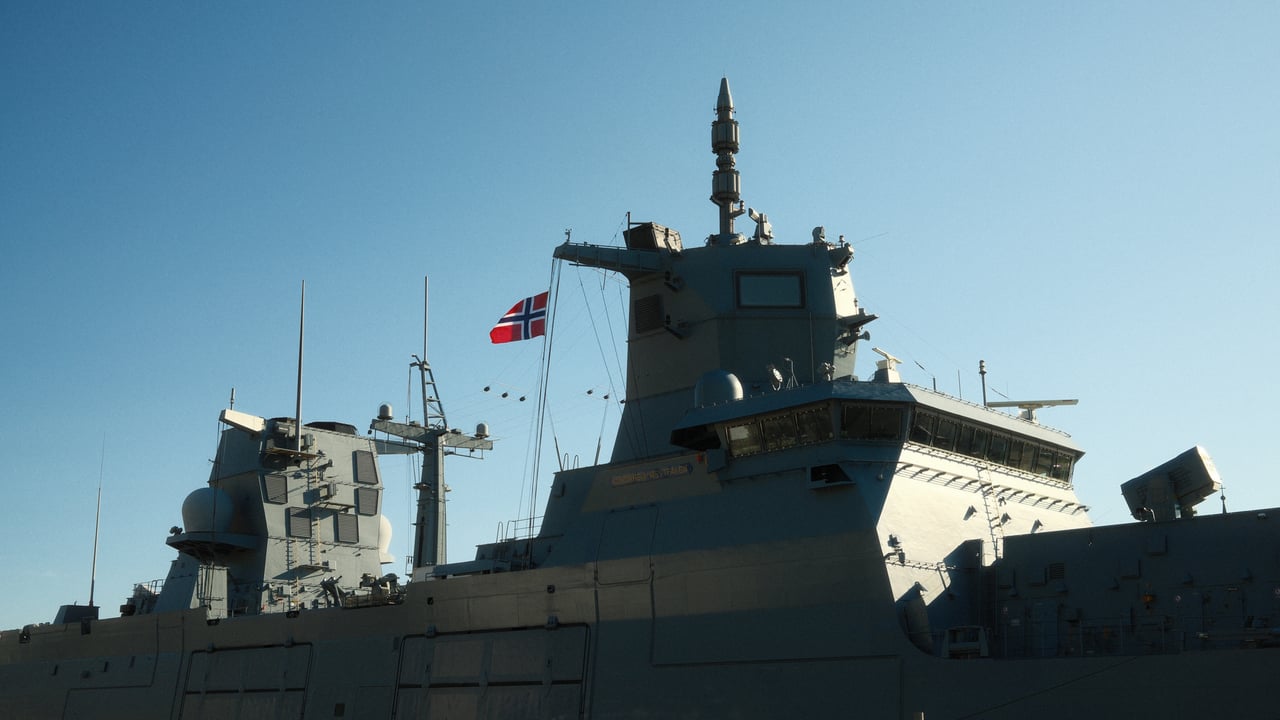

The Royal Navy is reportedly at a strategic crossroads, facing a decision that could redefine British maritime power for the mid-21st century. According to recent reports, the Ministry of Defence plans to abandon the ambitious Type 83 air-defense destroyer program. This flagship project, once envisioned as the successor to the Type 45, was intended to provide a high-end shield for the UK’s carrier strike groups against sophisticated aerial threats.
In a radical shift of doctrine, London is pivoting toward a fleet of six 'General Purpose Combat Ships' with a significantly lower price tag. These vessels are conceptualized not as traditional heavy combatants, but as maritime command hubs for autonomous systems. The plan prioritizes the deployment of uncrewed aerial vehicles (UAVs) and uncrewed surface vessels (USVs), reflecting a belief that the future of naval engagement lies in distributed, low-cost swarms rather than a few 'exquisite' and expensive platforms.
This pivot has ignited a fierce debate within the UK's defense establishment, with some critics labeling the move a 'costly gamble.' Proponents of the shift argue that the lessons from recent conflicts, particularly in the Black Sea and the Red Sea, demonstrate the vulnerability of large surface ships to cheap, asymmetric drone attacks. They contend that the Royal Navy must adapt to this new reality by emphasizing volume and technological agility over traditional hull strength.
However, the cancellation of the Type 83 leaves a glaring question regarding the protection of the UK’s Queen Elizabeth-class aircraft carriers. Without the high-intensity radar and missile capacity promised by the Type 83, the fleet may find itself under-equipped to face peer-state adversaries in contested waters. This decision appears to be driven as much by the harsh mathematics of a constrained defense budget as by a change in tactical philosophy.